


Executive Dinner Planning That Builds Real Trust
- Jason Baker
- 2 days ago
- 5 min read
The most valuable moment at an executive dinner is rarely the first handshake or the final toast. It is the point when the room relaxes, the conversation becomes candid, and guests feel they can speak openly. Thoughtful executive dinner planning creates the conditions for that moment, balancing polished hospitality with enough ease for genuine connection.
For a client dinner, leadership retreat, board gathering, or investor conversation, the food is part of the message. It signals care, judgment, and respect for everyone at the table. The goal is not to overwhelm guests with formality. It is to create an experience that feels considered from the first arrival through the last course, while allowing the host to remain fully present.
Start Executive Dinner Planning With the Conversation
Before choosing a menu or setting, clarify what the dinner needs to accomplish. A small dinner designed to welcome a prospective client calls for a different rhythm than a working session between senior leaders. One may benefit from a more celebratory atmosphere and a relaxed progression of courses. The other may require a quieter room, a tighter schedule, and service timed around a specific agenda.
Guest count matters, but so does the mix of people at the table. Consider who knows one another, who needs an introduction, and whether there are competing priorities or sensitive business discussions. A table of eight often encourages one shared conversation. At 14 or more, natural clusters develop, which can be ideal for relationship-building but less useful when a single decision needs to be discussed together.
The best setting supports the purpose without competing with it. An elegant home, private residence, office, or carefully prepared event space can feel more personal than a busy restaurant, particularly when discretion matters. It also gives the host greater control over sound, seating, timing, and the overall guest experience.
Set the Right Pace for the Evening
Executive dinners should feel unhurried, not unstructured. Guests need time to arrive, settle in, and enjoy a welcome beverage before the first course. Rushing directly to the table can make the evening feel transactional. Leaving too much open time, however, can create a lag that drains energy from the room.
For most gatherings, a reception window of 30 to 45 minutes gives guests room to connect before dinner begins. Passed bites or a composed first course can keep the opening polished without requiring everyone to stand with a plate in hand. From there, courses should arrive at a pace that allows conversation to develop naturally.
A multi-course dinner is often the right choice when the objective is relationship-building and the guest list is intimate. Each course provides a natural reset in the conversation. For a gathering with a firm end time, a refined three-course menu may be more effective than a longer tasting format. The right choice depends on whether time together or culinary discovery is the evening’s greater priority.
Build in space for the business purpose
If remarks, a presentation, or a toast are part of the evening, decide in advance when they belong. The most effective moments are usually brief and placed between courses, when guests are attentive and service can pause without disruption. A long presentation at the dinner table can shift the mood from hospitality to meeting room.
Keep the host’s role in mind as well. If the host is also leading the business conversation, professional service becomes especially valuable. There is a meaningful difference between welcoming a key guest and checking whether the entrée is ready. When the details are handled by an experienced team, the host can focus on the people in the room.
Design a Menu With Range and Restraint
A strong executive dinner menu should feel distinctive, seasonal, and easy to enjoy. It should also account for dietary needs without turning the table into a negotiation. Collect preferences and restrictions when invitations are accepted, then design the menu so every guest receives a complete, intentional experience.
Rather than creating entirely separate meals for individual guests, look for menu structures that offer flexibility from the start. A bright seasonal vegetable course, for example, can stand confidently on its own or accompany a protein course. A seafood-forward menu may suit a coastal setting beautifully, but it should include a thoughtful alternative for guests who do not eat fish.
Modern coastal cuisine is particularly well suited to executive entertaining because it can feel refined without becoming heavy. French technique brings precision to the plate, while Mediterranean and Asian influences introduce brightness, texture, and depth. Think local seafood with citrus and herb notes, a carefully prepared beef course with seasonal vegetables, or a composed dessert that closes the meal cleanly rather than leaving guests overly full.
The menu should be memorable, but it should not become the evening’s obstacle. Extremely messy dishes, intensely spicy preparations, or unfamiliar ingredients that demand explanation may be appropriate for a culinary-focused celebration. For a business dinner, they can distract from the conversation. The best food invites interest, then lets guests return their attention to one another.
Service Is Part of the Strategy
Fine dining service has an understated power. Guests may not describe every service detail afterward, but they notice when glasses are refreshed at the right moment, dietary accommodations are handled gracefully, and courses arrive without interrupting an important exchange.
For executive dinner planning, service should be warm, quiet, and alert to the room. The team should know the schedule, seating plan, menu notes, and any planned remarks before guests arrive. They should also understand when to step back. A private conversation does not need an audience, and a well-trained service team recognizes that discretion is a form of hospitality.
Beverage planning deserves the same care as the menu. A concise wine selection, thoughtful nonalcoholic pairings, and a quality welcome option give guests choices without creating decision fatigue. If alcohol is being served, make sure there is an equally appealing zero-proof alternative. It reflects consideration, and it ensures no guest feels like an afterthought.
Get the Details Right Before Guests Arrive
The final layer of planning is what guests may never see: lighting, table spacing, music level, kitchen access, and the transition from arrival to dinner. These details shape how comfortable the room feels.
Warm lighting flatters both food and guests, while a crowded table can make even a beautiful setting feel restrictive. If business conversation is central, choose chairs that are comfortable enough for a long meal and keep centerpieces low so sightlines remain open. Music should set a tone, not ask guests to speak over it.
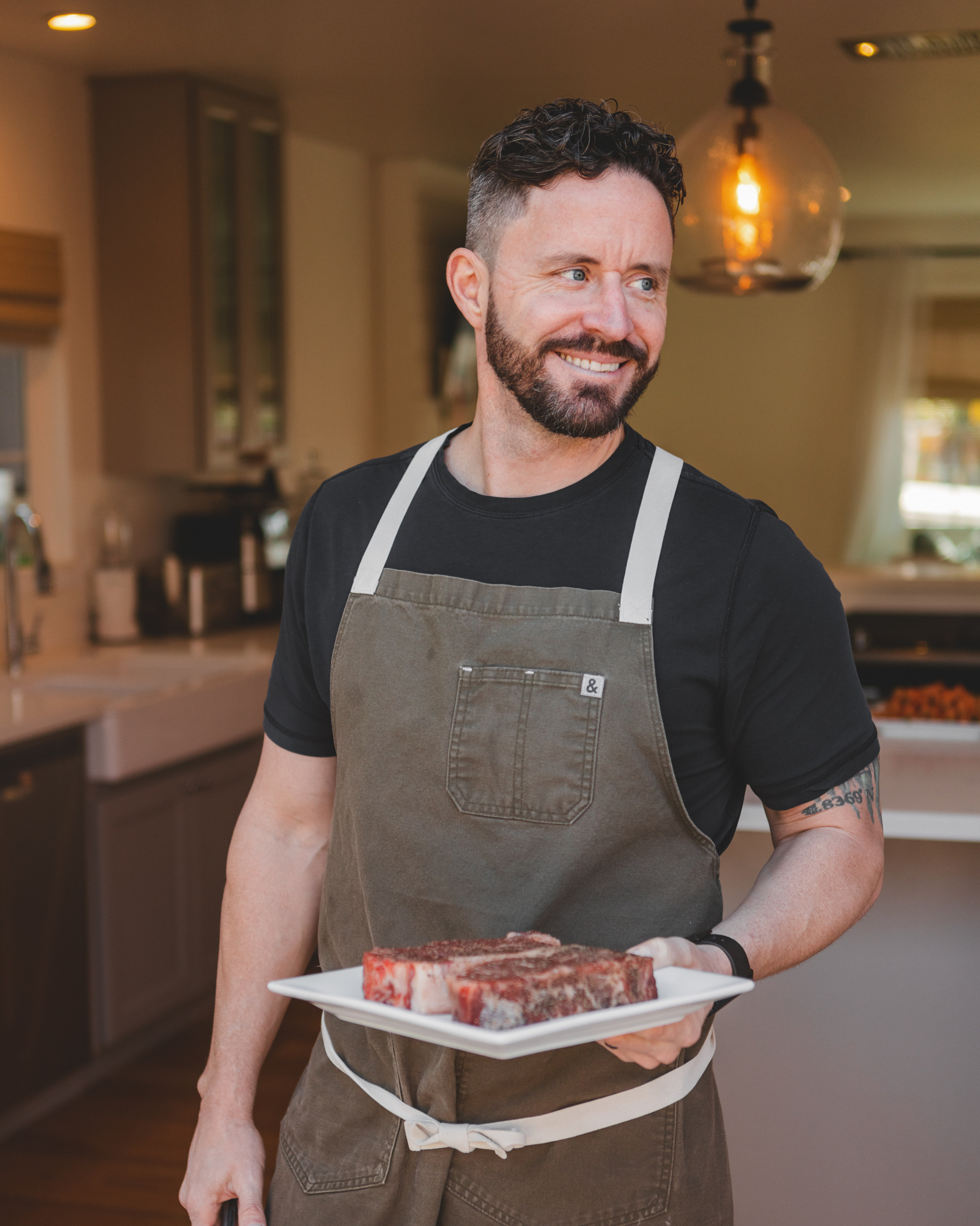
At-home and on-site dinners also benefit from an advance walk-through. A chef-led team can assess the kitchen, service flow, equipment, and dining layout before the event, then adapt the plan to the space. This is where a private dining experience can surpass a restaurant reservation: the evening is built around the host’s priorities, not a venue’s standard format.
Flavor Affinity approaches these gatherings as more than catered meals. The experience is designed around the people at the table, the occasion, and the level of attention the host wants to give each guest. That may mean an intimate coastal-inspired dinner in a private home or a polished executive gathering on-site with full-service support.
A well-planned executive dinner gives people a reason to stay at the table a little longer. Choose a setting that lets them speak freely, a menu that makes them feel cared for, and service that quietly keeps everything in motion. The conversation will do the rest.


Comments