


Corporate Hospitality Food Trends That Impress
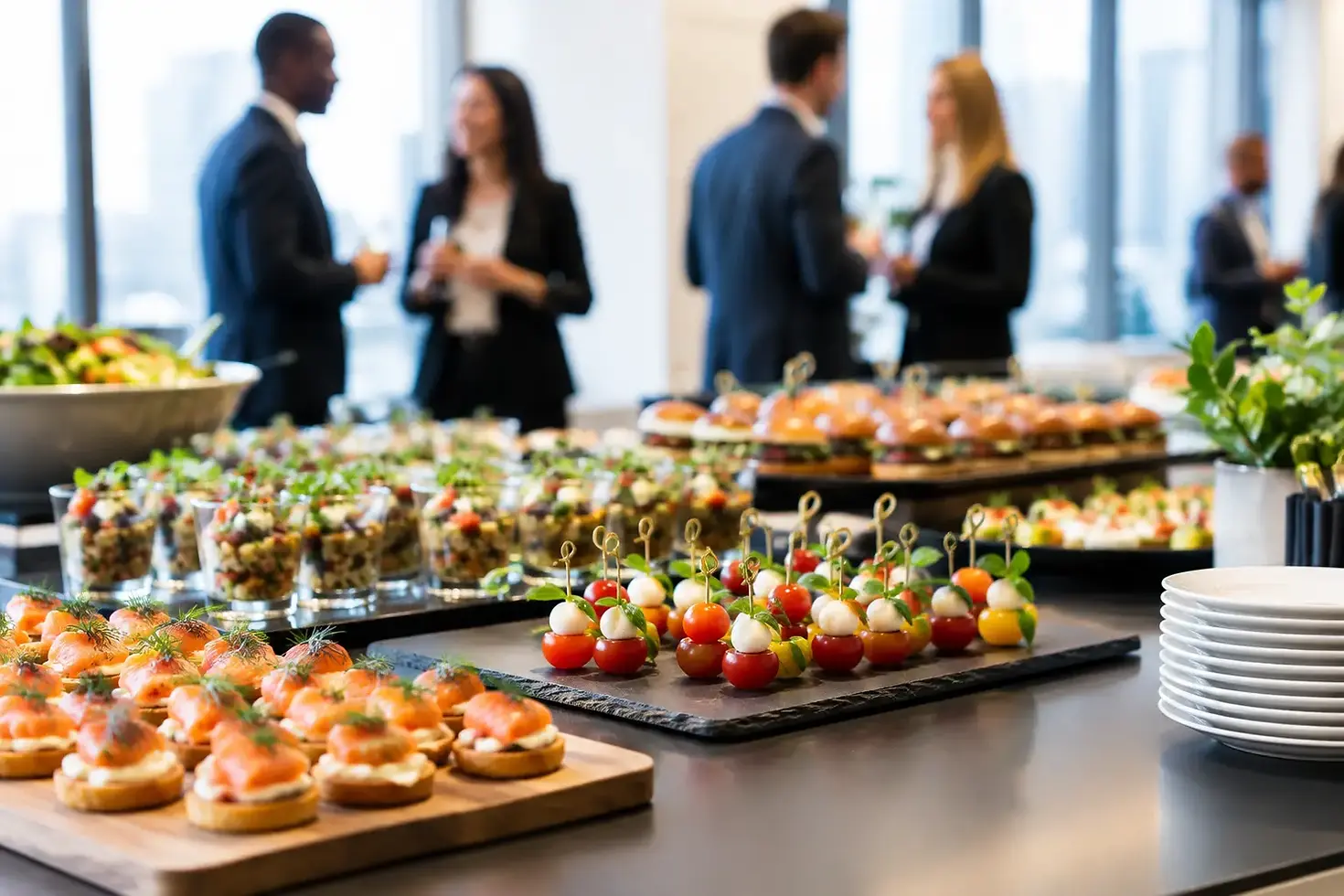
A plated lunch can fill a calendar block. A well-designed corporate meal can change the energy of the room. The most meaningful corporate hospitality food trends are moving away from generic catering and toward experiences that make clients feel considered, teams feel valued, and hosts feel entirely at ease.
For executive meetings, coastal off-sites, product launches, and client-facing gatherings, food is no longer an afterthought between presentations. It is part of the message. The menu, service style, pacing, and setting all communicate the level of care behind the event.
Corporate Hospitality Food Trends Are More Personal
The era of one fixed menu for every attendee is fading. Companies are looking for food that reflects the people in the room, the purpose of the gathering, and the character of the host. That might mean a refined seated dinner for a visiting leadership team, a Mediterranean-inspired lunch for a creative planning session, or an elegant reception with passed bites before an evening presentation.
Customization does not mean adding a long list of options. In fact, too much choice can slow service and make an event feel less polished. The better approach is a focused menu with clear intention: seasonal ingredients, a cohesive culinary point of view, and thoughtful accommodations built in from the start.
For example, a menu may pair citrus-cured local fish with an optional roasted vegetable preparation, followed by an herb-forward entrée that feels satisfying without becoming heavy. When dietary needs are considered as part of the menu design rather than handled as an exception, every guest receives a dish that feels equally special.
Seasonal, Local, and Recognizably Fresh
Guests increasingly notice whether food feels connected to a place. In North County San Diego, that can mean pristine seafood, peak-season produce, California citrus, farmers market herbs, and menus that lean into the clean brightness of coastal cuisine.
This does not require turning every event into a lesson on sourcing. It simply means serving food with flavor, color, and a sense of season. A spring lunch might feature grilled market vegetables, tender greens, and bright vinaigrettes. A fall client dinner may call for slow-roasted proteins, wild mushrooms, and a composed dessert with warm spice and local fruit.
Seasonality also gives corporate hosts a practical advantage. Ingredients at their peak tend to taste better, photograph beautifully, and create a menu that feels timely rather than interchangeable. The result is a more memorable experience without relying on novelty for novelty's sake.
The Rise of Interactive, Chef-Led Service
One of the strongest corporate hospitality food trends is the shift toward carefully managed interaction. Guests want a sense of occasion, especially when a company is bringing people together in a private home, office, showroom, or distinctive off-site venue.
Live chef stations, finishing touches at the table, and composed passed appetizers can create that moment. Picture a chef carving a beautifully prepared entrée, assembling warm hand rolls to order, or finishing a seasonal risotto with shaved Parmesan and fresh herbs. These details provide visual interest and conversation without requiring a loud or overly theatrical production.
The key is restraint. A live station works well for a reception, an open-house format, or an event designed for mingling. It may be less appropriate for a high-stakes board meeting where guests need to stay focused and move through a tight agenda. Great hospitality recognizes the difference.
Chef-led service also gives guests a more direct connection to the food. A brief explanation of a dish, a thoughtful recommendation, or a confident answer about ingredients makes the experience feel personal. It brings the warmth of a fine restaurant into the setting the client has chosen.
Lighter Menus With Real Satisfaction
Corporate dining has become more mindful, but guests are not looking to be served food that feels restrictive. The preference is for balanced menus with clean flavors, satisfying proteins, vibrant vegetables, and enough depth to carry an afternoon or evening of conversation.
Mediterranean and Asian influences continue to shape this direction because they bring acidity, texture, herbs, and spice to the table. Think miso-glazed black cod with seasonal greens, grilled chicken with preserved lemon and herbs, or a vegetable-forward grain dish with toasted nuts, creamy feta, and a lively citrus dressing.
The goal is not to label a menu as healthy and leave it there. It is to create food that makes guests feel good after they eat it. That matters when attendees are returning to work, giving a presentation, traveling home, or continuing an evening with clients.
Portioning matters, too. A multi-course dinner can feel gracious and abundant without being overly rich. For daytime events, composed plates and thoughtfully scaled buffets often keep the room energized better than a heavy meal that sends everyone searching for coffee.
Zero-Proof Pairings Are Part of the Occasion
Alcohol still has a place at many corporate events, particularly client dinners and celebrations. Yet sophisticated zero-proof choices are now an expected part of the beverage program, not a consolation prize.
A well-made nonalcoholic spritz, house-infused citrus tonic, sparkling tea, or herbaceous seasonal cooler gives every guest something celebratory in hand. It also supports a broader range of preferences without putting anyone in the position of explaining their choice.
The best pairings complement the menu rather than imitate a cocktail without purpose. Bright, sparkling drinks work beautifully with raw or lightly cured seafood. A tea-based beverage can bring structure to richer entrées. Fresh ginger, cucumber, basil, and citrus add complexity while keeping the experience refreshing.
For hosts, this is a simple way to signal thoughtful inclusion. It is also a smart choice for daytime meetings, wellness-minded teams, and events where guests may be driving or working afterward.
Hospitality That Fits the Agenda
A beautiful menu can still miss the mark if the service rhythm does not support the event. Corporate hosts are paying closer attention to how food functions within the schedule.
For a working lunch, service should be quiet, prompt, and easy to enjoy while conversation continues. For a client reception, the food should be elegant enough to create an impression but substantial enough that guests do not leave hungry. For an executive dinner, courses should arrive with a natural pace that gives everyone time to connect.
This is where full-service catering makes a meaningful difference. A professional culinary team handles the details that can distract a host: setup, timing, replenishment, clearing, and restoring the space afterward. The host stays present with colleagues and guests instead of monitoring serving utensils or wondering when the next course will arrive.
At Flavor Affinity, that approach begins with the occasion itself. The menu is shaped around the setting, the guest list, and the atmosphere the host wants to create, whether that is polished and formal or relaxed and conversational.
Sustainability Without the Performance
Sustainability remains relevant, but the most convincing version is practical rather than promotional. Hosts and guests appreciate sensible decisions: seasonal purchasing, menus designed to reduce unnecessary waste, reusable serviceware where appropriate, and portions planned with the actual event format in mind.
The trade-off is that sustainability should never compromise hospitality. A client dinner still deserves generous presentation, beautiful plating, and food served at the right temperature. Thoughtful planning can support both goals. A chef who understands the guest count, venue limitations, and service style can prevent overproduction while maintaining a feeling of abundance.
There is also growing interest in menus that use vegetables with more imagination. This does not mean every corporate event needs to be plant-based. It means vegetables can be treated as a centerpiece, not merely a side dish, giving all guests more variety and making the menu feel current.
Choosing the Right Trend for Your Event
Not every trend belongs at every gathering. A full tasting menu may be perfect for an intimate executive dinner but impractical for a fast-moving networking event. A live station can energize a team celebration, while individually plated courses may better suit a confidential leadership meeting.
The strongest corporate hospitality is less about following what is popular and more about matching food to the moment. Consider the time of day, the event objective, the guest mix, the venue, and how much interaction feels natural. From there, a chef can create a menu that feels distinct without pulling focus from the reason everyone came together.
When the food feels effortless, guests remember the conversation, the welcome, and the confidence of a host who made every detail feel considered. That is a far better impression than any trend on its own.


Comments