


Corporate Retreat Catering That Brings Teams Together
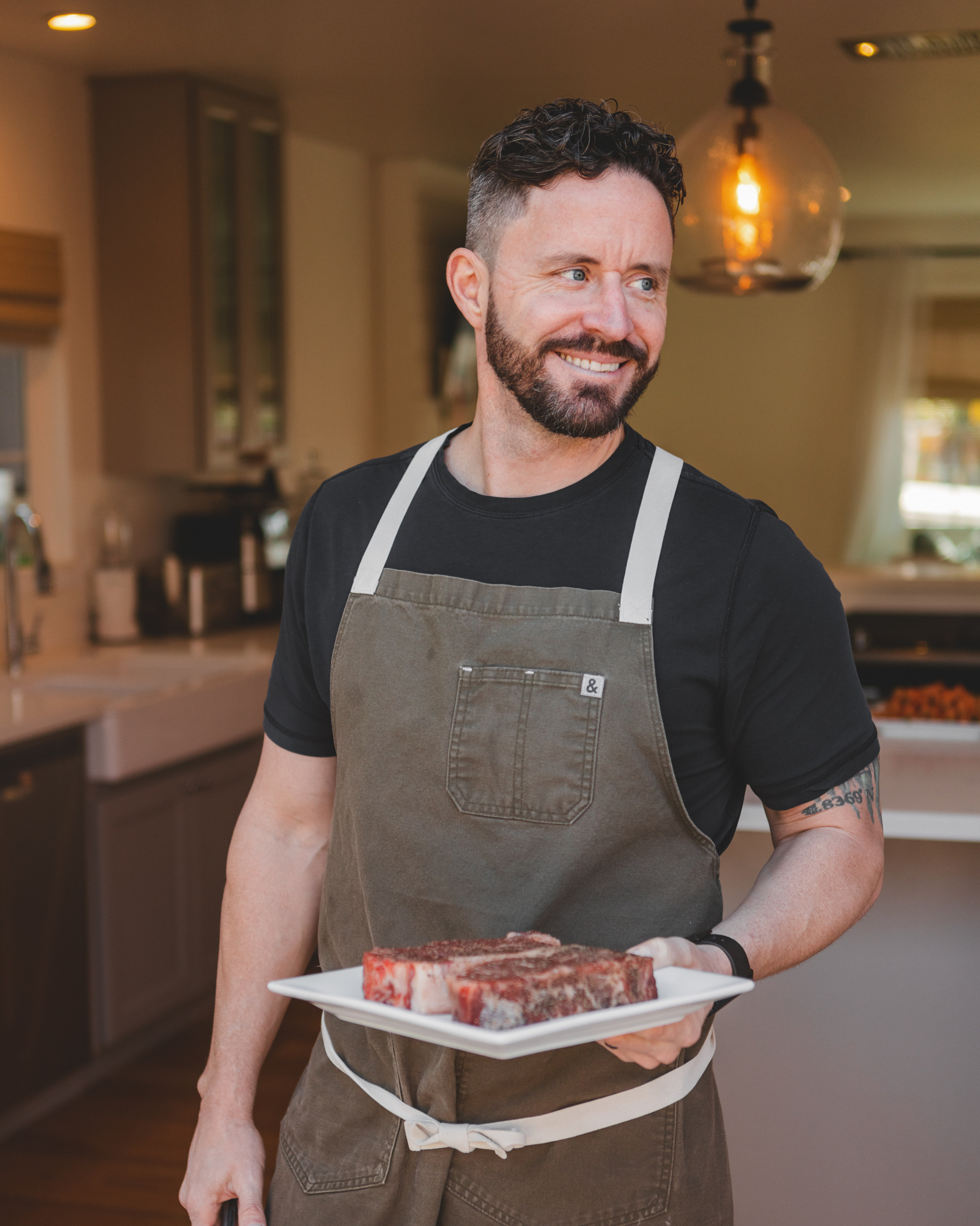
A retreat agenda can be perfectly planned and still lose momentum at lunch. When guests are waiting in a line, searching for a table, or settling for an uninspired boxed meal, the room shifts from connected to transactional. Thoughtful corporate retreat catering gives a team something far more valuable than food: a well-paced, welcoming moment to recharge, talk freely, and feel genuinely looked after.
For executive off-sites, team celebrations, planning sessions, and client-facing gatherings, the meal is part of the experience. It should reflect the care behind the event without demanding the host's attention. That is where chef-led catering makes a meaningful difference.
Corporate Retreat Catering Should Support the Purpose
The best retreat meals begin with a clear understanding of why the group is gathering. A leadership team mapping out a year of growth may need an elegant lunch that keeps the afternoon focused. A creative team coming together after a demanding quarter may benefit from a more relaxed, shareable dinner that invites conversation. A client retreat requires a different level of polish, with service and presentation that reinforce confidence from the first welcome bite.
Food influences energy, pace, and interaction. Heavy midday menus can leave a room sluggish when decisions still need to be made. A menu built around seasonal vegetables, bright coastal flavors, satisfying proteins, and thoughtful accompaniments can feel generous without slowing down the day. In the evening, a more composed, multicourse experience can signal that it is time to put away the agenda and enjoy one another's company.
This does not mean every retreat needs formal fine dining. It means the format should feel intentional. A hosted family-style meal may be ideal for a close-knit team, while plated service may better suit an executive dinner or a gathering with key clients. The right choice depends on the group size, the setting, the schedule, and how guests are meant to engage.
Begin With the Setting, Not Just the Headcount
Coastal homes, private estates, design-forward rentals, office terraces, and off-site meeting venues can all become memorable dining spaces. Each has its own opportunities and constraints. A large open kitchen may lend itself to interactive finishing touches, while a patio with ocean air calls for a menu that feels fresh, composed, and easy to enjoy outdoors.
A chef-driven catering partner considers more than how many people will attend. They look at kitchen access, service flow, seating, weather exposure, timing between sessions, and how the meal will be presented in the space. These details are often invisible when done well, but they shape whether the host can stay present with colleagues or spend the event solving problems.
For a working lunch, the service style should allow guests to eat comfortably without interrupting the agenda. For a celebratory dinner, the table can become part of the atmosphere, with seasonal florals, thoughtful place settings, and courses timed to encourage conversation. Neither approach is inherently better. The goal is to make the dining experience feel natural to the occasion.
Let the Menu Carry a Sense of Place
San Diego retreats have an advantage: the region's produce, seafood, and outdoor lifestyle provide a natural foundation for hospitality. Modern coastal cuisine can feel elevated without becoming overly precious. French technique brings precision and depth, while Mediterranean and Asian influences introduce acidity, herbs, texture, and layered flavor.
Imagine a lunch of citrus-marinated local fish, market vegetables, herb-forward grains, and a bright seasonal dessert. For dinner, the experience might move toward a refined entrée with a carefully balanced sauce, composed sides, and a finish that feels celebratory rather than excessive. The exact dishes should change with the season, the location, and the guests.
A fixed menu may be convenient, but customization often creates the stronger impression. A company with guests arriving from several offices may need a broad range of preferences addressed gracefully. A leadership group may want a menu that feels distinctly local. A wellness-focused retreat may prioritize lighter fare, while an end-of-year celebration may call for richer, more indulgent choices. Good catering accounts for all of this without making dietary needs feel like an afterthought.
Design the Day Around Natural Breaks
Retreat catering works best when it is planned alongside the schedule, not added after the agenda is complete. Consider when guests arrive, how long the first meeting block runs, and whether lunch is meant to be a working session or an actual pause. A few well-timed culinary moments can improve the rhythm of the day.
Arrival is an opportunity to set the tone. Fresh coffee, house-made pastries, seasonal fruit, or a light welcome beverage gives early arrivals something to enjoy without filling them up before the first session. Midday, a polished buffet or family-style lunch can create movement and conversation. Later, a small sweet course or coffee service can help reset the room before the final discussion.
For multi-day retreats, variation matters. Repeating the same format can make even excellent food feel routine. A first-night chef's dinner might be followed by a relaxed coastal lunch the next day, then a farewell brunch before departures. Guests remember the changes in atmosphere as much as they remember individual dishes.
The trade-off is timing. An elaborate plated lunch may be beautiful, but it requires a larger time window than a buffet or passed service. If the schedule is tight, a more efficient format can protect the experience rather than diminish it. The goal is never to force the agenda around the food. It is to let food support a day that feels well considered.
Choose Service That Lets the Host Participate
The person who organized the retreat should not spend it managing deliveries, replenishing beverages, or explaining where plates belong. Full-service catering gives hosts the freedom to participate in their own event. From setup through final clearing, the hospitality team manages the details that can otherwise pull attention away from guests.
That level of service is especially valuable in private homes and nontraditional venues, where there may be no built-in event staff. A professional team can transform a familiar setting into a polished dining environment while respecting the space and the people in it. Guests experience a composed meal; the host experiences the relief of not having to orchestrate every moment.
At Flavor Affinity, that approach is shaped by chef ownership and a personal understanding of the event from the earliest menu conversation. The result is not a generic corporate package, but a dining experience designed around the people at the table.
Questions Worth Asking Before You Book
A strong catering conversation should cover the essentials early: the retreat's objective, guest count, venue, schedule, dietary preferences, and desired level of service. It should also address the details that tend to surface late, such as whether the gathering needs rentals, beverage service, outdoor contingency plans, or food available for guests arriving at different times.
Ask how the menu will be tailored to the group and season. Ask who will be on-site during service. Ask how the caterer handles dietary restrictions, particularly when they involve serious allergies or several overlapping needs. Clear answers build trust and prevent unwelcome surprises on the event day.
Price matters, of course, but comparing proposals only by cost per person can miss the larger picture. One option may include thoughtful staffing, setup, cleanup, and menu development, while another leaves those responsibilities with the host. The better value is the one that delivers the level of care your retreat requires.
A well-fed team is not automatically a more connected team. But when the dining experience feels generous, considered, and easy, it creates room for the conversations that rarely happen in a conference room. Give your guests a table worth lingering around, and let the next good idea have somewhere to begin.


Comments