


Family Style Versus Plated Service for Events
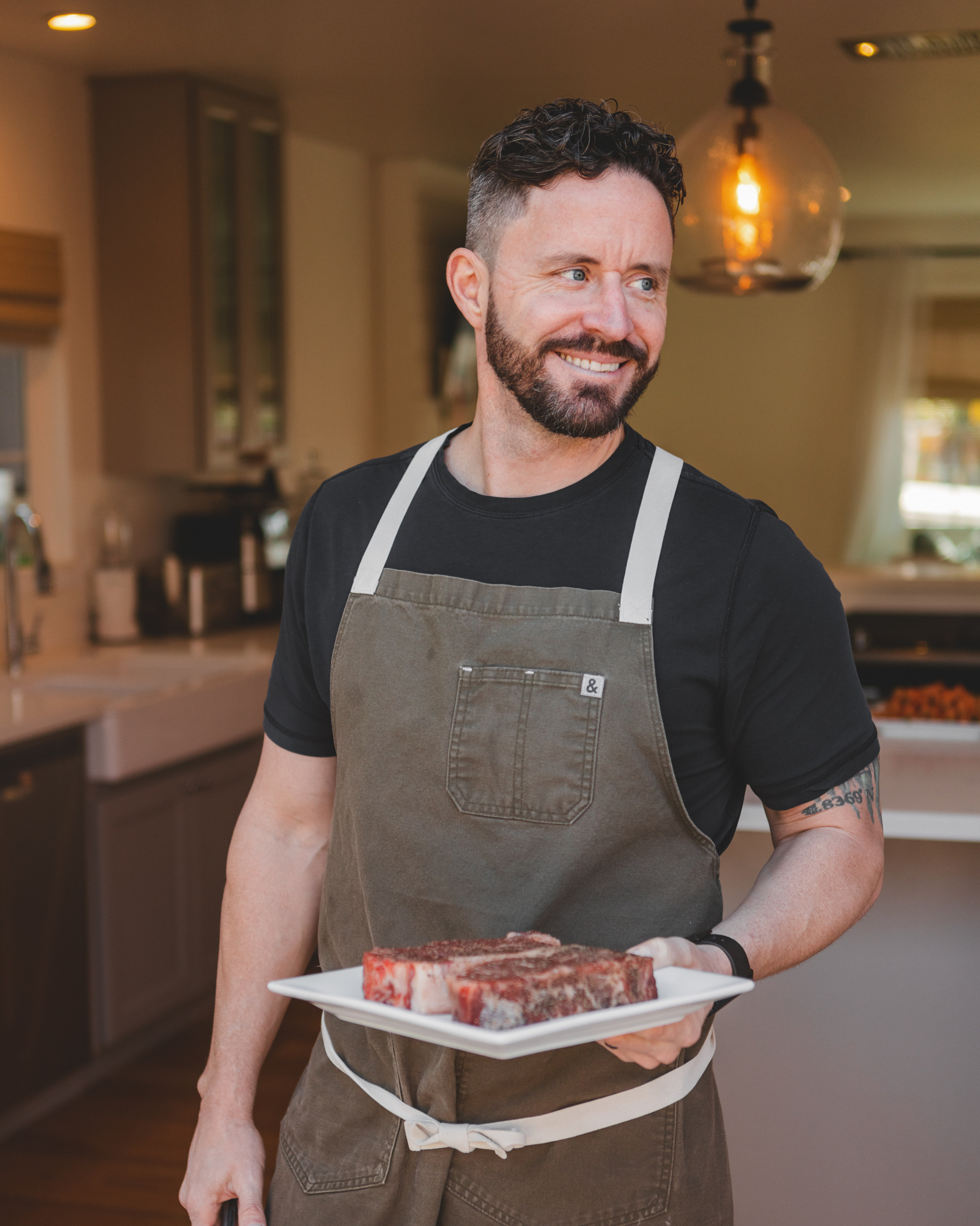
A champagne toast has just finished, the candles are glowing, and the first course is ready to leave the kitchen. In that moment, the choice between family style versus plated service becomes more than a catering detail. It determines how guests interact, how the table feels, and whether dinner moves with lively abundance or polished precision.
For private dinners, weddings, and executive gatherings, both formats can be exceptional. The right choice depends on the occasion, the guest list, the setting, and the kind of hospitality you want people to remember.
Family Style Versus Plated Service: The Essential Difference
Plated service brings each course to the guest as a composed, individual presentation. A server places a finished dish at every setting, allowing the chef's intended balance of flavor, texture, temperature, and visual detail to arrive intact. Think pan-roasted local fish with a bright citrus beurre blanc, spring vegetables arranged with care, and a precise garnish that completes the plate.
Family-style service places generous shared platters and bowls at the table for guests to pass, serve, and enjoy together. It may include a carving board of herb-roasted beef, platters of seasonal vegetables, vibrant salads, and warm accompaniments designed for a shared meal. The food remains elevated, but the experience is more relaxed and communal.
Neither is inherently more luxurious. Luxury is found in thoughtful menu design, excellent ingredients, graceful service, and the feeling that every guest has been cared for. The service style simply directs that experience differently.
When Plated Service Sets the Right Tone
Plated service is a natural fit when the visual impact of each course matters as much as the menu itself. It gives a wedding reception, anniversary dinner, or client event an elegant rhythm: guests are seated, courses arrive in unison, and each moment feels intentional.
This format is especially effective for multi-course menus. A chef can build a progression that begins with a delicate starter, moves into a composed entrée, and finishes with dessert at precisely the right pace. Temperature-sensitive dishes, intricate sauces, and fragile garnishes all benefit from the control of individual plating.
There is also an ease to plated service that hosts often appreciate. Guests do not need to reach across the table, decide how much to take, or wait for a platter to make its way around. Dietary requirements can be handled discreetly, with a vegetarian, gluten-free, or allergy-conscious plate prepared as its own thoughtful course rather than as an afterthought.
For formal events, seated corporate dinners, and intimate celebrations where conversation is meant to unfold without interruption, plated service creates a calm, restaurant-caliber atmosphere. It is the choice for hosts who want a more structured experience and a refined sense of occasion.
Consider the service flow
The trade-off is that plated service requires careful timing and a capable service team. Every guest should be served smoothly and close together, particularly for larger parties. It also asks guests to follow the pace of the meal, which is often ideal for a formal evening but may feel less natural for a casual, free-flowing gathering.
Plated menus can be customized beautifully, though too many entrée selections add complexity. For the most effortless experience, many hosts choose one main entrée with a planned alternative for guests with dietary needs.
Why Family-Style Service Feels So Inviting
Family-style dining turns the table into part of the experience. Passing a platter of roasted chicken with preserved lemon, serving yourself a spoonful of grilled market vegetables, or reaching for another piece of warm sourdough gives guests an easy reason to engage with one another.
That interaction is particularly welcome at celebrations where families and friend groups are coming together. Guests who may not know each other often begin talking over the food. The meal feels abundant without becoming stiff, and the table develops the warmth of a generous dinner party rather than the formality of a restaurant dining room.
Family style also offers a satisfying degree of choice. A guest can take a little more of a favorite side, skip something they do not prefer, or sample a bit of everything. For a menu inspired by Mediterranean or coastal California flavors, shared service can feel especially natural: grilled proteins, colorful composed salads, roasted potatoes, seasonal vegetables, and sauces made for passing.
This format often works well in homes, outdoor settings, and venues where the goal is relaxed sophistication. It honors the occasion while allowing guests to settle in, linger, and enjoy the table at their own pace.
Plan for the table itself
Family style needs room to breathe. Shared platters, serving utensils, floral arrangements, water, wine, and place settings all compete for space. A beautiful table can quickly feel crowded if it has not been designed around the menu.
The best approach is to select dishes that hold well and are easy to serve. Crisp-skinned fish or a delicate fried element may be better suited to plated service, while braised meats, roasted vegetables, grain dishes, and vibrant salads travel elegantly from platter to plate. A professional caterer can also pace the service in waves, so every dish does not arrive at once.
Dietary considerations deserve extra attention with family style. A clearly planned vegetarian centerpiece, separate allergen-conscious sides, and well-informed servers keep everyone comfortable without making anyone feel singled out.
Choose for Your Guests, Not Just the Look
The most useful question is not, “Which service style is better?” It is, “How do I want my guests to feel?”
Choose plated service when you want the dinner to feel composed, formal, and visually choreographed. It suits a milestone anniversary at home, an elegant wedding reception, or a corporate event where the meal supports a carefully timed program. It is also the stronger choice when a menu relies on detailed chef finishing or when guests have numerous individual dietary needs.
Choose family style when connection is the centerpiece. It works beautifully for a coastal birthday dinner, a rehearsal gathering, a holiday celebration, or an at-home event where guests are meant to mingle and stay awhile. It can be polished and elevated without asking the room to behave formally.
Guest count matters, but it does not decide the answer on its own. A small dinner of ten can be exquisite with plated courses, while a wedding of fifty can feel wonderfully generous around shared platters. The venue layout, available kitchen space, table size, menu, and service staff all have a greater effect on success than a simple headcount.
A Hybrid Approach Can Offer the Best of Both
Some of the most memorable events combine the strengths of both formats. A passed or plated first course can set an elevated tone, followed by shared entrées and sides that invite conversation. Another option is a family-style main course with individually plated dessert, giving the evening a graceful finish.
This approach is useful when hosts want visual refinement without losing the warmth of a shared table. It also allows the menu to guide the service. A delicate tuna crudo may arrive as an individual starter, while a centerpiece of slow-roasted lamb, charred broccolini, and saffron potatoes belongs on the table for everyone to enjoy together.
At Flavor Affinity, menu and service decisions begin with the occasion rather than a fixed package. A chef-led event should feel at home in its setting, whether that means an intimate plated tasting menu or abundant shared courses set beneath the San Diego evening sky.
Let the Occasion Lead
The best service style is the one that lets you be present with your guests. If you imagine candlelit courses arriving with quiet precision, plated service may be the right expression. If you picture wine being poured, platters being passed, and guests reaching for one more bite of something delicious, family style may be the better fit.
A well-designed meal does more than feed a room. It gives people a reason to stay at the table a little longer.


Comments