


French Culinary Techniques That Elevate Dinner
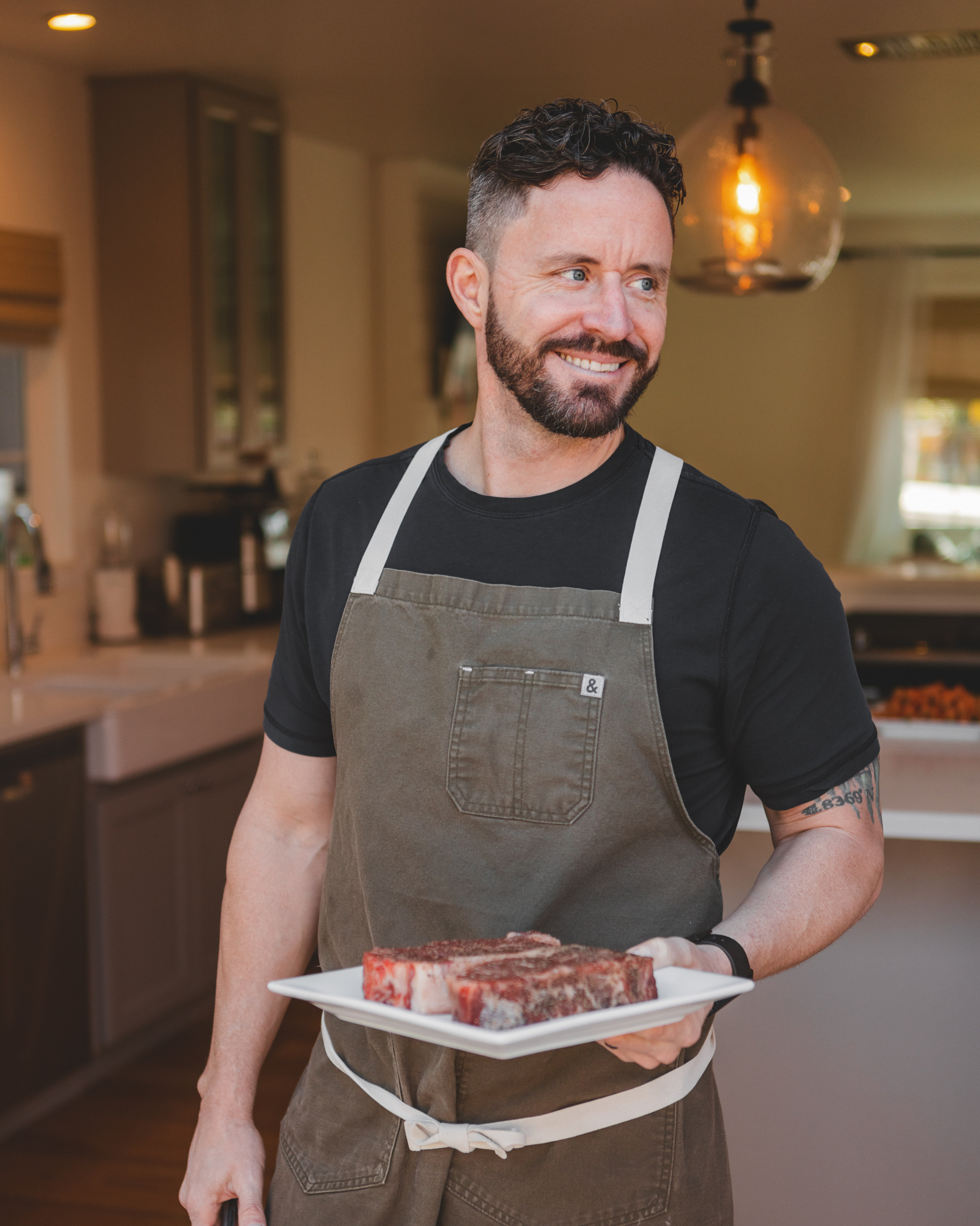
A beautifully cooked dinner rarely feels complicated when it reaches the table. The fish is delicate, the sauce tastes finished rather than heavy, the vegetables hold their shape, and every element seems to belong exactly where it is. That kind of ease is often the result of french culinary techniques - not flashy tricks, but disciplined methods that create clarity, balance, and confidence in the kitchen.
For hosts planning an intimate dinner, a wedding weekend meal, or a polished in-home celebration, those techniques matter because they shape the guest experience. Great cooking is not just about premium ingredients. It is about what a chef does with them: how heat is controlled, how flavor is built, how texture is protected, and how each course moves with purpose.
Why french culinary techniques still matter
French cooking has influenced professional kitchens for generations because it provides a framework. It teaches a chef how to think, not just what to make. When the goal is elegant food that feels composed rather than overworked, that structure becomes incredibly useful.
At its best, French technique creates restraint. A sauce tastes concentrated without becoming muddy. A piece of meat develops color without drying out. A broth carries depth without feeling heavy. For clients, that translates into food that feels refined and satisfying, even when the presentation is understated.
That does not mean every dish needs to be classical or rich. In fact, some of the most modern coastal menus rely on French foundations while pulling in Mediterranean brightness or Asian precision. The technique stays disciplined, while the flavors become more personal, seasonal, and place-driven.
The french culinary techniques that shape a polished meal
Many of the methods guests notice most are the ones they never see. They are built into the pacing of service and the quiet confidence of the plate.
Searing for flavor, not just color
A proper sear is about more than appearance. It creates savory depth, develops texture, and lays the groundwork for pan sauces and finishing flavors. Whether the ingredient is scallops, duck breast, filet mignon, or a meaty mushroom, the principle is the same: dry surface, controlled heat, patience, and restraint.
The trade-off is that searing can be overused. Not every ingredient benefits from aggressive browning, especially delicate seafood or vegetables meant to stay bright and tender. A chef chooses when a strong crust adds complexity and when a gentler touch is better.
Reduction as a tool for concentration
One of the defining French habits in cooking is reducing liquids to intensify flavor. Wine, stock, cream, tomato, and even fruit-based components can be simmered until they become more vivid and cohesive. This is how sauces gain body without relying on shortcuts.
Reduction also requires judgment. Push it too far and the result becomes salty, overly sweet, or dense. Stop too early and the sauce feels thin. The right balance gives a dish that restaurant-level sense of completion.
Emulsification for elegance
A vinaigrette that clings perfectly to greens, a beurre blanc with a glossy finish, a silky aioli, or a well-made hollandaise all rely on emulsification. In simple terms, it is the process of combining ingredients that do not naturally stay together, such as fat and water.
This matters because texture changes how flavor is perceived. A properly emulsified sauce feels lighter, smoother, and more intentional. It can make a dish taste luxurious without making it feel heavy, which is especially valuable in coastal cuisine where freshness should lead.
Braising for depth and tenderness
Braising is one of the most generous techniques in the French repertoire. It begins with browning, continues with aromatics and liquid, and finishes through slow, gentle cooking. Short ribs, lamb shank, chicken thighs, fennel, and even leeks benefit from this method.
For entertaining, braising has practical advantages. It develops flavor ahead of service, holds beautifully, and often tastes even better after the ingredients have had time to settle together. The result is rich and comforting, though it depends on the setting. A heavy braise may be perfect for an intimate winter dinner, while a lighter poached or roasted preparation may suit a spring garden celebration better.
Foundations that guests feel without naming
Most diners will not identify a mirepoix, a mounted butter finish, or a carefully clarified stock. They will simply notice that the meal feels composed. That is the quiet power of technique.
Stock and sauce work
A well-made stock is one of the clearest markers of professional cooking. It adds backbone to soups, grains, sauces, and braises. From there, sauce work becomes a language of its own. Pan jus, velouté-inspired preparations, reduced seafood broths, and herb-forward butter sauces all depend on careful layering.
This is where restaurant-quality cooking separates itself from food that is merely attractive. Sauce brings a dish together. It connects protein, vegetable, and starch into a single experience rather than a collection of separate parts.
Knife skills and consistency
Precision with a knife affects more than presentation. Uniform cuts mean ingredients cook evenly, absorb seasoning properly, and create a more elegant texture on the plate. A refined ratatouille, finely shaved vegetables, or neatly portioned tartare all begin with this kind of discipline.
It may sound simple, but consistency is one of the most difficult qualities to maintain at a high level. It is also one of the reasons chef-led dining feels so effortless to guests.
Poaching and gentle cooking
French technique is not only about richness. It also values gentleness. Poached lobster, olive oil-poached fish, softly cooked eggs, and fruit poached in aromatic liquid can feel just as luxurious as a braised or roasted course.
These methods are especially effective when the ingredients are already exceptional. They protect texture and let natural flavor stay clear. In a coastal market where seafood and seasonal produce often lead the menu, that restraint can be far more impressive than excess.
How French technique supports modern entertaining
The appeal of these methods goes beyond culinary tradition. They create a dining experience that feels measured and reliable, which matters when the evening itself is part of the occasion.
For private dinners and celebrations, French technique helps with pacing. Sauces can be finished at the right moment. Proteins can rest properly. Courses arrive with intention rather than haste. The host experiences the meal as a guest, while the kitchen runs with calm precision behind the scenes.
That is one reason these methods remain so relevant in contemporary hospitality. They support elegance without stiffness. A menu can feature local seafood, bright citrus, grilled vegetables, and globally influenced accents, yet still feel anchored by classical control. Flavor Affinity, for example, builds much of that polish through French technique while keeping the final experience fresh, coastal, and highly personal.
Technique is only valuable when it serves flavor
There is a temptation to treat classical cooking as a badge of seriousness. Good chefs know better. Technique is not there to impress another chef. It is there to make the guest's meal more delicious, more balanced, and more memorable.
Sometimes the best choice is a classic pan sauce finished with butter and herbs. Sometimes it is a lighter broth sharpened with citrus and olive oil. Sometimes a formal roulade makes sense for a plated event, and sometimes a simply roasted piece of fish with a precise garnish feels more luxurious. It depends on the menu, the season, and the kind of gathering being hosted.
That flexibility is what makes French technique so enduring. It gives a chef control without forcing the food into one style. It can support a celebratory multi-course dinner, an elegant wedding meal, or a weeknight menu prepared for a household that wants convenience without sacrificing quality.
When cooking feels graceful, it is rarely accidental. It is usually the result of practiced choices made long before the first plate leaves the kitchen. French culinary techniques bring that kind of structure to a meal, allowing ingredients, hospitality, and atmosphere to work together in a way guests remember long after the last course is served.


Comments