


Holiday Party Catering for Effortless Hosting
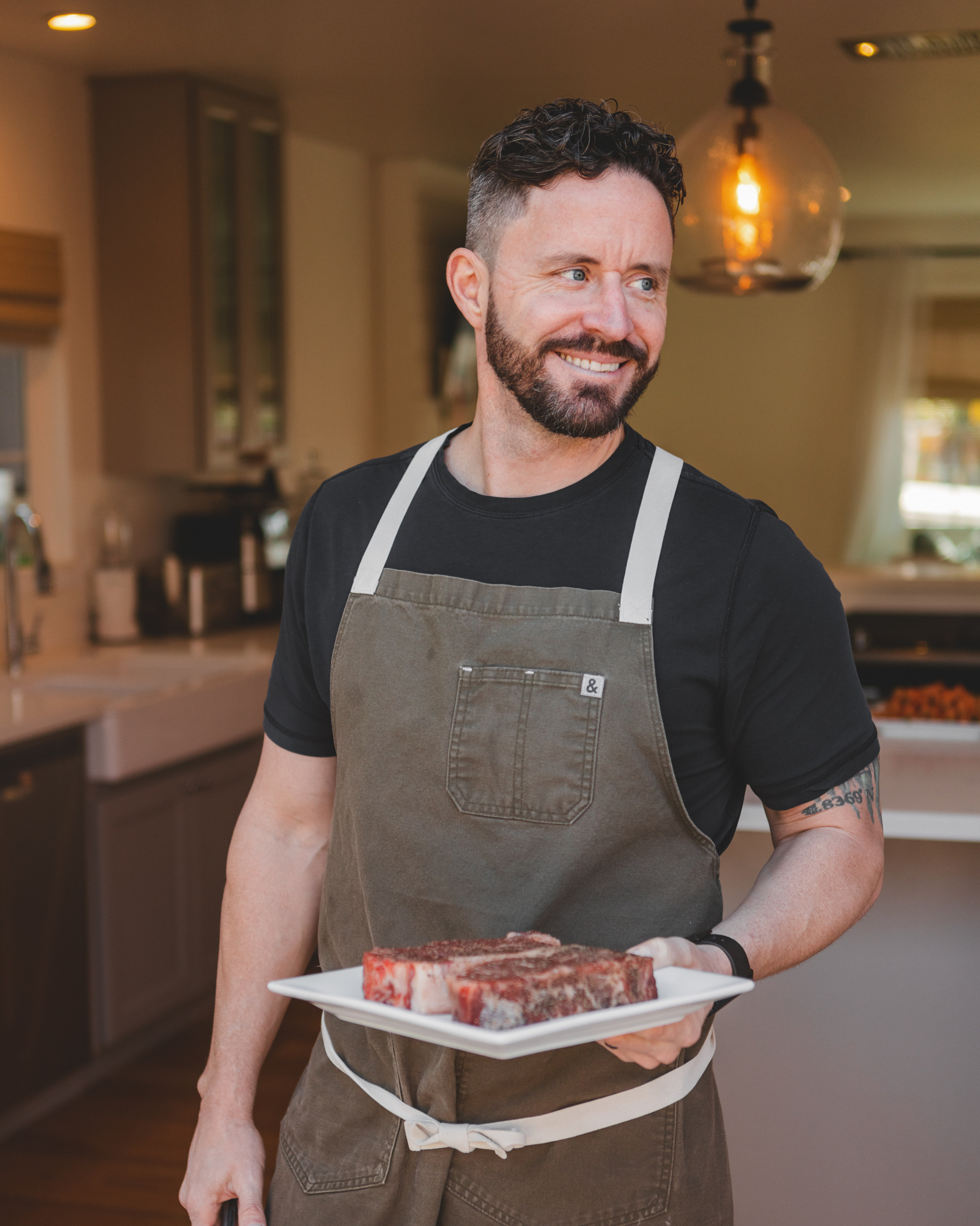
A holiday gathering can change the moment the host disappears into the kitchen. The cocktail conversation loses momentum, a roast needs checking, and the person who planned the evening gets the least time to enjoy it. Thoughtful holiday party catering changes that equation, bringing restaurant-caliber food and composed service into the setting you have chosen for your guests.
For an intimate dinner at home, a company celebration, or a lively coastal cocktail party, the best catering does more than provide food. It creates a pace for the evening, reflects the occasion, and gives everyone - including the host - room to be present.
Start Holiday Party Catering With the Occasion
The most memorable holiday menus are designed around how people will gather, not simply around a list of dishes. A seated dinner calls for a different approach than an open-house reception. A client-facing corporate event may benefit from elegant passed bites and polished stations, while a family holiday celebration can feel especially generous with shared platters placed at the table.
Before building a menu, consider the guest count, timing, setting, and desired energy. A 6:30 p.m. dinner after a long workday may call for a warm welcome cocktail and a plated first course. A late-afternoon party often works better with substantial small plates, where guests can move easily between the bar, patio, and conversation groups.
There is also a practical question: how much hosting do you want to do? Some clients enjoy pouring wine and welcoming friends while a chef manages the meal. Others prefer full-service support, with staffing to handle setup, passed appetizers, dining service, and cleanup. Neither choice is more festive. The right choice is the one that lets you experience your own party the way you intended.
Build a Menu That Feels Seasonal, Not Predictable
Holiday food should feel celebratory, but it does not have to repeat the same heavy, familiar notes from one event to the next. The strongest menus balance comfort with contrast: something crisp against something rich, bright citrus or herbs against slow-cooked warmth, and a few unexpected details that make guests pause for another bite.
Modern coastal cuisine offers an especially natural direction for Southern California entertaining. Imagine passed hors d'oeuvres with local seafood, seasonal citrus, and aromatic herbs; a composed salad with roasted vegetables and a lively vinaigrette; or a main course finished with a sauce that brings depth without weighing down the plate. French technique gives each course precision, while Mediterranean and Asian influences can add freshness, spice, texture, and personality.
A holiday menu does not need to please every guest in exactly the same way. It should, however, give everyone a satisfying path through the meal. That means planning for dietary needs early rather than treating them as an afterthought. A well-designed vegetarian entrée, gluten-conscious options, and accommodations for allergies should feel as intentional as the rest of the menu.
When deciding how adventurous to be, think about your group. A circle of enthusiastic food lovers may welcome a chef-driven tasting menu with layered flavors and more unexpected ingredients. A multigenerational family party may call for recognizable dishes elevated through exceptional sourcing and preparation. Customization matters because the best menu is not the most elaborate one. It is the one your guests will remember fondly.
Choose the Right Service Style
Service style shapes the mood as much as cuisine. A plated dinner feels intimate and considered, making it well suited to milestone celebrations, executive gatherings, and smaller groups where the table itself is part of the experience. Family-style service brings warmth and abundance, inviting guests to share dishes and settle into a longer evening.
For parties built around mingling, chef-attended stations and passed appetizers keep the room active without requiring guests to line up or balance an oversized plate. Stations can be especially effective for larger groups because they create movement and offer visual interest. The trade-off is that they require thoughtful placement so traffic flows naturally through the space.
Buffets can work beautifully when the event is relaxed and the menu is designed to hold well. They are less ideal when a host wants a formal atmosphere or when the venue has limited space for a proper service area. A professional caterer can help assess these details before the party, when adjustments are simple rather than stressful.
Let the Setting Guide the Experience
One advantage of private catering is that the event can feel distinctly yours. A dining room, backyard, ocean-view terrace, office, or rental property can become a refined dining environment with the right menu, table presentation, and service plan.
At home, resist the urge to use every available surface for food and décor. Leave room for guests to arrive, set down a drink, and connect. A focused tablescape, candlelight, seasonal greenery, and a few intentional serving moments often feel more luxurious than an overfilled room.
Outdoor entertaining is a gift in San Diego County, but it still requires planning in the cooler months. Consider the temperature after sunset, pathway lighting, wind around the dining area, and whether hot food can be served at its best. Heaters, wraps, and a warm first course can make an outdoor holiday party feel inviting rather than merely scenic.
For corporate or off-site events, the venue's kitchen access, loading route, power, and timing deserve attention. These details rarely matter to guests when they are handled well, but they matter greatly to the quality of service. Catering is at its best when the logistics disappear into the background.
Plan Earlier Than You Think
The holiday calendar compresses quickly. Preferred dates, experienced service staff, rental inventory, and specialty ingredients become harder to secure as December approaches. Starting the conversation early gives you more freedom with menu direction and event design.
You do not need every detail finalized at the first meeting. A strong initial plan includes the date, estimated guest count, location, service style, budget range, and any nonnegotiables. Perhaps it is a raw bar, a champagne welcome, a particular family dessert, or a menu that accommodates several dietary preferences. Those anchors help a chef shape the rest of the experience.
Guest count is especially important. It affects not only quantity but staffing, equipment, serving vessels, and the flow of the evening. If your list is still moving, share a realistic range and establish a date for the final count. This keeps planning clear while allowing room for holiday schedules to settle.
Why Chef-Led Catering Feels Different
Boutique catering is most valuable when it is genuinely personal. Rather than selecting a fixed package and hoping it suits the event, you work from the occasion outward: who is coming, what matters to you, what flavors fit the season, and what kind of evening you want to host.
That chef-led approach also brings confidence on the day itself. A professional team manages preparation, timing, presentation, and the small adjustments that naturally arise when guests arrive early, conversations run long, or weather shifts an outdoor plan. The host is free to welcome people, share a toast, and stay at the table after dessert.
For gatherings in Encinitas and throughout North County, Flavor Affinity brings this level of attention to private homes, celebration venues, and business settings. The goal is never to make a party feel overly formal. It is to make refined hospitality feel easy, generous, and entirely appropriate to the people in the room.
Make Room for One Signature Moment
The detail guests recall is often not the largest one. It may be a passed bite paired with a sparkling welcome pour, a dramatic final course brought to the table, or a late-night sweet that appears just as the party begins to soften. A signature moment gives the celebration a sense of occasion without turning it into a production.
Choose one that feels natural to your group, then let the rest of the evening breathe. When the food is considered, the service is gracious, and the host is able to relax, holiday entertaining becomes less about managing a checklist and more about giving the people you care about a beautiful reason to linger.


Comments