


How Does Private Dining Work at Home?
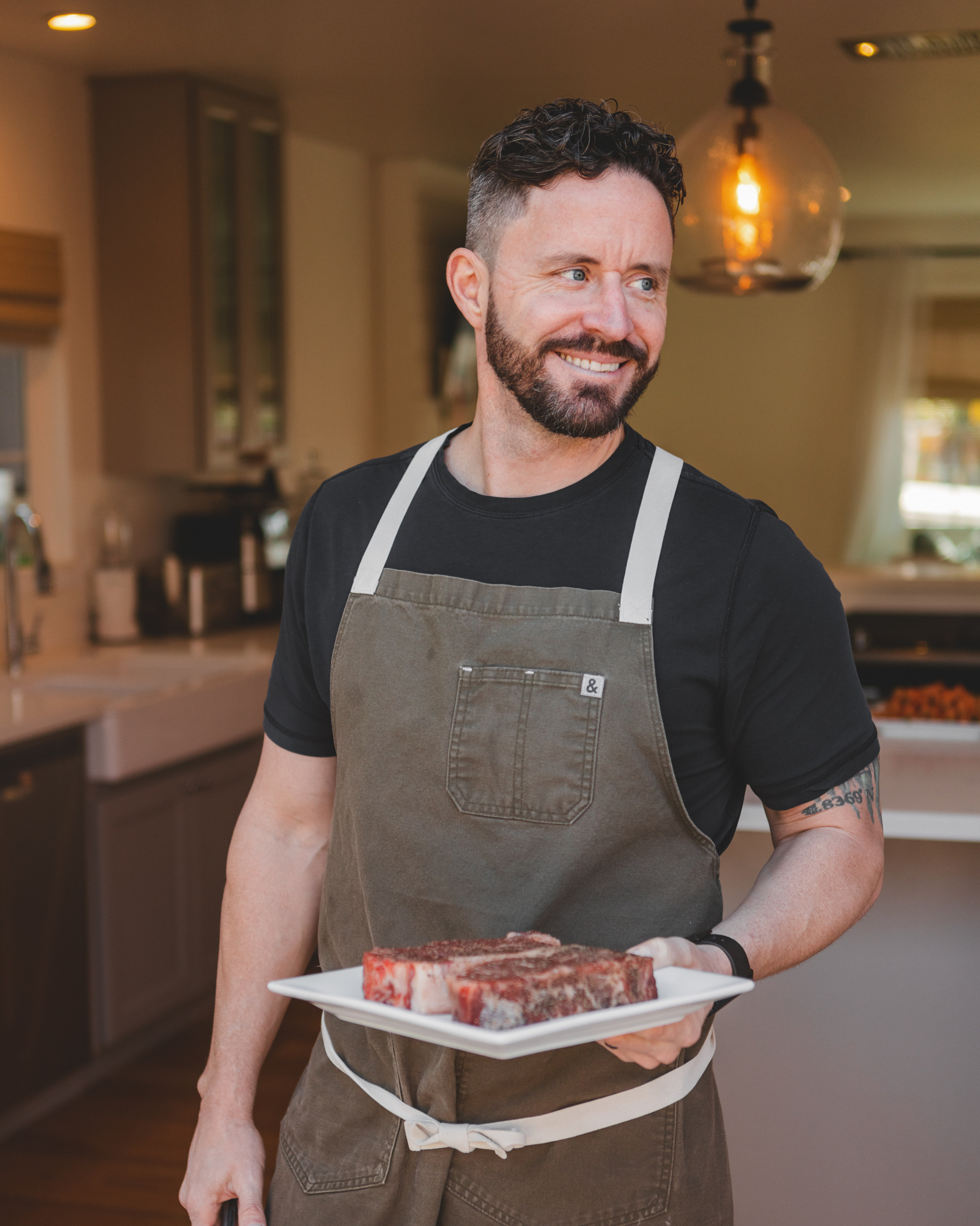
A crowded restaurant can dull a special occasion before the first course even arrives. Parking, noise, reservation limits, and rushed service all compete with the reason you gathered in the first place. That is why many hosts ask, how does private dining work when you bring the experience home instead of going out.
At its best, private dining takes the standards of a fine restaurant and places them in a setting that feels more personal, more comfortable, and far more flexible. You keep the intimacy of your own space while handing the culinary and service details to professionals. The result is not just dinner. It is an evening designed around your guests, your pace, and your occasion.
How does private dining work from start to finish?
Private dining usually begins with a conversation about the event itself. The guest count, occasion, location, dietary needs, service style, and overall atmosphere all shape what the experience will look like. An anniversary dinner for eight calls for something very different from a rehearsal dinner, a client appreciation event, or a relaxed family gathering with multiple generations at the table.
From there, the chef or catering team develops a plan. That often includes a proposed menu, staffing recommendations, rental needs if any, service timing, and pricing. Some clients arrive with a clear vision, while others simply know they want something elevated without the work of hosting. Both approaches are common, and a good private dining experience leaves room for customization without making the process feel complicated.
Once the details are approved, the work shifts behind the scenes. Ingredients are sourced, prep is scheduled, staff is assigned if needed, and the kitchen strategy is built around your home or venue. On the day of the event, the culinary team arrives to finish preparation, cook, plate, serve, and clean up. For the host, that often means one very noticeable difference from traditional entertaining: you are actually present for your own event.
What private dining usually includes
The phrase private dining can mean different things depending on the provider, but most experiences center on a chef-led meal prepared specifically for your group in a private setting. That setting might be your home, a vacation rental, an outdoor property, or an event venue.
In many cases, the service includes menu consultation, ingredient sourcing, on-site cooking, plating, table service, and cleanup. Some events are intentionally simple, such as a plated anniversary dinner prepared by a private chef in your kitchen. Others are more layered and may include passed appetizers, wine service, rentals, florals, or multiple staff members managing the flow of the evening.
The level of service is one of the biggest variables. If you want a casual but polished dinner, the chef may prepare and present each course with minimal staffing. If you want a more formal feel, servers, bartenders, and event support can help create a restaurant-caliber rhythm from cocktails through dessert. Neither option is better. It depends on the kind of evening you want and how hands-off you prefer to be.
Menu planning is where the experience becomes personal
A restaurant menu has to serve everyone in the room. Private dining does not. That is part of what makes it appealing.
The menu is typically built around your preferences, the season, and the style of service. Some hosts want a composed multi-course dinner with refined plating and thoughtful pacing. Others prefer a family-style format that feels abundant and social while still carrying a polished culinary point of view. Dietary restrictions, allergies, and ingredient preferences are addressed in advance, which is often much easier than trying to coordinate them in a public dining room.
This is also where chef personality matters. A well-designed private dining menu should feel tailored, not generic. Modern coastal dishes, French technique, Mediterranean brightness, and Asian influence can all live comfortably in one experience when the menu is guided by flavor balance rather than trend-chasing. Done well, each course feels connected to the next, and the meal reflects both the occasion and the people at the table.
The home kitchen does not have to be perfect
One of the most common concerns clients have is whether their kitchen is good enough. In most cases, it is.
Experienced private chefs know how to adapt to different environments. A spacious, fully equipped kitchen is certainly convenient, but it is not a requirement for an excellent meal. Much of the prep is often completed ahead of time, and the on-site setup is planned around what the space can realistically support. If additional equipment is needed, that is usually discussed in advance.
The same goes for the dining space itself. Not every event needs a formally styled dining room. A covered patio, a coastal rental, or an open-plan living space can all work beautifully with the right service design. Private dining is less about having a showpiece home and more about creating the right atmosphere within the space you already have.
Staffing depends on the kind of event you are hosting
A dinner for six and a celebration for thirty are not built the same way. Staffing is where that difference becomes visible.
For smaller gatherings, a chef may be able to manage the cooking and guest interaction alone, especially if the service style is relaxed. For larger or more formal events, additional support keeps the evening flowing. Servers can handle table setting, course transitions, beverage service, and clearing. Bartenders may be useful if cocktails are part of the event. Event assistants can help with logistics that would otherwise fall to the host.
This is one of the reasons pricing can vary so widely in private dining. It is not just about food cost. It is also about labor, service style, complexity, timing, and the overall standard of hospitality. A more extensive team creates a more effortless guest experience, but it also changes the structure of the event investment.
How pricing usually works
Clients often expect private dining to be priced like restaurant dining with a simple per-person number. Sometimes it is. Often, it is more layered.
Private dining pricing may reflect guest count, menu complexity, staffing, rentals, travel, and the length of service. A multi-course seated dinner with premium ingredients and full staff support will naturally be priced differently than a chef-prepared drop-off meal or a casual brunch gathering.
That said, private dining is not only about luxury for luxury's sake. It is also about value in a different form. You are paying for customization, convenience, privacy, and the ability to host without carrying the burden of shopping, cooking, serving, and cleaning. For many clients, especially those celebrating something meaningful or entertaining guests they want to impress, that trade-off is well worth it.
How does private dining work for different occasions?
The core process stays fairly consistent, but the event type changes the tone.
For intimate celebrations, private dining tends to feel romantic and highly personalized. Menus may be more detailed, pacing slower, and service designed to let the evening unfold naturally. For family milestones, the emphasis is often on making everyone feel cared for, from children to grandparents, without forcing the host into the kitchen.
For weddings and pre-wedding events, private dining can create a more thoughtful alternative to standard banquet service. For corporate entertaining, it offers a polished setting that feels more distinctive than another restaurant reservation. In each case, the mechanics are similar, but the priorities shift. Sometimes the priority is atmosphere. Sometimes it is efficiency. Often it is both.
What makes a private dining experience feel worth it
The best private dining does more than deliver excellent food. It changes how the evening feels.
Guests are more relaxed in a private setting. Conversations last longer. Timing is not dictated by a reservation book or a crowded dining room. Courses arrive when they should, not when the kitchen is overloaded. The host is free to sit down, pour a glass of wine, and enjoy the people they invited.
That sense of ease is what many clients remember most. The meal matters, of course, but so does the absence of friction. No shopping list. No prep mess. No stack of pans waiting at the end of the night. Just a beautifully handled experience that feels generous from beginning to end.
A chef-driven service like Flavor Affinity brings that ease together with a clear culinary point of view, which is often the difference between catered food and a truly memorable dinner. The food should feel crafted, the service should feel natural, and the entire evening should feel like it belonged exactly where it happened.
If you have been considering private dining, the best way to think about it is simple: it is hospitality built around your life instead of asking you to fit into someone else's. When the food is thoughtful and the service is well planned, your home becomes the best table in town.


Comments