


Private Chef vs Catering: Which Fits Your Event?
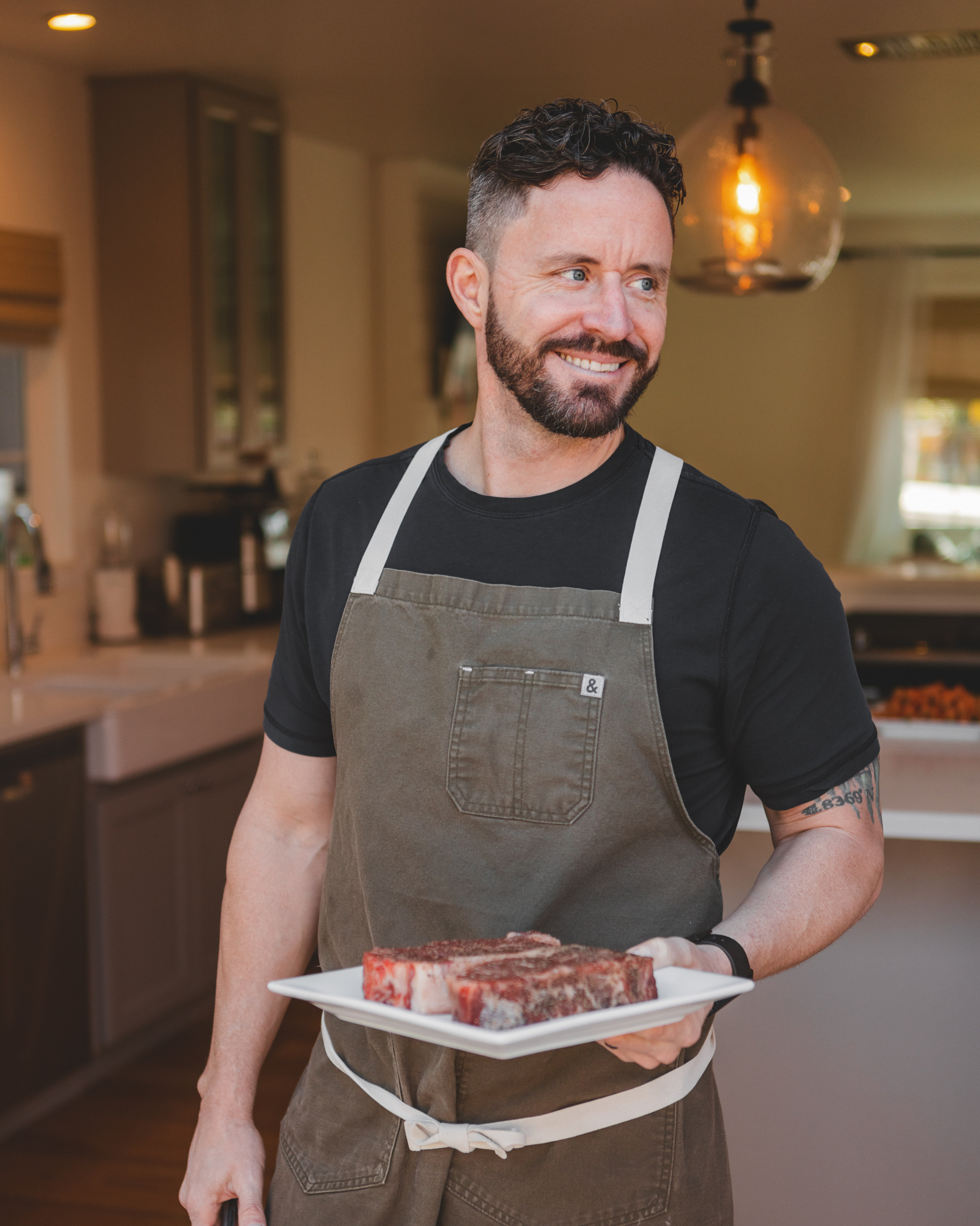
A candlelit anniversary dinner in Encinitas and a 120-person oceanfront wedding may both call for exceptional food, but they ask very different things of the kitchen. When considering private chef vs catering, the best choice is less about which service is more luxurious and more about how you want the occasion to feel. Do you want a chef-led meal that unfolds around your table, or a polished event operation built to welcome a larger room?
Both can deliver beautiful cuisine and gracious hospitality. The distinction lies in scale, personalization, service style, and how much of the experience is centered on the act of dining itself.
Private Chef vs Catering: The Essential Difference
A private chef creates a dining experience for a specific group in a chosen setting, often in your home or vacation rental. The chef plans a menu around your preferences, cooks close to service, and shapes the pacing of the evening around your guests. It feels less like bringing dinner in and more like bringing a restaurant-caliber culinary team into the space you already love.
Catering is designed to support an event. It may include passed appetizers, buffet stations, plated courses, bar coordination, rentals, staffing, and the broader logistics required to feed a crowd smoothly. While a boutique caterer can still be highly customized, the service is built to perform consistently across more guests, more moving parts, and a more active timeline.
Neither is automatically the better option. A private chef can be ideal for an intimate gathering of 8 to 20 guests, while catering may be the more natural fit for a wedding, corporate reception, or milestone party where guests are circulating, speeches are scheduled, and attendance may shift until the final days.
Choose a Private Chef When the Meal Is the Main Event
A private chef is especially compelling when the table is where the evening happens. Think of a birthday dinner with your closest friends, a family celebration after a day at the beach, or a client dinner where conversation deserves more attention than restaurant noise.
The experience begins before the first course. Your chef can account for favorite ingredients, dietary needs, wine preferences, the tone of the occasion, and the practical realities of your kitchen. A menu might move from local crudo with bright citrus and herbs to a French-inspired entrée finished with seasonal vegetables, followed by a composed dessert served at a relaxed pace. The menu has a point of view, but it is built for your guests.
That degree of attention is difficult to replicate with traditional catering, particularly at a larger scale. With a chef-led private dinner, timing can change naturally. If guests are lingering over a first course, the next course waits. If the host wants a toast before dinner, the service adjusts. The evening has structure without feeling programmed.
A private chef also changes the host's role. Rather than shopping, cooking, plating, clearing, and missing the best parts of the evening, you are present at your own table. For many clients, that freedom is the true luxury.
The atmosphere is part of the value
Private chef service is not only about what appears on the plate. It is about the quiet confidence of a well-run evening. The kitchen is active, but the dining room feels effortless. Courses arrive with intention. Glasses are refreshed. The final plate is cleared without the host being pulled away to manage cleanup.
This format works best when your guest count is manageable and your space supports it. A talented chef can work in many home kitchens, but very limited prep space, a tight floor plan, or a group much larger than the dining area may point toward a different service model.
Choose Catering When the Event Has More Moving Parts
Catering is the stronger choice when food needs to support a larger celebration rather than define every moment of it. A wedding reception, company gathering, graduation party, or 50th birthday with an open guest list requires a team that can coordinate volume, timing, staffing, and presentation without slowing down the event.
For these occasions, catering provides range. Guests might begin with passed small bites and a signature cocktail, move into interactive stations or a plated dinner, then finish with dessert, coffee, and late-night fare. The format can match the energy of the room. A cocktail-forward reception invites mingling; a seated plated dinner creates formality; family-style service offers warmth and abundance.
The operational advantage matters, too. A full-service caterer can coordinate the people and equipment behind the scenes: service staff, bartenders, tablescape needs, rentals, kitchen staging, and the flow of the meal. For a host planning a substantial event, that coordination is not a minor detail. It is what allows the celebration to feel composed rather than improvised.
Catering is also often more resilient when guest counts grow. A menu can be designed for efficient execution while still reflecting seasonality, strong technique, and thoughtful flavor. The goal is not to make food feel generic. It is to deliver a consistent experience to every guest, whether they are first in line or last to be served.
How Menu Flexibility Compares
Private chef menus generally offer the greatest room for individual preference. If one guest avoids shellfish, another is gluten-free, and the guest of honor wants a particular dessert, those details can be woven into the evening from the start. The chef has the ability to cook with a smaller group in mind and make refinements as the menu develops.
Catering menus can also be customized, especially with a chef-driven boutique team, but choices need to account for the realities of serving many people at once. A dish that is exquisite for 10 may not hold or plate as beautifully for 150. That does not mean compromise. It means choosing preparations that are equally delicious and polished at event scale.
For both formats, early communication is key. Share dietary requirements, ages of guests, the desired mood, and any foods that matter to your family or organization. The strongest menus are personal without becoming overly complicated. They offer enough variety for guests to feel cared for while remaining focused and cohesive.
Cost Is About More Than the Food
When comparing private chef vs catering pricing, it helps to look beyond the cost per person. Private chef service often reflects menu planning, grocery sourcing, culinary labor, on-site cooking, service, and cleanup. The value is concentrated in customization and the intimacy of the experience.
Catering pricing may include food but can also involve staffing, rentals, equipment, delivery, setup, service fees, bar needs, and venue-specific requirements. A larger event can make catering more economical on a per-guest basis, yet the total investment can rise quickly as the scope expands.
Ask what is included and what is not. Is the proposal for a drop-off meal, staffed buffet, family-style dinner, or formal plated service? Are rentals and gratuity separate? Does the team manage setup and breakdown? Clear answers make it easier to compare proposals fairly and protect the experience you are trying to create.
A Practical Way to Decide
Start with the guest experience, not the menu. If you picture everyone seated together, talking through multiple courses, and enjoying the theater of a chef-prepared meal, private chef service is likely the right fit. If you picture a full room, varied event programming, mingling, and the need for an experienced service team to keep everything moving, catering is likely the better foundation.
Then consider your guest count, venue, budget, and level of involvement. A dinner for 12 at home can be beautifully personal. A 100-person anniversary party may need the infrastructure of full-service catering. There is a useful middle ground, too: a boutique catered gathering can retain a chef-driven menu and elevated presentation while providing the staffing and planning support a larger occasion requires.
At Flavor Affinity, the approach begins with the occasion itself: the setting, the people around the table, and the feeling you want guests to carry home. Whether you choose an intimate private dinner or a fully staffed celebration, the right culinary partner should make hosting feel lighter and the food feel unmistakably considered.
Choose the format that gives you the freedom to be present. Your guests will remember the flavors, certainly, but they will also remember a host who had time to raise a glass, join the conversation, and enjoy the celebration alongside them.


Comments