


The Chef's Guide to Wedding Food Tastings
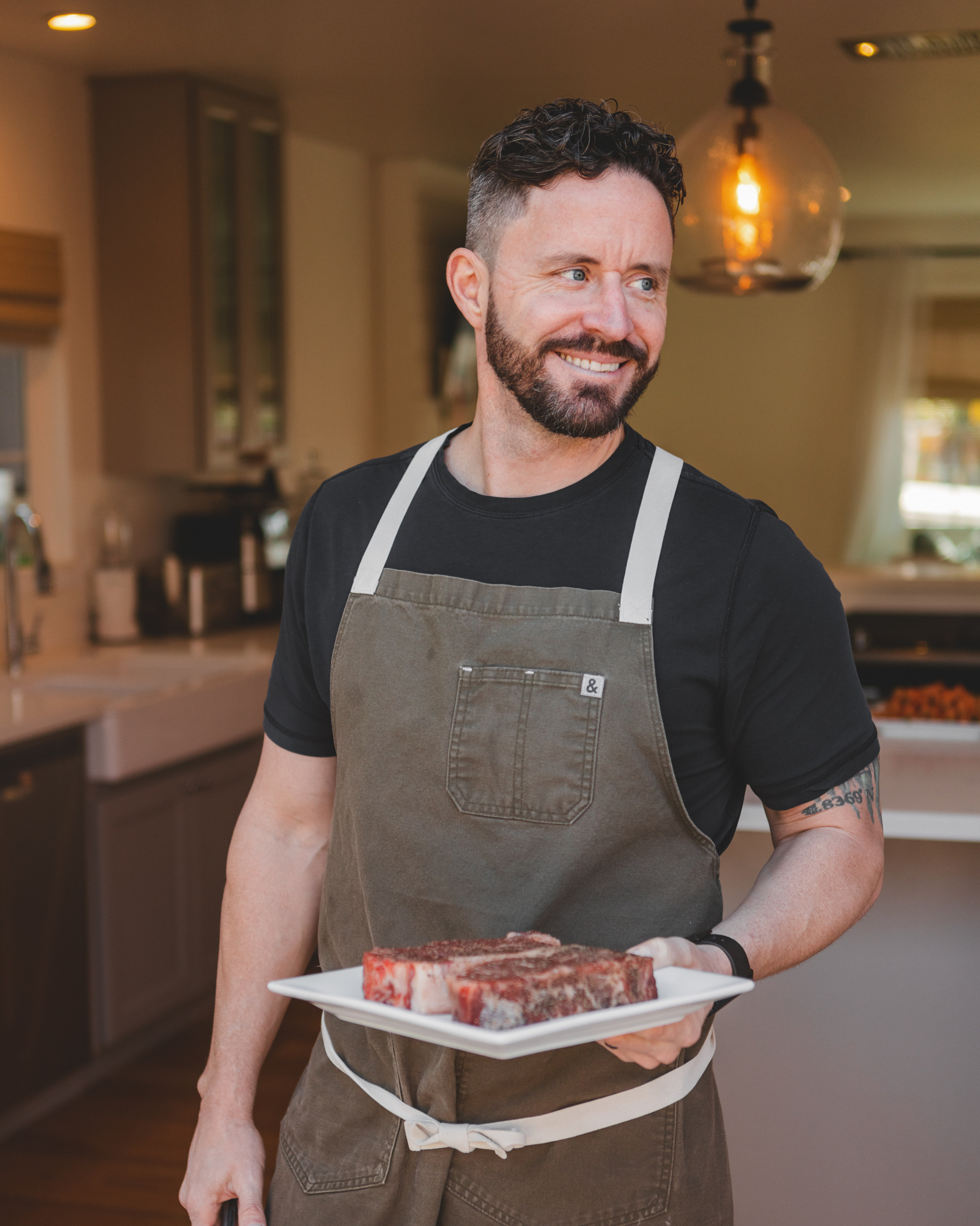
A wedding tasting is not simply a pleasant afternoon of sampling dishes. It is the moment when a menu becomes part of the celebration you are building: the pace of the evening, the feeling at the table, and the flavors guests may still talk about long after the last toast. This guide to wedding food tastings will help you arrive prepared, taste with purpose, and select a menu that feels distinctly like you.
Start With the Experience, Not Just the Entrée
Before the tasting, decide what you want guests to feel. A coastal garden wedding may call for bright, composed dishes and a relaxed flow of shared plates. A candlelit estate dinner might feel more natural with a refined plated menu, polished service, and a thoughtful progression from first course to dessert.
This does not mean every decision needs to be made before you sit down with your chef. In fact, a great tasting should help clarify decisions. But sharing your guest count, venue, service style, timeline, and overall atmosphere gives the culinary team the context to design something more meaningful than a collection of crowd-pleasing dishes.
Consider the full arc of hospitality. Will guests arrive hungry after a ceremony? Are cocktail hour bites expected to carry the first hour of conversation? Is dinner meant to feel celebratory and abundant, or intimate and composed? These details affect portioning, menu structure, staffing, and what will feel best on the day.
What to Bring to a Wedding Food Tasting
Come with the essentials: your venue details, estimated guest count, event schedule, dietary requirements, and a realistic sense of budget. If you have a planner, they can be especially helpful in identifying timing or logistical considerations that influence service.
It is also useful to bring your preferences, although not necessarily a long list of dishes copied from other weddings. Think in terms of ingredients, cuisines, and memories. Perhaps you love the clean salinity of local seafood, late-summer stone fruit, slow-braised meats, garden herbs, or the bright heat of Calabrian chile. Maybe a dish from an anniversary dinner or family gathering has a place in the menu story.
A chef can do more with a few well-chosen preferences than with a rigid recipe request. The goal is not to recreate a restaurant menu at a different address. It is to create food that suits your celebration, your guests, and the setting.
How to Taste Like a Host
The most useful question at a tasting is not, “Do I like this?” It is, “Will this be exceptional for our wedding?” A dish can be delicious in a quiet tasting setting and still be the wrong choice for an outdoor reception, a large guest count, or a warm September evening.
As you taste, pay attention to flavor, texture, temperature, and finish. Is the seasoning balanced? Does the dish have contrast, such as crispness against silkiness or acidity against richness? Does it feel satisfying without becoming heavy after a few bites? A menu should build gently across the meal rather than ask guests to navigate several rich courses in succession.
Think about how the courses relate to one another. A citrusy crudo might open beautifully into a tender short rib, but it may need a vegetable-driven intermediate course or a bright accompaniment to keep the meal feeling lifted. Modern coastal cuisine often works especially well for weddings because it brings freshness and visual elegance while still leaving room for warmth and indulgence.
Ask how each dish will be plated and served at your guest count. Some items are made for intimate, individually plated dinners. Others translate better to family-style service, stations, or passed bites. There is no universally superior format. The right choice depends on the level of formality, venue layout, and how much movement you want during the evening.
Look Beyond the Plate
Food is only one part of the tasting. The service plan matters just as much, particularly when you want to enjoy your own wedding rather than manage it.
Ask your catering team how they see the room working. Where will food be prepared? How will service staff move through the space? What happens if dinner begins later than planned? A seasoned chef and service team will have clear answers, along with contingency plans that protect the guest experience without making the evening feel overly choreographed.
Pay attention to the team’s questions, too. Do they ask about the terrain at your venue, available kitchen access, rental needs, guest mobility, and ceremony timing? These are signs that they are thinking beyond the food itself. Excellent wedding catering is equal parts culinary craft and quiet logistical precision.
For an at-home or private-property celebration, this level of planning becomes even more valuable. The right team can transform a familiar space into an elegant dining environment while handling setup, service, and cleanup with discretion. The host should be able to greet guests with a glass in hand, not worry about chafing dishes or kitchen traffic.
Make Room for Dietary Needs Without Diluting the Menu
Dietary accommodations deserve care, but they do not have to make the menu feel fragmented. Share allergies and restrictions early, including the difference between a preference and a medical need. This gives the chef time to develop dishes that are equally thoughtful, not merely acceptable substitutions prepared at the last minute.
A well-designed menu often has flexibility built into it. A seasonal vegetable course can be naturally gluten-free. A vibrant plant-forward entrée can stand on its own rather than imitate a meat dish. Thoughtful choices like these allow every guest to feel included while keeping the menu cohesive.
Be practical about guest communication. If you are offering a choice of entrées, establish a clear deadline and method for collecting selections. For a family-style or chef’s-table format, ensure the service team knows where guests with allergies are seated. The details may seem small now, but they create confidence when the room is full.
Ask the Questions That Protect Your Investment
A tasting is the appropriate time to discuss what is included, not after a menu has been selected. Confirm the service format, staffing levels, rentals, bar coordination, cake service, late-night bites, gratuity, and any venue-specific fees. If you are comparing proposals, make sure you are comparing the same level of service.
It is also wise to ask about seasonal availability. The finest ingredients are not always consistent year-round, and a chef may recommend a seasonal adjustment that improves both flavor and presentation. Holding too tightly to one exact ingredient can sometimes limit the menu. Holding onto the feeling you want the dish to create gives the chef more room to deliver something memorable.
If something at the tasting is not quite right, say so clearly and graciously. Perhaps you want more brightness in a sauce, less heat in a garnish, or a different balance between two courses. A tasting is a collaboration, and precise feedback is far more useful than polite agreement.
Trust the Menu You Can Picture in the Room
The best wedding menu is rarely the most complicated one. It is the one that feels natural in your setting and generous to your guests. It reflects your taste without asking everyone at the table to share the same adventurous palate. It leaves room for conversation, dancing, and a second glass of wine.
At Flavor Affinity, we approach tastings as the beginning of that hospitality plan. Every course is considered in the context of the event, from the first passed bite to the final dessert, with an eye toward flavor harmony and relaxed, polished service.
When the tasting is finished, give yourselves a moment before deciding. Review your notes, remember how the food made you feel, and picture the people you love enjoying it together. Choose the menu that makes the celebration feel effortless - because on your wedding day, the most memorable hospitality is the kind you never have to think twice about.


Comments