


A Guide to Wedding Reception Menus That Feel Personal
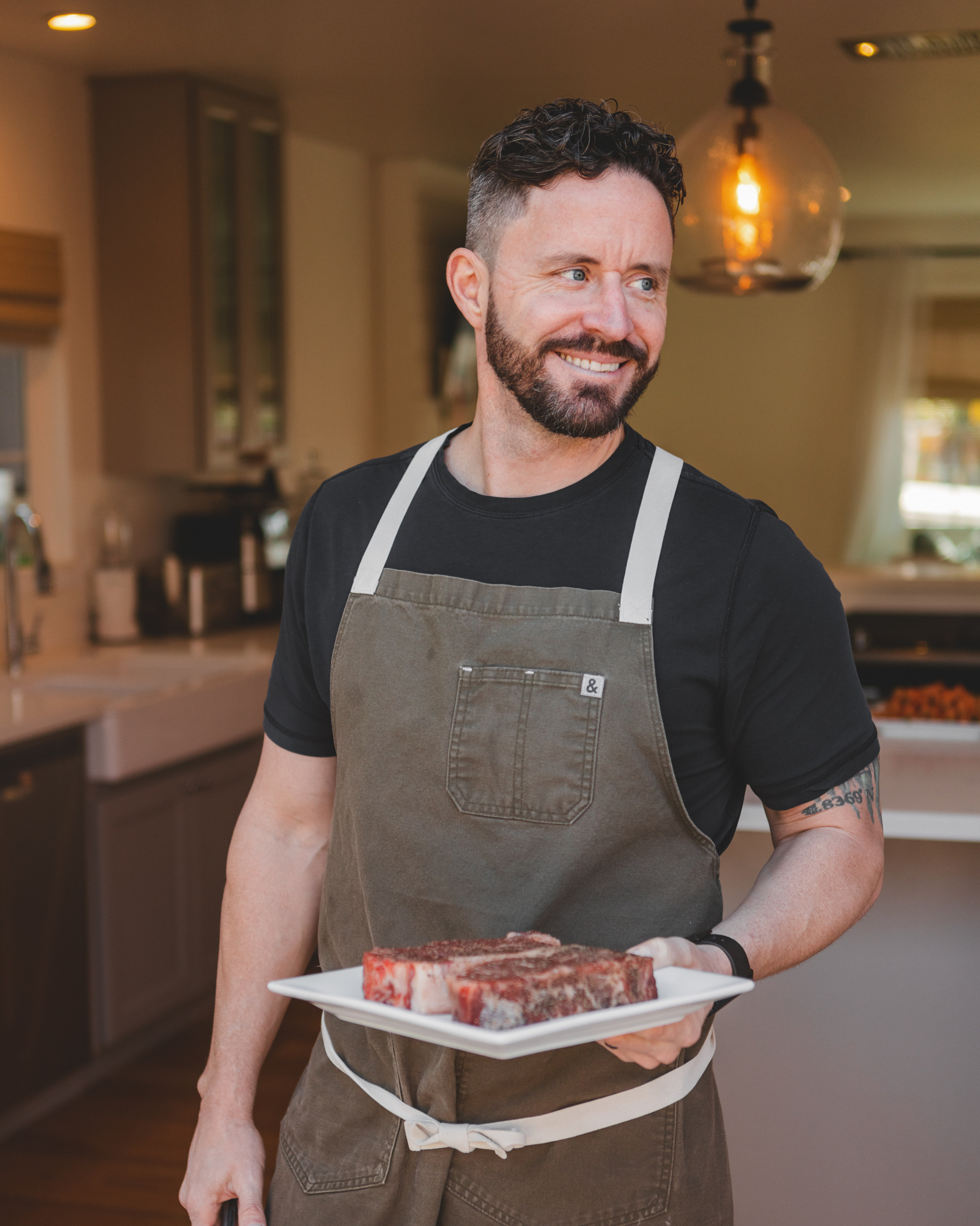
The most memorable wedding meals rarely begin with a trend. They begin with a feeling: the sunset over the coast, a favorite date-night dish, the way you want guests to settle in and celebrate together. This guide to wedding reception menus is designed to help you translate that feeling into a meal that is elegant, generous, and effortless to enjoy.
A reception menu does more than feed a room. It sets the pace of the evening, gives guests a sense of place, and creates moments they will remember long after the last toast. The right approach balances personal taste with practical hospitality, so every course feels considered without making the celebration feel overproduced.
Start With the Experience, Not the Entrée
Before selecting proteins or debating plated versus buffet service, decide how you want the reception to feel. A formal seated dinner creates a natural rhythm for speeches, wine service, and an unhurried evening. Family-style dining feels abundant and social, encouraging guests to pass platters and connect across the table. Stations and small plates create movement, energy, and a more relaxed flow.
There is no universally best format. A 40-person garden wedding may feel beautifully intimate with a multi-course plated dinner, while a 150-person coastal celebration may benefit from chef-attended stations that keep the evening lively. The venue, guest count, timeline, and season all matter.
Think about these questions early:
Do you want dinner to be a centerpiece of the night or a flexible part of a party-forward reception?
Will guests be seated for most of the evening, or moving between indoor and outdoor spaces?
Are there meaningful cultural dishes, family recipes, or travel memories worth bringing to the table?
What do you want guests to say about the meal the next day?
Those answers provide a clearer direction than a generic list of wedding foods ever could.
Build a Wedding Reception Menu Around the Setting
In North County San Diego, the setting often deserves a place on the plate. A menu for an ocean-view estate can lean into clean coastal flavors, local produce, citrus, herbs, and seafood prepared with restraint. A private home celebration may call for a more intimate menu, such as a refined dinner-party progression with thoughtful wine pairings and tableside finishing.
Seasonality is not simply a culinary preference. It affects flavor, presentation, and value. Spring menus can highlight English peas, fava beans, tender greens, strawberries, and delicate herbs. Summer invites stone fruit, tomatoes, sweet corn, grilled vegetables, and bright Mediterranean accents. Fall and winter allow for richer sauces, squash, wild mushrooms, braised meats, and warming spices.
That does not mean every item must be local or strictly seasonal. A couple may have a favorite ingredient that belongs in the menu regardless of the calendar. The goal is to let the season guide the meal while making room for dishes that feel personal.
Create Contrast Across Courses
A polished menu has movement. If cocktail hour includes rich passed bites, the first course should bring freshness and lift. If the main course features a deeply savory braise or grilled steak, pair it with vegetables, grains, or sauces that offer acidity and texture. Dessert should feel like a fitting finish, not an obligation after an already heavy meal.
For example, a modern coastal menu might begin with yellowtail crudo with citrus and avocado, move into a shaved seasonal vegetable salad, and continue with herb-roasted chicken or miso-glazed black cod alongside market vegetables. A citrus olive oil cake with berries and crème fraîche offers a clean, celebratory finish.
The specific dishes can change, but the principle remains: each course should have a reason to follow the one before it.
Choose Service That Supports Your Timeline
Service style has a direct impact on the guest experience. It also influences staffing, rentals, table layout, and how smoothly the reception moves from cocktails to dinner to dancing.
A plated dinner offers the most formal presentation and reliable portioning. It works especially well when speeches are planned between courses or when the couple wants a composed, restaurant-caliber meal. Its trade-off is timing: large guest counts require a well-coordinated kitchen and service team to ensure every table is served at the proper temperature.
Family-style service is warm, generous, and visually inviting. Shared platters can make a reception feel less formal without sacrificing sophistication, particularly when menus include carved meats, whole roasted fish, seasonal vegetables, and composed side dishes. It requires enough table space and staff attention to replenish food gracefully.
Buffet service can be an excellent choice when it is designed with care. The difference between an elevated buffet and a rushed one is pacing, presentation, and flow. Multiple access points, well-considered portions, and chef-attended elements prevent long lines and keep the experience polished.
Stations are ideal for couples who want the party to remain in motion. A raw bar, hand-rolled pasta station, live-fire carving board, or taco station can feel luxurious when it is focused and executed with precision. Too many stations, however, can leave guests unsure where to begin and can dilute the menu’s point of view.
Make Dietary Needs Part of the Design
The best wedding menus do not treat dietary accommodations as an afterthought. Guests who are vegetarian, vegan, gluten-free, dairy-free, or managing allergies should receive a meal that feels intentional, not a lesser version of the main course.
Rather than adding one separate plate at the end of planning, incorporate flexibility from the start. A vegetable-forward first course may naturally work for nearly everyone. A thoughtfully composed plant-based entrée, such as grilled cauliflower with lentils, seasonal vegetables, and a vibrant herb sauce, can be every bit as satisfying as a meat or seafood selection.
For severe allergies, clarity matters as much as creativity. Share requirements early, confirm them with the culinary team, and ensure the service staff knows exactly which guests need special meals. A beautiful reception should also feel safe and welcoming.
Be Strategic About Menu Variety
More options are not always more generous. A tightly edited menu generally feels more refined, tastes better, and moves through service more smoothly than a sprawling selection of unrelated dishes.
For a plated dinner, two entrée choices plus a strong vegetarian or vegan option are usually sufficient. For family-style or buffet service, offer complementary choices rather than competing ones: perhaps one meat, one seafood or plant-forward centerpiece, several substantial sides, and a composed salad.
Cocktail hour is where variety can shine. Guests appreciate a mix of warm and chilled bites, familiar flavors and a few unexpected details. A crisp potato croquette, ahi tartare on sesame crisp, grilled prawn with preserved lemon, or seasonal vegetable tartlet can establish the culinary tone before dinner begins.
Consider the full evening when making selections. If late-night food is part of the plan, keep it simple and craveable. A petite burger, truffle fries, wood-fired flatbread, or a comforting chef-made snack can be a welcome return after hours of dancing.
Let the Budget Shape Priorities, Not Limit Taste
A thoughtful menu is not defined by the most expensive ingredient. It is defined by technique, timing, quality sourcing, and the confidence to choose dishes that suit the occasion.
If your budget has room for one standout moment, decide where it matters most. For some couples, that is a dramatic raw bar at cocktail hour. For others, it is a beautifully plated main course, custom dessert presentation, or exceptional wine service. Investing in too many premium elements at once can make the menu feel unfocused and strain resources that also affect guest comfort, such as staffing, rentals, and bar service.
Menu choices should also be realistic for the venue. A private property without a full kitchen may call for dishes that hold well and finish beautifully on site. A skilled chef can create an exceptional meal in almost any setting, but the menu should respect the space rather than fight it.
Taste for More Than Flavor
A tasting is your opportunity to assess the whole experience. Of course, flavor comes first. Notice seasoning, texture, temperature, and portion size. But also consider how the courses work together, whether the presentation fits your style, and how the meal will feel after an evening of cocktails and celebration.
Bring honest feedback, but avoid trying to turn a tasting into a final rehearsal for every small detail. The most productive conversations focus on the guest experience: a sauce you want brighter, a vegetable you would like to see in season, an entrée that needs more visual contrast, or a family favorite that could be interpreted with a chef’s touch.
Chef Jason Baker and the Flavor Affinity team approach menu planning as part of the hospitality design, pairing modern coastal cuisine with the service style and atmosphere each couple wants to create.
A wedding reception menu should feel like an invitation to linger. Choose food that reflects your story, service that lets guests relax, and a pace that leaves room for conversation, toasts, and joy. When those details come together, dinner becomes more than a scheduled part of the evening. It becomes one of the ways your celebration is remembered.


Comments