


Can Private Chefs Cook Outdoors? What to Expect
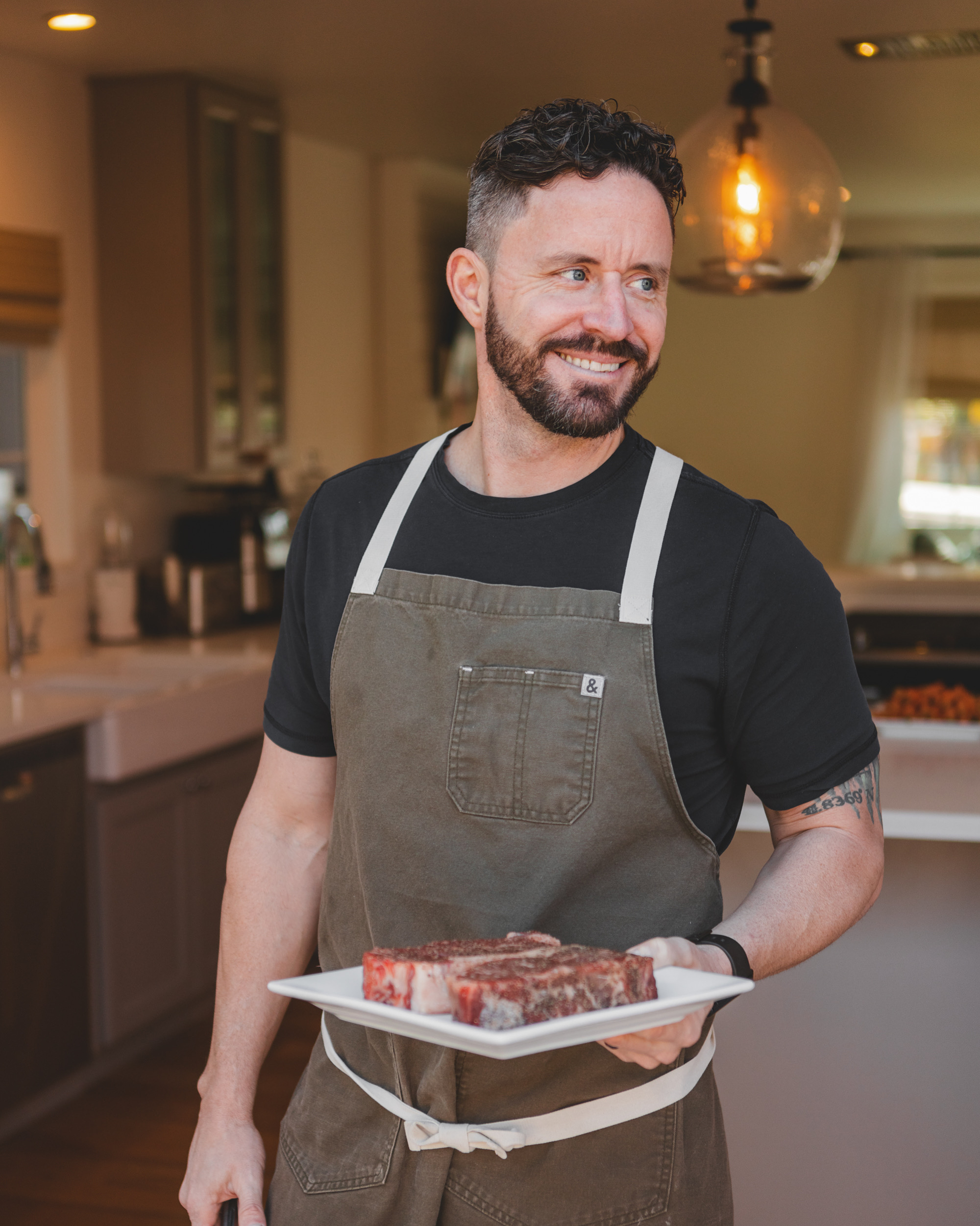
A sunset dinner on the patio should feel like a celebration, not a second job for the host. So, can private chefs cook outdoors? Absolutely. With the right setup, an outdoor space can become a remarkably polished setting for chef-led dining, from a relaxed family gathering in Encinitas to a wedding reception overlooking the coast.
The experience is not simply a matter of bringing a grill outside. A professional private chef considers the flow of the space, available utilities, the menu, guest comfort, food safety, and a practical weather plan. When those details are thoughtfully handled, hosts are free to enjoy the evening while dinner arrives with the same care and timing expected from a refined restaurant.
Can Private Chefs Cook Outdoors for Any Occasion?
Outdoor cooking works beautifully for more than casual barbecues. It can suit an intimate anniversary dinner, a milestone birthday, a backyard wedding, a corporate gathering, or a vacation-home meal with family and friends. The format depends on the occasion. A seated multi-course dinner calls for a different layout and service rhythm than a reception with passed canapés, a live-fire station, and composed small plates.
For coastal San Diego entertaining, outdoor dining has a natural advantage. The light lingers, the evenings invite guests to gather, and a well-designed menu can feel closely connected to the setting. Think grilled local fish with citrus and herb oil, wood-fired seasonal vegetables, chilled summer soups, handmade pasta finished to order, or a composed dessert that arrives just as the air begins to cool.
That said, not every outdoor event requires every dish to be cooked outdoors. Often, the best result comes from a hybrid approach. A chef may use the indoor kitchen for precise preparation and finishing, while grilling, plating, or a signature course takes place outside. This protects the quality of delicate sauces, temperature-sensitive ingredients, and detailed presentation without losing the theater of outdoor cooking.
What an Outdoor Private Chef Setup Looks Like
A skilled chef begins with the environment rather than forcing a standard service into an unfamiliar space. Before the event, the chef will assess the cooking area, kitchen access, counter space, power, water, lighting, parking, and the route between preparation and the table. A gracious dinner depends on these small considerations being anticipated in advance.
A patio with a dependable grill and a nearby kitchen may be ideal for an interactive menu built around seafood, prime meats, and seasonal produce. A garden setting without much built-in equipment may call for portable induction burners, prep tables, insulated holding equipment, and a carefully chosen menu designed to travel and finish beautifully. At a larger venue, the culinary team may establish dedicated areas for preparation, hot service, cold service, dishware, and guest-facing cooking.
The goal is not to fill your home or venue with visible equipment. It is to create an efficient working kitchen behind the scenes so the guest experience feels composed and unhurried. With thoughtful planning, even a modest backyard can feel intimate, elevated, and intentional.
The Menu Should Be Designed for the Setting
Outdoor menus are at their best when they embrace the strengths of live fire, fresh air, and seasonality. Mediterranean and Asian influences are especially at home here: charred prawns with chili and lemon, miso-glazed vegetables, grilled stone fruit, crisp salads, citrus-marinated chicken, and market fish finished over open flame.
Still, a chef should not select dishes solely because they sound dramatic outdoors. Some foods are more forgiving in wind or warm weather than others. Crisp-skinned fish, for example, needs careful timing. Delicate garnishes can wilt quickly in direct sun. A dessert with a soft cream component may be better plated inside and served promptly. The menu should be beautiful, but it must also perform well in real conditions.
This is where chef ownership makes a difference. Rather than choosing from a fixed package, guests can shape a menu around their preferences, dietary needs, and the character of the event. A casual surf-and-turf dinner, a plant-forward garden menu, and a formal wedding meal can all be designed with the outdoor setting in mind.
Weather Is Part of the Plan, Not an Afterthought
Even in Southern California, outdoor entertaining requires a backup plan. Wind, marine layer, an unexpected chill, and rare rain can change the comfort of an event quickly. A professional chef will discuss these possibilities before menus are finalized, not while guests are arriving.
Shade during warm daytime events, lighting after sunset, heaters for cool evenings, and a clear transition indoors are all worth considering. The ideal contingency plan does not feel like a disappointment. If weather shifts, dinner should still feel intentional, whether the meal moves under a covered patio, into a dining room, or to an alternate service layout.
Wind deserves particular attention near the coast. It affects flames, linens, candles, lightweight decor, and plating. A chef may adapt by choosing protected cooking positions, using stable serviceware, and favoring dishes that retain heat and structure. These adjustments are practical, but they preserve the relaxed elegance guests notice most.
Food Safety and Service Still Come First
Outdoor dining can feel casual, but professional standards should remain exacting. Cold ingredients need controlled temperatures, hot food needs to be held and served safely, and raw proteins must be handled separately from ready-to-eat dishes. A private chef brings the knowledge and equipment to manage these details without making the event feel clinical or overproduced.
Timing is equally important. The longer a plate waits in warm weather, the more its texture and temperature can suffer. For this reason, an outdoor dinner may be paced in smaller, well-timed courses rather than sending every plate out at once. It feels more luxurious, and it allows each course to arrive at its best.
For larger celebrations, service staff can be just as valuable as culinary support. They refresh beverages, clear plates, guide the flow of dinner, and respond to guests while the chef focuses on the food. The host is not asked to monitor ice, answer kitchen questions, or disappear halfway through the evening to wash serving platters.
What Hosts Can Do Before the Chef Arrives
The most helpful thing a host can provide is an honest picture of the space. Photos of the patio, grill, kitchen, dining area, and access points help a chef plan with confidence. It is also useful to share the guest count, event timing, dietary needs, parking limitations, and whether the gathering is intended to feel formal, family-style, or casually interactive.
If you have a favorite grill, pizza oven, or outdoor bar, mention it early. Those features can inspire the menu, but they should be inspected as part of the planning process. Not all home equipment heats consistently, and an experienced chef will know whether it is suitable for the dishes you have in mind.
For events with amplified music, open flames, tents, or expanded rentals, homeowners should also check local venue rules, neighborhood restrictions, and any relevant permits. A chef can help identify practical needs, but property-specific approvals usually belong with the host or venue coordinator.
Outdoor Dining, Made Effortless
The real luxury of hiring a private chef outdoors is not just the aroma of something sizzling on the grill. It is the freedom to be present. You can welcome guests at the door, linger over a glass of wine, and stay at the table for the stories that unfold after dessert.
Flavor Affinity approaches outdoor dining as a complete hospitality experience, pairing modern coastal cuisine with French technique and a menu that belongs in your space. Whether the setting is a quiet backyard, a coastal rental, or a celebration under the stars, the best plan leaves room for the one thing no host should have to schedule: enjoying your own party.


Comments