


A Guide to Chef Curated Menus for Your Event
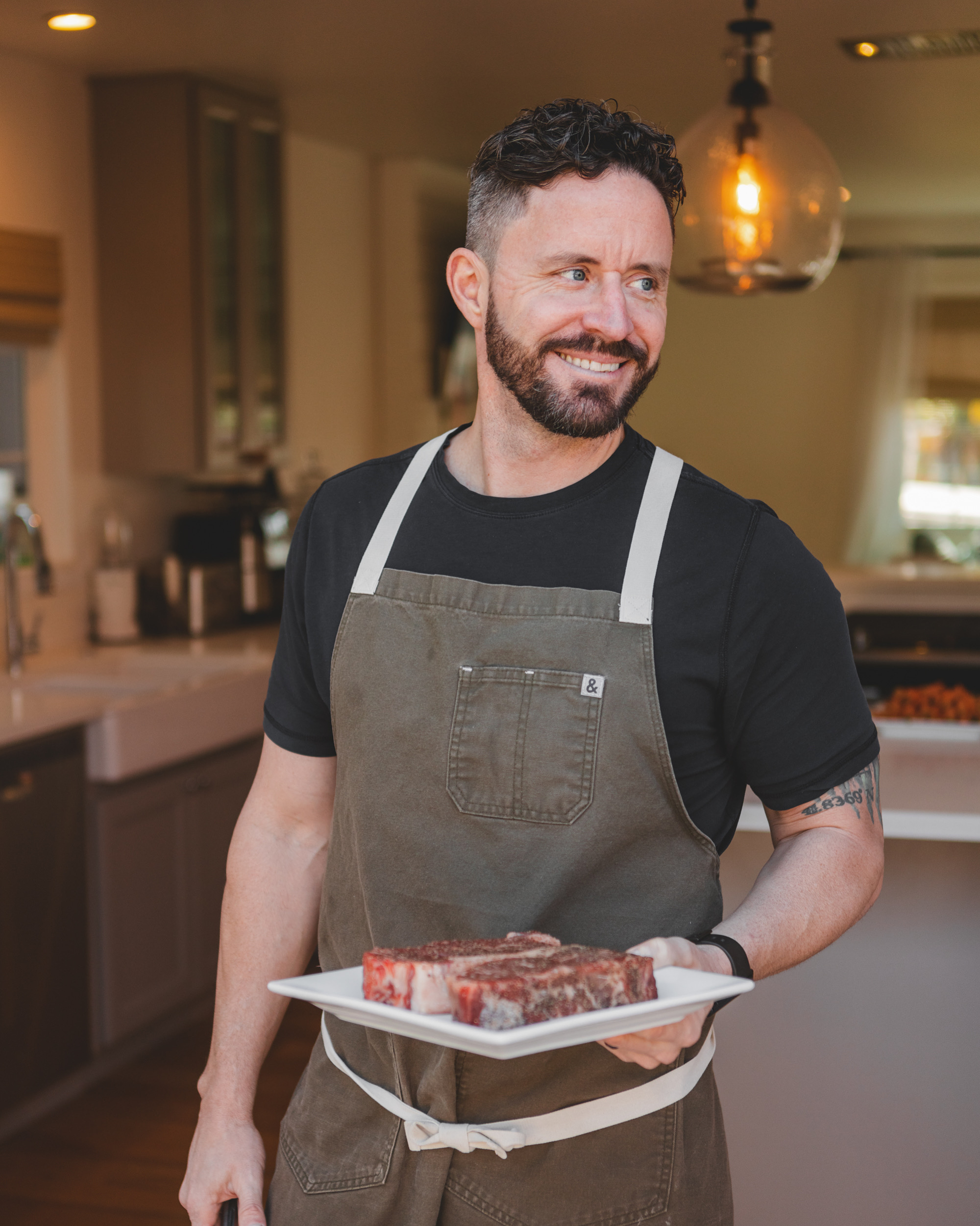
The best dinner parties do not leave the host plating entrées while everyone else settles in with a glass of wine. They create room for conversation, celebration, and the pleasure of being together. This guide to chef curated menus explains how a thoughtful menu turns an ordinary gathering into a dining experience that feels personal, polished, and completely at ease.
A chef-curated menu is more than a list of dishes. It is a considered progression of flavors, textures, temperatures, and visual moments, built around the people at the table and the reason they have gathered. Whether you are hosting an intimate anniversary dinner in Encinitas, a family milestone, or a client-facing corporate event, the menu sets the pace for the entire occasion.
What Makes a Chef-Curated Menu Different?
Restaurant menus are designed to serve many guests, many preferences, and many evenings at once. A chef-curated menu is designed for one occasion. The chef considers your guest count, the season, dietary needs, setting, service style, and the feeling you want guests to carry home.
That difference shows up in the details. A bright crudo may open a warm-weather dinner with citrus, herbs, and a clean coastal note. A composed salad can bring acidity and texture before a richer main course. A slow-roasted protein may arrive with a silky purée, market vegetables, and a sauce that ties the plate together rather than simply filling space.
The goal is not to make every course elaborate. It is to make every course intentional. A menu should have contrast without confusion and refinement without feeling overly formal. French technique may shape the foundation, while Mediterranean brightness or Asian-inspired depth brings a sense of place and personality to the meal.
Start With the Occasion, Not the Entrée
Many hosts begin by asking what they should serve. A better first question is how they want the evening to feel.
For a birthday dinner, guests may want a celebratory arrival, a dramatic shared course, and a dessert that gives everyone a reason to linger. For a wedding weekend gathering, the menu may need to feel elevated while still accommodating a broad range of ages and appetites. An executive dinner often calls for gracious pacing, dishes that are easy to enjoy while conversing, and service that remains present without interrupting the room.
Your setting matters, too. An ocean-view patio lends itself to lighter preparations, passing hors d’oeuvres, and a menu that makes the most of Southern California produce. A candlelit dining room can support a more intimate, coursed experience. For a casual family celebration, family-style service can create abundance and connection without sacrificing the quality of the food.
A skilled chef uses these signals to shape the menu before selecting a centerpiece ingredient. The result feels natural to the event rather than copied from a standard package.
Consider Your Guests Before Choosing Favorites
Personal taste should guide the menu, but guest comfort should inform it. Let your chef know about allergies, dietary restrictions, children at the table, pregnancy-related considerations, and guests who may prefer familiar flavors. These details are not an inconvenience. They are part of good hospitality.
Customization does not mean preparing an entirely different dinner for every guest. Often, it means choosing dishes with smart flexibility. A vegetarian guest might receive a thoughtfully composed seasonal entrée instead of a side dish presented as a substitute. A gluten-free preparation can be integrated into the menu from the start, preserving the same level of care and presentation.
It also helps to share your group’s general dining style. Are your guests adventurous? Do they love seafood? Is this a table of serious wine drinkers, or a relaxed crowd that wants generous, comforting food? The clearer the picture, the more confidently the chef can build a menu with the right balance.
How a Chef-Curated Menu Takes Shape
A well-designed menu has a rhythm. Each course should prepare the palate for what follows, not compete with it.
The opening bite or passed appetizer should be flavorful enough to create anticipation without overwhelming the first course. Think of a crisp seasonal vegetable, delicate seafood, or a savory pastry with a bright finishing element. It gives guests something to enjoy as they arrive and lets the room settle into the evening.
The first seated course often brings freshness and lift. This might be a market salad with ripe fruit, tender greens, toasted nuts, and a balanced vinaigrette, or a refined seafood preparation with citrus and herbs. From there, the menu can move toward deeper flavors and warmer textures.
The main course is the anchor, but it should not carry the entire experience alone. A perfectly cooked fish may benefit from a rich yet restrained sauce and vibrant vegetables. A beef or lamb dish might be balanced by a bitter green, pickled accent, or herb-forward garnish. The finest plates make each component feel necessary.
Dessert is the final note, not an afterthought. A citrus-forward ending can feel right after a rich dinner, while chocolate, stone fruit, or a warm baked dessert may suit a more indulgent celebration. The chef may also recommend petite sweets with coffee or after-dinner drinks for guests who want to continue the conversation.
Use Seasonality as a Creative Advantage
Seasonal ingredients give a menu energy. They are often at their best in flavor, appearance, and texture, and they allow a dinner to feel connected to the time and place where it is being served.
In San Diego’s coastal climate, that might mean sweet local citrus and tender greens in cooler months, spring peas and herbs as the weather warms, sun-ripened tomatoes in summer, or squash, mushrooms, and richer braises in fall. Seasonality does not require a menu to be rustic. It gives a chef better raw material for a more refined result.
There is a practical benefit as well. A menu built around ingredients at their peak is usually more reliable than one that depends on a hard-to-source item from outside its natural season. If you have a must-have dish, a chef can often honor the spirit of it while guiding you toward the version that will taste best for your event date.
Share the Details That Help Your Chef Personalize
A menu consultation becomes more productive when the chef has a clear sense of the event. Start with the date, location, guest count, and preferred service style. Then share the reason for the gathering, the mood you want to create, dietary needs, and any foods your group especially loves or dislikes.
It is also useful to discuss practical details early. Will there be a full dining table, a patio setup, or a more fluid cocktail-style format? Do you want wine pairings or a signature cocktail? Is dinner meant to be the centerpiece of the evening, or part of a larger celebration with speeches, music, or activities?
These choices affect pacing. A four-course seated dinner may be ideal for twelve guests celebrating a milestone. For a larger gathering, passed appetizers followed by a chef-attended station or family-style meal may create a more relaxed flow. Neither approach is inherently better. The right one depends on how you want guests to move through the space and spend time together.
Avoid the Most Common Menu Missteps
The most frequent mistake is trying to include too much. A menu with several rich courses, competing global flavors, or an excessive number of choices can feel disjointed. Guests remember a meal for its balance and sense of occasion, not for the number of ingredients listed on a card.
Another misstep is treating dietary needs as a late addition. When those needs are discussed from the beginning, the chef can create a cohesive experience for every guest. Finally, avoid choosing dishes only because they sound impressive. The most successful menus suit the setting, the season, and the people around the table.
A chef’s guidance is especially valuable here. Great cooking requires creativity, but great hospitality also requires editing. Sometimes the most luxurious choice is a focused menu with exceptional ingredients, confident technique, and enough breathing room for each course to be enjoyed.
Let the Menu Make Hosting Feel Easy
A private chef experience gives hosts something rare: the ability to be fully present. Instead of shopping, cooking, timing courses, clearing plates, and worrying about the kitchen, you can greet your guests and enjoy the celebration as it unfolds.
At Flavor Affinity, menu development begins with the experience you want to create, then builds toward flavors that feel distinctive, seasonal, and welcoming. The final menu should reflect your taste while giving guests the comfort of knowing they are in capable hands.
When choosing a chef-curated menu, trust the details that make a meal feel considered: a favorite ingredient woven into a course, an accommodation handled gracefully, a final dessert served at exactly the right moment. Those are the touches that turn dinner into a memory your guests continue talking about long after the table is cleared.


Comments