


Your Guide to Chef Hosted Dinners at Home
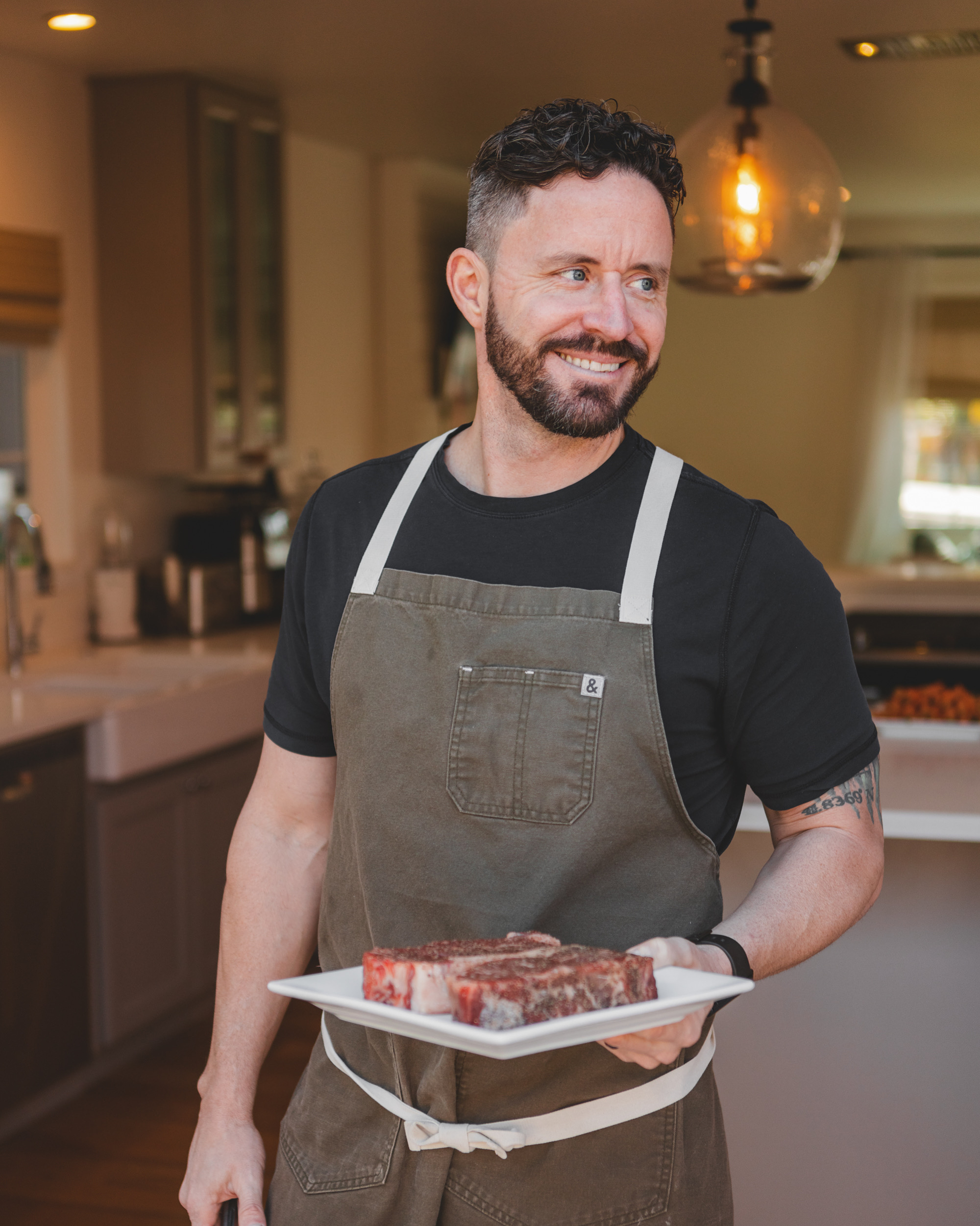
A memorable dinner party rarely comes down to one impressive dish. It is the feeling of arriving to a beautiful table, settling into easy conversation, and being served course by course without anyone disappearing into the kitchen. This guide to chef hosted dinners explains how to create that experience in your own home, with the polish of a fine restaurant and the comfort of gathering where you know everyone belongs.
A chef-hosted dinner is especially well suited to milestone birthdays, anniversaries, intimate wedding celebrations, client dinners, and evenings when the guest list matters as much as the menu. Rather than reserving a private room and working around a restaurant's schedule, you set the setting, the pace, and the guest experience.
What Makes a Chef-Hosted Dinner Different?
A private chef dinner is not simply catered food delivered to the house. The chef develops a menu around the occasion, sources and prepares the ingredients, cooks on-site, plates each course, and manages the flow of service. Depending on the format, a service team may also handle wine service, table clearing, and the quiet details that keep the evening moving.
That distinction matters because the best part of hosting is often being present. You can greet guests with a drink, remain at the table through dinner, and enjoy the same final course everyone else receives. There is no last-minute scramble over pan space, no stack of plates waiting at the end of the night, and no need to choose between cooking and conversation.
For coastal San Diego gatherings, the setting can become part of the menu. An Encinitas dining room, garden patio, ocean-view terrace, or vacation home can all support an elevated meal when the food, table, and service are designed for the space. The goal is not to turn your home into a formal restaurant. It is to make your home feel like its most welcoming, beautifully considered version.
A Guide to Chef Hosted Dinners: Start With the Occasion
Before discussing dishes, decide what you want the evening to feel like. A celebratory anniversary may call for a candlelit, plated multi-course dinner with restrained service. A family milestone may be better as a relaxed shared-table meal, where platters of seasonal fish, grilled vegetables, and composed salads encourage guests to linger.
Guest count influences far more than the quantity of food. An eight-person dinner can feel highly tailored, with intricate plating and more interaction with the chef. A group of 20 may benefit from a family-style opening course, followed by a refined plated entrée. Neither is inherently better. The right format depends on the room, the reason for gathering, and whether you want the evening to feel intimate, lively, or somewhere in between.
It also helps to name the nonnegotiables early. Perhaps a guest is vegan, someone has a shellfish allergy, or the host wants a menu built around a favorite Napa Cabernet. These details are not inconveniences when shared in advance. They are the foundation of thoughtful menu design.
Build a Menu Around Season, Not a Script
The strongest private-dining menus have a point of view, but they should not feel rigid. A chef may begin with modern coastal cuisine and bring in French technique, Mediterranean brightness, or an Asian accent where it serves the ingredient. Think local citrus lifting a crudo course, a carefully prepared sauce alongside a pristine piece of fish, or charred seasonal vegetables given equal attention to the protein.
When reviewing menu ideas, ask about balance rather than requesting only the richest or most familiar dishes. A composed dinner benefits from contrast: something bright and fresh to begin, a warm course with depth, a main course that feels generous without becoming heavy, and a dessert that ends the meal with clarity.
A typical progression might include passed bites or a small first course, a seasonal salad or seafood course, an entrée, and dessert. Additions such as an amuse-bouche, handmade pasta, or a cheese course can be lovely, but more courses are not automatically more luxurious. A well-paced three-course dinner can feel more elegant than a five-course menu rushed through in two hours.
Wine pairings are another decision worth making with intention. Pairings can elevate a menu, particularly for a smaller celebratory dinner, but they are not required for a sophisticated evening. A welcome sparkling wine, two thoughtfully chosen bottles for the table, and a nonalcoholic option may better suit a casual gathering. The best approach reflects your guests, not a rulebook.
Prepare the Space for Service
Your home does not need a commercial kitchen or a formal dining room. A capable private chef can work in many settings, provided there is a functional prep area, reliable access to water and power, and enough room to plate and serve safely. A site visit or a detailed conversation before the event helps identify what is needed.
Focus your attention where guests will spend time. Clear the dining table, make space for glassware, and keep the path from kitchen to table open. If dinner is outdoors, consider the temperature after sunset, lighting near the table, and a backup plan for wind or rain. Small adjustments, such as adding votive candles or moving a side table, can have a meaningful effect on the atmosphere.
You do not need to overdecorate. Fresh flowers, linen napkins, and warm light are often enough. The food should feel like the center of the table, not compete with an elaborate theme.
Confirm the Details That Protect the Evening
A polished experience is built well before guests arrive. Share the final guest count and dietary information by the agreed deadline. Confirm the arrival window, meal start time, parking access, and any building or community rules that could affect load-in. If you are renting tables, linens, glassware, or additional chairs, make sure those items arrive before the culinary team needs the space.
It is also wise to discuss what is included. Some chef-hosted dinners are designed as an all-inclusive service with staffing, rentals, and cleanup coordinated for you. Others focus on the menu and chef service, with rentals or beverage service arranged separately. The trade-off is simple: a more comprehensive service reduces your coordination, while a more limited format can be ideal for hosts who already have a favorite rental partner or a well-stocked home bar.
Be direct about the budget, too. A good chef can make smart recommendations once the priorities are clear. Premium seafood, dry-aged beef, specialty imported ingredients, extensive staffing, and custom rentals all affect the final investment. Knowing where you want to indulge helps shape a menu that feels generous and intentional rather than compromised.
Let the Night Have Its Own Rhythm
On the day of the dinner, your job should be remarkably light. Set out any personal serving pieces you want used, point out the kitchen essentials, and then let the culinary team work. If you have a toast, presentation, or surprise dessert planned, mention it before guests arrive so it can be folded naturally into the timeline.
Avoid packing the schedule too tightly. Guests may arrive a little late, conversations may run long, and a great table rarely benefits from being hurried. Allow space between courses, particularly if wine is being served or the dinner includes speeches. Fine dining at home should feel composed, never choreographed to the minute.
The chef's presence can be as interactive as you prefer. Some hosts enjoy hearing about the ingredients and techniques behind each course. Others prefer discreet service that keeps the focus on the guests. Both can be exceptional. Establish the tone beforehand, then allow the evening to unfold.
Choose the Right Partner for the Experience You Want
Look for a chef whose food feels aligned with your occasion, but also pay attention to how they plan. Clear questions about your guest list, home, preferences, and timing signal a hospitality-minded approach. Beautiful food is essential; calm, organized service is what allows it to be enjoyed.
Flavor Affinity approaches private dinners as a complete guest experience, pairing chef-driven coastal menus with the thoughtful execution that lets hosts stay at their own table. Whether the occasion calls for an intimate tasting menu or a relaxed celebration shared over seasonal dishes, the most successful dinner is the one that feels personal from the first bite to the final farewell.
The lasting impression will not be that every detail was perfect. It will be that everyone felt cared for, the table stayed full of conversation, and you were there to enjoy it all.


Comments