


Custom Seasonal Tasting Menu for Private Dining
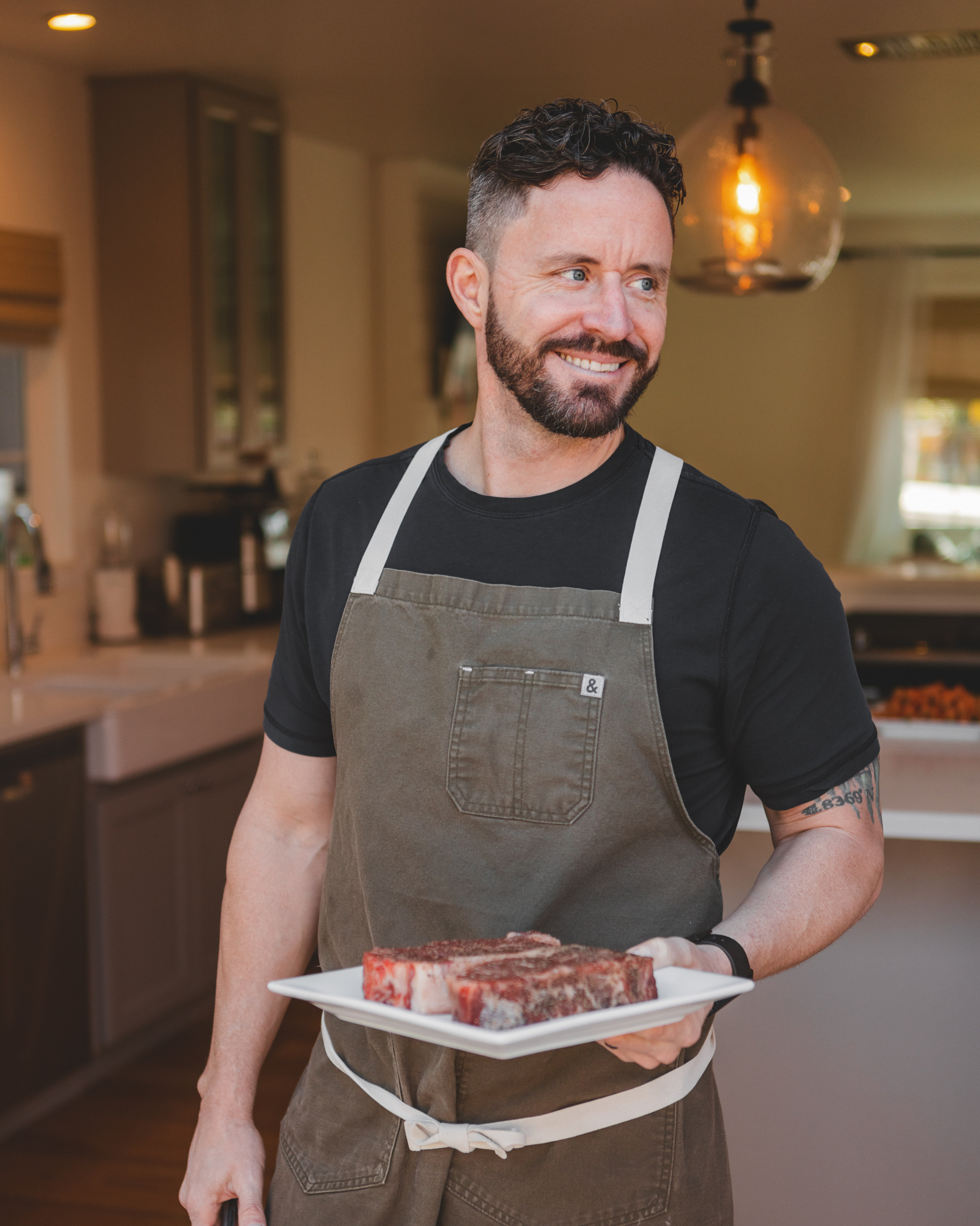
A custom seasonal tasting menu is not simply a collection of beautiful courses. It is a dinner designed to make a specific evening feel considered from the first welcome bite to the final pour of dessert wine. For a birthday in Encinitas, a coastal anniversary dinner, or an intimate gathering with clients, the menu should reflect more than what is available at the market. It should reflect the people around the table.
That is the appeal of private chef dining. Your home, vacation rental, garden, or event space becomes the setting, while the food carries the precision and pacing of a fine restaurant. There is no reservation to race toward, no crowded dining room, and no host disappearing into the kitchen just as the conversation gets good.
What Makes a Custom Seasonal Tasting Menu Different?
A tasting menu is built as a progression. Each course has a role: to create anticipation, add contrast, deepen flavor, or provide a moment of brightness before the next plate arrives. In a restaurant, that progression is typically designed for a broad range of guests. In a private setting, it can be shaped around your preferences, dietary needs, occasion, and the rhythm of the evening.
Seasonality gives that structure a sense of place. Early spring might call for tender peas, local citrus, pristine seafood, and herbs with a fresh green edge. Summer lends itself to sun-ripened tomatoes, stone fruit, sweet corn, and simply prepared coastal fish. In the cooler months, the menu can move toward wild mushrooms, root vegetables, braised meats, squash, and richer sauces.
The goal is not to use seasonal ingredients merely because they are fashionable. Ingredients at their peak often require less manipulation and offer a clearer expression of flavor. French technique provides the foundation, while Mediterranean brightness or Asian-inspired acidity, spice, and texture can bring a dish into focus. A silky sauce may meet a sharp citrus condiment. A crisp skin may balance a tender interior. Every element should earn its place on the plate.
The Experience Begins Before the First Course
The best private dinners feel easy for the host because the planning has been handled with care beforehand. A chef-led tasting menu starts with the questions that matter: Who is coming? What are they celebrating? Are there allergies or dietary preferences? Do guests prefer an adventurous menu, familiar luxury ingredients, or a little of both?
A dinner for a group of longtime friends might invite bolder flavors and a more relaxed, conversational pace. A proposal dinner or anniversary may call for a quieter, more elegant progression, with dishes that feel indulgent without becoming overly heavy. For an executive gathering, the emphasis may be on polished service, clear timing, and food that supports the occasion rather than competing with it.
This is also where customization becomes practical, not performative. A guest who avoids dairy should receive a course that feels complete in its own right, not an afterthought. A vegetarian menu can be composed with the same depth and visual appeal as one centered on seafood or meat. When a menu is designed from the beginning around the table, accommodations can feel integrated and generous.
A Menu Should Have a Point of View
Personalization does not mean placing every favorite ingredient into one meal. Too many directions can flatten the experience. A thoughtful menu needs a point of view, whether that is a coastal seafood dinner, a refined California harvest menu, or a celebration built around a special cut of meat and the season's best produce.
For example, a warm-weather menu might begin with a chilled heirloom tomato course accented by basil oil and a delicate crisp. It could move into a lightly cured local fish with citrus and avocado, then a composed seafood course with corn, fennel, and a bright shellfish sauce. A final course might pair grilled fruit with a restrained pastry element and a cool, creamy finish.
In another season, the opening might be a delicate mushroom consommé, followed by handmade pasta with roasted squash and brown butter. A tender filet, duck breast, or slow-cooked short rib could anchor the main course, balanced by bitter greens, glazed roots, or a lively fruit mostarda. The details change, but the principle remains: richness needs lift, and refinement needs contrast.
Why the Setting Changes the Meal
A restaurant tasting menu asks guests to enter its world. A private tasting menu enters yours. That difference changes the feeling of the night.
At home, guests can arrive without navigating parking or a reservation clock. They can settle into a familiar space, enjoy a cocktail on the patio, and move naturally from one course to the next. A well-run private dinner maintains the sense of occasion while leaving room for genuine connection. Service is attentive, but the room still feels like yours.
The setting also allows for thoughtful details that are harder to achieve in a traditional dining room. A menu can take cues from the ocean view, a favorite wine in your collection, the flowers chosen for the table, or the reason everyone has gathered. A chef may design a course around a family member's favorite ingredient or build a dessert that nods to a couple's first trip together. Those touches do not need to be announced to be felt.
For larger celebrations, the same approach can create cohesion across an evening. A wedding welcome dinner, milestone birthday, or small corporate event benefits from food that feels elevated while remaining comfortable and approachable. The right menu makes guests feel looked after, whether they are dedicated food lovers or simply happy to enjoy a memorable meal.
Choosing the Right Number of Courses
More courses do not automatically make a dinner more luxurious. The ideal length depends on the occasion, the guest count, and how the evening is meant to unfold.
A four-course menu can be generous and graceful for a weeknight celebration or an intimate group that wants ample time to talk. Five or six courses create more room for contrast and storytelling, especially when the dinner is the centerpiece of the event. A longer menu can be striking for a true culinary occasion, but it requires careful portioning and pacing. Guests should leave satisfied, not fatigued.
The same consideration applies to wine pairings. Pairings can heighten the experience when each selection has a clear relationship to the food. They are less effective when they turn dinner into a series of explanations. Some groups prefer a curated set of pairings; others would rather serve a few meaningful bottles throughout the meal. Both approaches can be elegant when they suit the guests.
Hosting Without Missing Your Own Party
The greatest luxury of a private chef experience is not only the food. It is being present for the evening you planned. Instead of shopping, prepping, timing courses, plating, clearing, and washing dishes, you are able to greet guests and sit down at your own table.
That freedom matters most when the occasion is personal. You should be able to hear the toast at your birthday dinner, linger over a conversation with out-of-town family, or spend time with the clients you invited into your home. The hospitality is still yours, but the execution belongs to a professional team.
At Flavor Affinity, that approach is guided by chef ownership and an understanding that exceptional food should make entertaining feel more enjoyable, not more demanding. The finest details happen quietly: a course arriving at the right temperature, a glass refreshed at the right moment, and a kitchen restored after the final plate is cleared.
A Better Way to Plan a Memorable Dinner
When considering a custom seasonal tasting menu, begin with the feeling you want guests to take home. Perhaps it is the pleasure of a long, unhurried meal. Perhaps it is a sense of surprise, a favorite ingredient treated in an unexpected way, or the ease of being welcomed into a beautifully prepared evening.
Share the occasion, the guest list, and the flavors you enjoy. Then leave room for the season to guide the menu. The most memorable private dinners are not overdesigned. They are composed with confidence, served with warmth, and built around the simple pleasure of gathering well.


Comments