


How to Plan a Chef Dinner Guests Remember
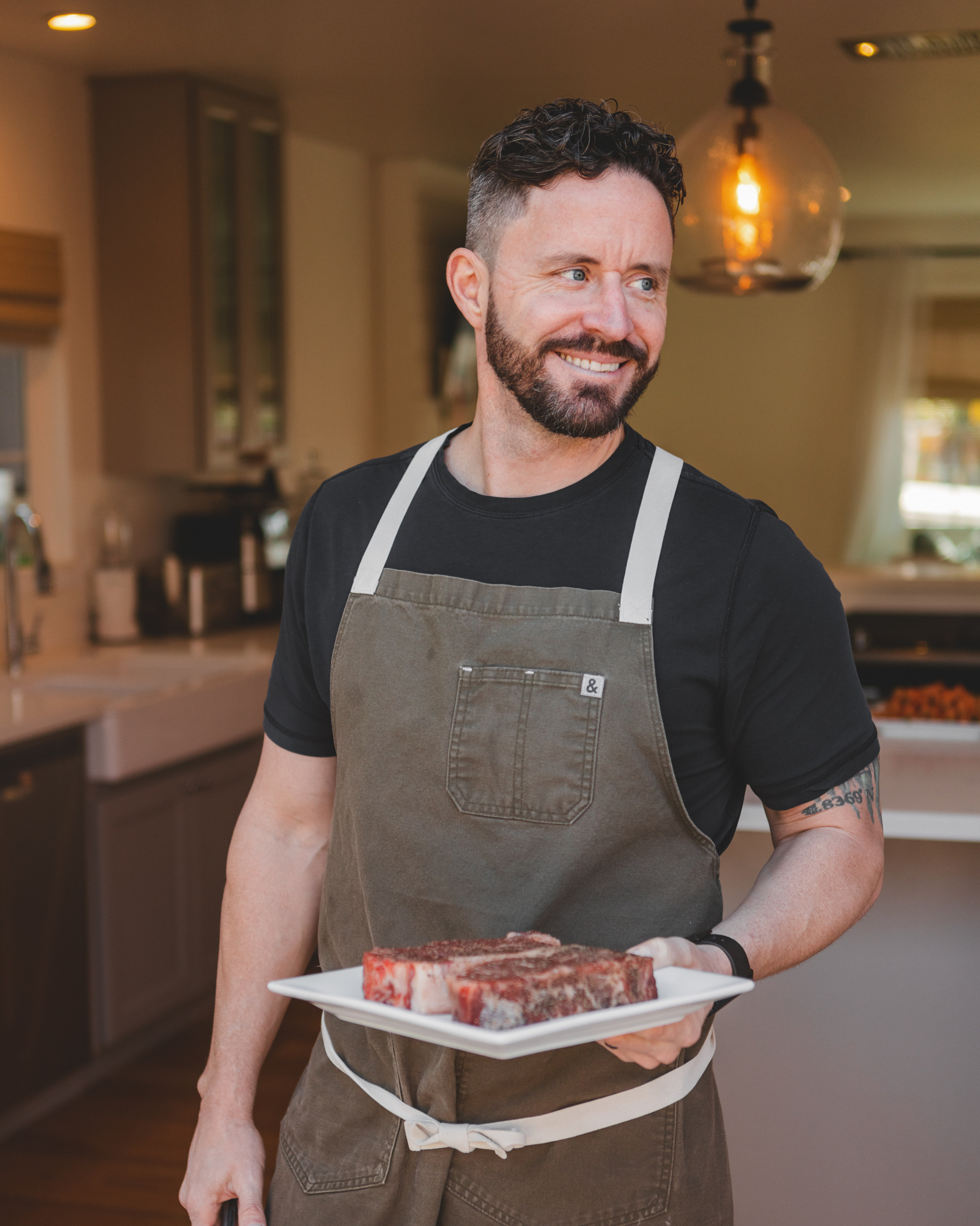
The difference between a pleasant dinner party and an evening guests talk about for months is rarely the tableware alone. When you plan a chef dinner, the real luxury is freedom: a menu designed around your guests, courses arriving at the right pace, and a host who is present for every toast rather than standing over the stove.
A private chef dinner brings restaurant-caliber cuisine into the setting that already feels most personal - your home, vacation rental, garden, or chosen event space. With a little thoughtful planning, it can feel polished without becoming precious and celebratory without creating more work for you.
Start With the Occasion, Not the Menu
Before selecting a dish, decide what you want the evening to feel like. An anniversary dinner for two calls for a different rhythm than a family milestone, a relaxed coastal birthday, or an intimate client gathering. The occasion shapes nearly every decision: guest count, service style, length of the meal, wine, music, and even how much space you leave between courses.
For smaller gatherings, a seated multi-course dinner creates a sense of occasion and gives each plate its moment. For a larger group or a more social celebration, family-style service can feel generous and relaxed while still showcasing a chef-driven menu. Neither approach is inherently more elevated. The right choice is the one that matches the way your guests naturally gather.
Consider the practical details early. Is the event indoors or outside? Will guests arrive for cocktails before dinner? Are children included? Do you want a long, lingering evening or a more concise meal before a presentation, celebration, or performance? Clear answers help your chef build an experience that feels intentional from the first welcome bite to dessert.
How to Plan a Chef Dinner Around Your Guests
The best private dining menus are personal without trying to please every passing preference. Start by sharing the flavors and ingredients you love, then give the chef room to interpret them. Perhaps you are drawn to bright coastal seafood, a composed vegetable course, handmade pasta, wood-fired meats, or a dessert with unexpected citrus and herbs. These details create a useful culinary direction.
Guest dietary needs deserve equal attention, but they do not need to flatten the menu. A skilled chef can build courses with thoughtful alternatives or design the menu from the beginning so that everyone enjoys a cohesive experience. Let your chef know about allergies, vegetarian or vegan guests, gluten concerns, pregnancy-related restrictions, and strong dislikes as soon as possible. This protects guests and allows the cooking to remain generous rather than improvised.
Seasonality is another advantage worth embracing. A menu built around what is at its peak will usually be more expressive than one that chases a specific ingredient out of season. In North County, that may mean pristine local fish with market vegetables, summer stone fruit, cool-weather squash, or bright citrus that brings freshness to a richer course. Modern coastal cuisine, grounded in French technique and layered with Mediterranean and Asian influences, offers plenty of room for contrast without making a dinner feel overly formal.
A menu also needs a sense of movement. Richness should meet acidity. A warm, savory course benefits from something crisp or herbaceous nearby. Texture matters as much as flavor: tender, crunchy, silky, charred, chilled, and warm elements keep guests engaged throughout the meal. This is where a chef adds more than cooking. They create a progression.
Give the Evening a Natural Rhythm
A private chef dinner should not imitate a rushed restaurant turn. Guests are in your space, and the evening should honor that. Most hosts benefit from allowing a little breathing room before the first course, particularly when friends or family have not seen one another in a while. A welcome beverage and a passed appetizer or small opening bite can set an elegant tone without asking everyone to sit down immediately.
Once dinner begins, pace depends on the occasion. A romantic dinner may move gently from course to course. A group celebrating a birthday may prefer longer pauses for conversation, speeches, or gifts. Share those plans with the chef beforehand. Timing is easier to manage when it is designed into the service rather than introduced as a surprise.
It also helps to be realistic about the total experience. A three-course dinner may be ideal for a weeknight celebration or a group with an early morning ahead. Four or five courses can be wonderful for an anniversary, holiday gathering, or event where dinner is the centerpiece. More courses are not automatically better. The goal is for guests to leave satisfied, cared for, and still energized by the evening.
Set the Table for Comfort, Not Performance
The setting should support the food, not compete with it. A beautifully set table can be simple: fresh linens, low floral arrangements that allow easy conversation, candlelight, and enough room for place settings and glassware. If your table is compact, keep the centerpiece minimal. If dinner takes place outside, consider the temperature, wind, lighting, and a backup plan before the day arrives.
Lighting has an outsized effect. Bright overhead lights can make even exceptional food feel like a weekday obligation, while warm, layered lighting makes the room more inviting. Candles, lamps, or soft string lighting outdoors create atmosphere without requiring elaborate décor.
Music deserves the same restraint. Choose something that establishes a mood but leaves space for conversation. The best dinner-party playlist is felt more than noticed. If your group tends to be lively, plan for the energy to rise after dessert rather than asking music to create the party too early.
Let the Chef Handle the Details That Steal Your Attention
A chef dinner is most valuable when it gives the host their evening back. That means discussing the scope of service in advance: shopping, menu planning, on-site cooking, plating, table service, kitchen cleanup, and any rentals or staffing the event may require. The level of support should reflect the guest count and the occasion.
For a dinner for two or a small family celebration, one chef may be all that is needed. For a larger seated meal, added service staff can preserve the polished flow of the evening. They pour wine, clear plates, refresh settings, and keep the experience moving while the chef focuses on the food. It is a worthwhile consideration when you want to host without feeling responsible for every detail.
Kitchen logistics matter, too. Your chef will want to understand the cooking space, oven capacity, refrigeration, work surfaces, and access to outdoor cooking equipment if applicable. This is not about turning your home into a commercial kitchen. It is simply how a professional prepares to work efficiently and discreetly in your space.
With Flavor Affinity, that preparation is part of the hospitality. The goal is not to impose a restaurant on your home. It is to transform your chosen setting into an experience that feels effortless, personal, and entirely suited to the people at the table.
Choose Beverages With the Same Intention
Wine pairings can heighten a chef dinner, but they are not mandatory. A well-chosen welcome cocktail, sparkling water, thoughtful nonalcoholic options, and one or two wines that suit the menu can be more than enough. Ask your chef whether the food is built around lighter, mineral-driven wines, fuller reds, sake, crisp beers, or a custom zero-proof pairing.
The trade-off is budget and complexity. Full beverage pairings add dimension to a multi-course meal, especially when each course has a distinct personality. For a relaxed gathering, a focused beverage plan often feels more natural and keeps the table from becoming crowded with glassware.
Leave Room for a Memorable Finish
Dessert does not need to be large to feel special. A composed finish, a shared tart, seasonal fruit with a refined cream or sorbet, or petite sweets served with coffee can close the meal with exactly the right amount of ceremony. If the occasion includes a cake, tell the chef so the menu can be balanced around it.
The final moments matter because they are when guests settle into the pleasure of having been cared for. Plan a chef dinner with enough structure to make every detail feel considered, then leave enough space for the stories, laughter, and spontaneous moments that no menu can predict.


Comments