


Small Wedding Catering Packages That Feel Personal
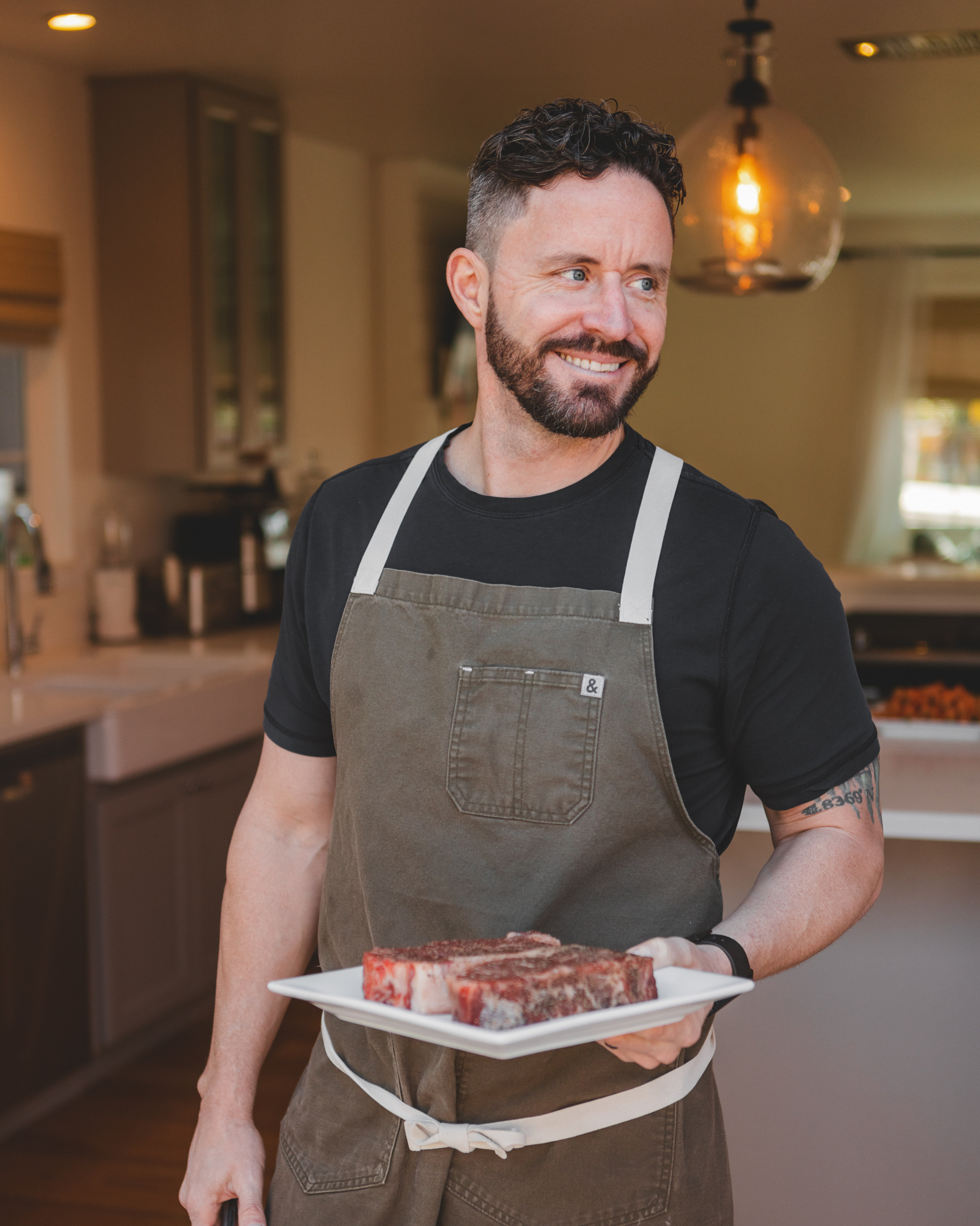
A small wedding has a particular kind of magic: every guest is close enough to witness the quiet moments, every table feels intentional, and dinner is more than a pause between speeches. The right small wedding catering packages protect that intimacy. Rather than adapting a large-event formula to a shorter guest list, they create a meal that belongs in the setting, reflects the couple, and lets the hosts stay fully present.
For celebrations in Encinitas, San Diego, and North County's coastal communities, that might mean a candlelit dinner at home, a private estate reception, or a relaxed ocean-view gathering with exceptional food at its center. The guest count may be modest, but the experience can still feel beautifully considered.
What Small Wedding Catering Packages Should Include
A thoughtful package is not simply a per-person menu with fewer plates. It is a plan for the entire dining experience: the food, the pace of the evening, the service style, and the details that allow the couple to enjoy their own celebration.
For an intimate wedding, a chef-led approach often begins with a conversation about the setting and the people in the room. Is this a formal seated dinner for 18, a garden reception for 35, or a family-style meal after a courthouse ceremony? Do guests expect an indulgent multi-course experience, or would a lively cocktail hour and shared plates better suit the mood? Those answers shape the package more meaningfully than a preset menu ever could.
The strongest packages typically account for menu planning, ingredient sourcing, culinary preparation, service staff when needed, plating or presentation, and post-event cleanup. Rentals, beverages, florals, and specialty equipment may be arranged separately depending on the venue. Clarifying what is included early prevents a polished proposal from becoming a string of last-minute decisions.
Start With the Feeling You Want Guests to Remember
Before choosing passed appetizers or deciding between plated and family-style service, consider the emotional rhythm of the evening. An intimate wedding gives couples room to be specific.
A formal plated dinner creates a composed, restaurant-caliber occasion. Courses arrive with intention, wine service can be paced around the meal, and the table becomes a focal point for conversation. This format is especially fitting for a dinner of 12 to 30 guests, where each plate can receive the attention it deserves.
Family-style service feels generous and connected. Platters of seasonal vegetables, roasted proteins, bright salads, and composed sides encourage guests to interact naturally. It carries a relaxed warmth while still feeling elevated when the food is carefully prepared and beautifully presented.
A reception built around passed bites, stations, or a refined grazing moment suits couples who want movement and mingling. The trade-off is that guests may not share one collective dinner-table experience. It can be ideal for a shorter celebration or a setting where formal seating is impractical, but it requires thoughtful pacing so guests feel genuinely fed rather than lightly entertained.
Build a Menu Around Season, Place, and People
Small guest counts make customization more realistic. Instead of selecting the safest possible menu for a crowd of 150, couples can choose dishes that feel more personal and seasonal.
Modern coastal cuisine is especially at home in a Southern California wedding setting. A menu might open with local crudo accented by citrus and herbs, followed by a warm seasonal salad, then a main course such as line-caught fish with Mediterranean vegetables or slow-roasted beef with a French-inspired sauce. Asian influences can bring depth and brightness through ginger, sesame, chile, or carefully balanced umami.
The point is not to create a menu that feels overly complicated. It is to create contrast: something crisp against something rich, a familiar ingredient treated with greater care, and a progression of flavors that makes the meal memorable. A great chef considers the temperature of the day, the kitchen available on site, and how food will hold during service. Those practical decisions are part of the craft.
Dietary needs deserve the same level of attention as the main menu. Vegetarian, gluten-free, dairy-free, and allergy-conscious guests should receive dishes designed for them, not a last-minute substitute that signals they were an afterthought. With a small wedding, it is often possible to tailor individual plates without disrupting the flow of service.
Do not overlook late-night and farewell moments
One beautifully timed extra can become the detail guests talk about afterward. That may be a late-night tray of elevated comfort food, a dessert course served under string lights, or a next-morning brunch prepared for immediate family and out-of-town guests. Not every package needs these additions, but they can be especially valuable when the wedding weekend is centered at a private home or rental property.
Choose Service That Fits the Venue
The venue has as much influence on catering as the menu. A private residence may offer intimacy and flexibility but have a compact kitchen, limited refrigeration, or tight access for equipment. A coastal venue may bring spectacular views along with wind, uneven terrain, or restrictions on open flame.
An experienced caterer plans around those realities before the event day. That can involve finishing courses on site, bringing the appropriate service equipment, adjusting menu selections for outdoor conditions, or recommending a service format that makes the best use of the space. A delicate plated dish may be perfect for an indoor dining room, while a more resilient family-style menu can be a better choice for a breezy terrace.
This is also where staffing matters. For a very small dinner, a chef and limited service team may create an intimate atmosphere without making the home feel crowded. For a larger reception, additional servers, bartenders, and support staff help maintain the rhythm of the event. The goal is attentive hospitality that feels present when needed and unobtrusive when it is not.
How to Compare Small Wedding Catering Packages
When reviewing proposals, look beyond the headline price. A lower per-person figure can be appealing, but it may exclude staff, rentals, setup time, gratuity, or cleanup. A more complete proposal can offer better value because it reduces the number of vendors and decisions the couple must manage.
Ask how the menu is customized, who will be responsible for the food on the day, and what the team needs from the venue. Confirm the minimum guest count, the timeline for final selections, and the process for dietary accommodations. It is also useful to discuss what happens if the schedule shifts. Weddings rarely move exactly according to plan, and calm, capable hospitality is worth planning for.
For couples who care deeply about food, chef ownership can make a real difference. Working with a chef-led team means the person shaping the menu understands the event from the first tasting through final service. Flavor Affinity approaches intimate celebrations with that level of care, pairing refined technique with menus that feel natural in the client's chosen setting.
Give the Meal Room to Matter
A small wedding does not need to imitate a ballroom reception to feel significant. In fact, its greatest advantage is the freedom to slow down. Leave room for guests to enjoy the opening course, let toasts happen between plates rather than over them, and choose a menu that rewards attention.
The best small wedding catering packages make the logistics feel quietly handled while the meal feels generous, personal, and completely at home in the celebration. When the last course is cleared, guests should remember more than what they ate. They should remember how cared for they felt around the table.


Comments