


A Guide to Intimate Dinner Parties at Home
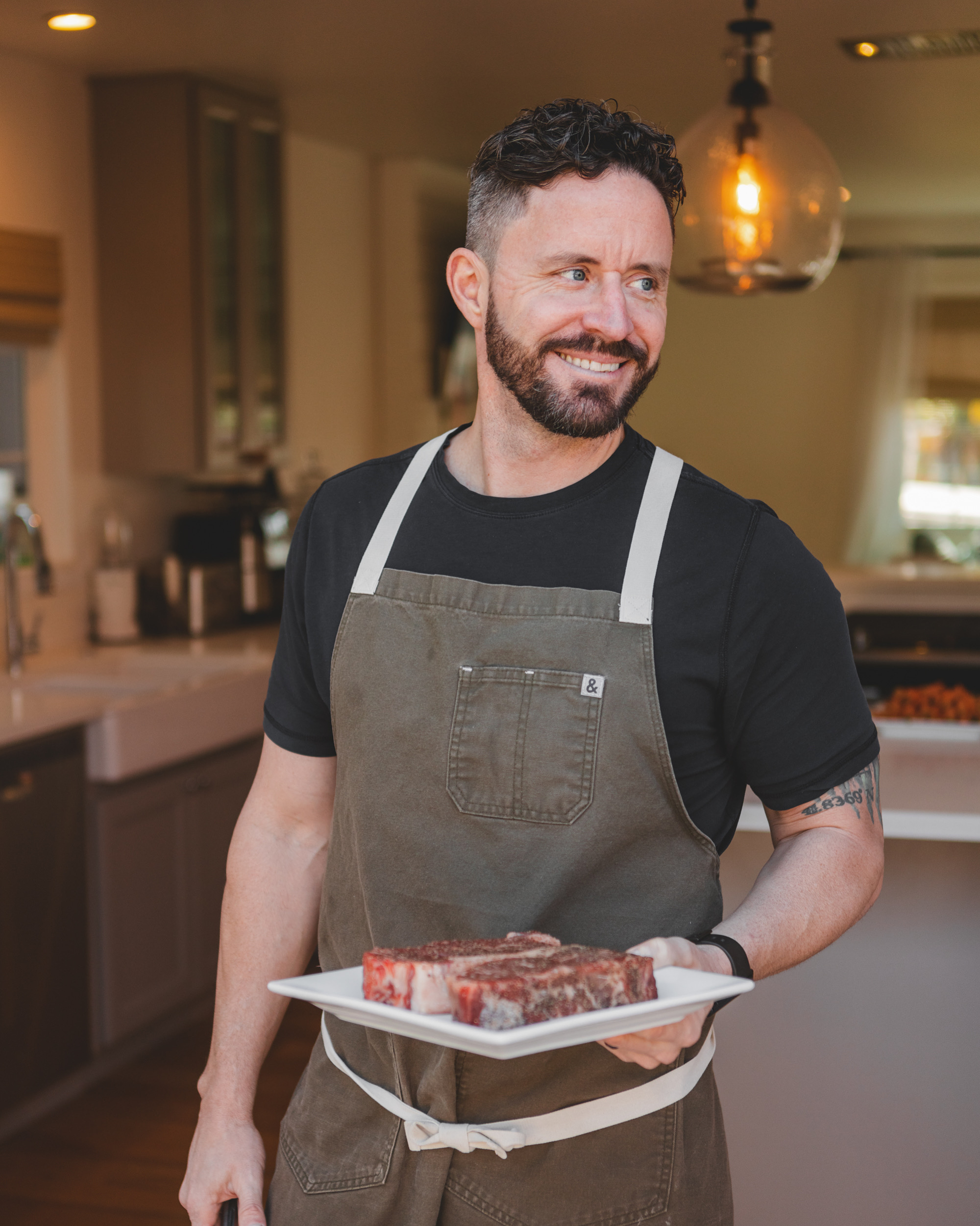
The best dinner parties rarely feel staged. They feel considered: a table with room for elbows and conversation, a menu that arrives at the right pace, and a host who is present enough to enjoy the evening. This guide to intimate dinner parties is designed for gatherings where the details matter, but the atmosphere remains easy.
An intimate dinner is not simply a smaller event. It is a chance to make every choice more personal, from the produce on the plate to the music in the background. For a birthday at home in Encinitas, an anniversary dinner, or a relaxed evening with close friends, the goal is not to recreate a crowded restaurant. It is to create something a restaurant cannot offer: a meal that feels entirely yours.
Start With the Feeling, Not the Menu
Before selecting a first course or choosing wine, decide how you want guests to feel when they leave. Perhaps the evening should be celebratory and energetic, with Champagne and bright coastal flavors. Or perhaps it calls for a slower, candlelit experience built around shared conversation and a composed multi-course meal.
That choice informs nearly everything else. A formal anniversary dinner may suit a seated five-course menu with wine pairings. A gathering of six longtime friends may be better served by a generous family-style main course, passed around the table with seasonal vegetables and a beautiful salad. Neither approach is more sophisticated. The right one is the one that supports the occasion and the people in the room.
For most homes, six to ten guests is the sweet spot. It is large enough to create lively conversation but small enough that everyone can share in it. If your dining room is more compact, resist the temptation to add extra chairs. Comfortable spacing is part of good hospitality.
Build a Guest List That Works at One Table
Intimacy depends as much on chemistry as headcount. Think beyond who knows whom and consider how the group will spend the evening together. A mix of personalities can be wonderful, but guests should have at least a few natural points of connection.
Invite people early, especially for a weekend gathering. A clear invitation can set the tone without becoming overly formal. Include the date, arrival time, expected finish, and a brief sense of the evening, such as a seated seasonal dinner or a coastal-inspired menu with wine. It gives guests helpful context and lets them flag dietary needs well before the menu is finalized.
Dietary preferences deserve real attention, not a last-minute workaround. A guest who avoids gluten, dairy, shellfish, or meat should receive a dish that feels intentionally designed, not an edited version of everyone else’s plate. With thoughtful planning, a menu can accommodate varied needs while still feeling cohesive and generous.
Set the Table for Conversation
A memorable table does not need to be crowded with décor. In fact, the most elegant tables leave room for food, wine, and comfortable movement. Start with linens or placemats that add texture, then layer in simple glassware, polished flatware, and low floral arrangements or a few candles.
Keep centerpieces below eye level. Guests should be able to see one another without leaning around flowers or branches. Unscented candles are usually the better choice near food, where fragrance can compete with delicate aromas in the meal.
Lighting deserves more thought than most hosts give it. Overhead lighting can make a dining room feel practical rather than inviting, so soften it with lamps, dimmers, or candlelight. The room should be bright enough for guests to see their plates and one another, but never feel clinical.
Music should support the room rather than perform for it. Begin with something warm and low during arrivals, then adjust naturally as the evening evolves. A playlist with a consistent mood is more effective than a string of favorite songs that abruptly shifts the energy between courses.
Plan a Menu With Rhythm
The strongest private dinner menus have contrast and pacing. They move from light to rich, bright to savory, and composed to comforting without trying to prove too much in a single meal. A menu should also respect the season. San Diego’s coastal setting offers remarkable produce throughout the year, and a dinner built around what is freshest nearly always tastes more vibrant.
A polished format might begin with a small passed bite during cocktails, followed by a first course such as citrus-cured local fish, a chicory salad with seasonal fruit, or a delicate chilled soup. The main course can then carry more depth: perhaps seared fish with a refined sauce, braised short rib with root vegetables, or a vegetarian centerpiece with the same sense of occasion.
Finish with a dessert that feels satisfying but not heavy. A citrus tart, olive oil cake with stone fruit, or dark chocolate dessert with a touch of sea salt can provide a graceful final note. Coffee, tea, and a small after-dinner pour give guests a reason to linger.
Avoid making every course rich, creamy, or intensely flavored. A menu with too much weight can leave guests tired before dessert. Equally, do not overcorrect by serving a meal that feels too restrained for a celebration. Balance is the point: acidity to lift richness, herbs to bring freshness, texture to keep each course interesting.
Choose Service That Fits the Evening
Plated service creates a more formal rhythm and is ideal when presentation is central to the experience. It also gives each guest the same carefully composed dish. The trade-off is that courses need to be timed precisely, and the host can easily become tied to the kitchen without professional support.
Family-style service feels generous and relaxed. Large platters encourage guests to share, and the table becomes part of the visual experience. It works especially well for Mediterranean-influenced meals, roasted seasonal vegetables, beautifully prepared proteins, and composed salads. It does require adequate table space and a menu that holds well once served.
For many gatherings, a hybrid is the answer: a plated first course, a shared main course, and individually finished dessert. It offers structure without becoming overly formal.
Make the Arrival Feel Effortless
The first 20 minutes shape the evening. Have drinks ready before the doorbell rings, and offer guests one simple choice rather than a full bar that requires decisions and preparation. Sparkling wine, a seasonal cocktail, or a zero-proof aperitif alongside still and sparkling water is often more than enough.
A small bite is helpful, but avoid serving so much that guests lose their appetite for dinner. Think marinated olives, crisp seasonal crudités with a refined dip, or a single composed canapé. The purpose is to welcome, not fill the room with appetizers.
If you are cooking yourself, complete as much as possible before guests arrive. The dishes that require last-minute attention should be limited to a final sear, a quick toss, or a finishing garnish. A host disappearing repeatedly into the kitchen changes the energy of even the most beautiful dinner.
Know When to Bring in a Chef
There is real pleasure in cooking for people you love, especially when the menu is simple and the group is small. But for milestone evenings, complex dietary needs, or a menu with multiple plated courses, hosting and cooking can become competing jobs. The trade-off is straightforward: doing it yourself can feel personal, while professional support gives you the freedom to be fully present.
A private chef can shape the menu around your tastes, source ingredients, cook in your home, manage service, and leave the kitchen restored. At Flavor Affinity, that approach is rooted in modern coastal cuisine, French technique, and flavors influenced by the Mediterranean and Asia. The result is not just restaurant-caliber food in a familiar setting, but an evening where the host is invited to enjoy every course alongside the guests.
Let the Evening Breathe
Do not rush guests to the table the moment they arrive, and do not hurry them through dessert because the final plate has been cleared. The most gracious dinners have a natural arc: a relaxed welcome, a lively middle, then a softer close.
Leave a little space between courses. Refill water quietly. Clear only when the table is ready, not the instant the last bite is taken. These small gestures signal care without making the evening feel managed.
A thoughtful dinner party is ultimately less about perfect place settings than the feeling of being looked after. Choose a menu you can stand behind, create room for conversation, and give yourself permission to sit down. That is where memorable hospitality begins.



Comments