


Buffet Versus Stations for San Diego Events
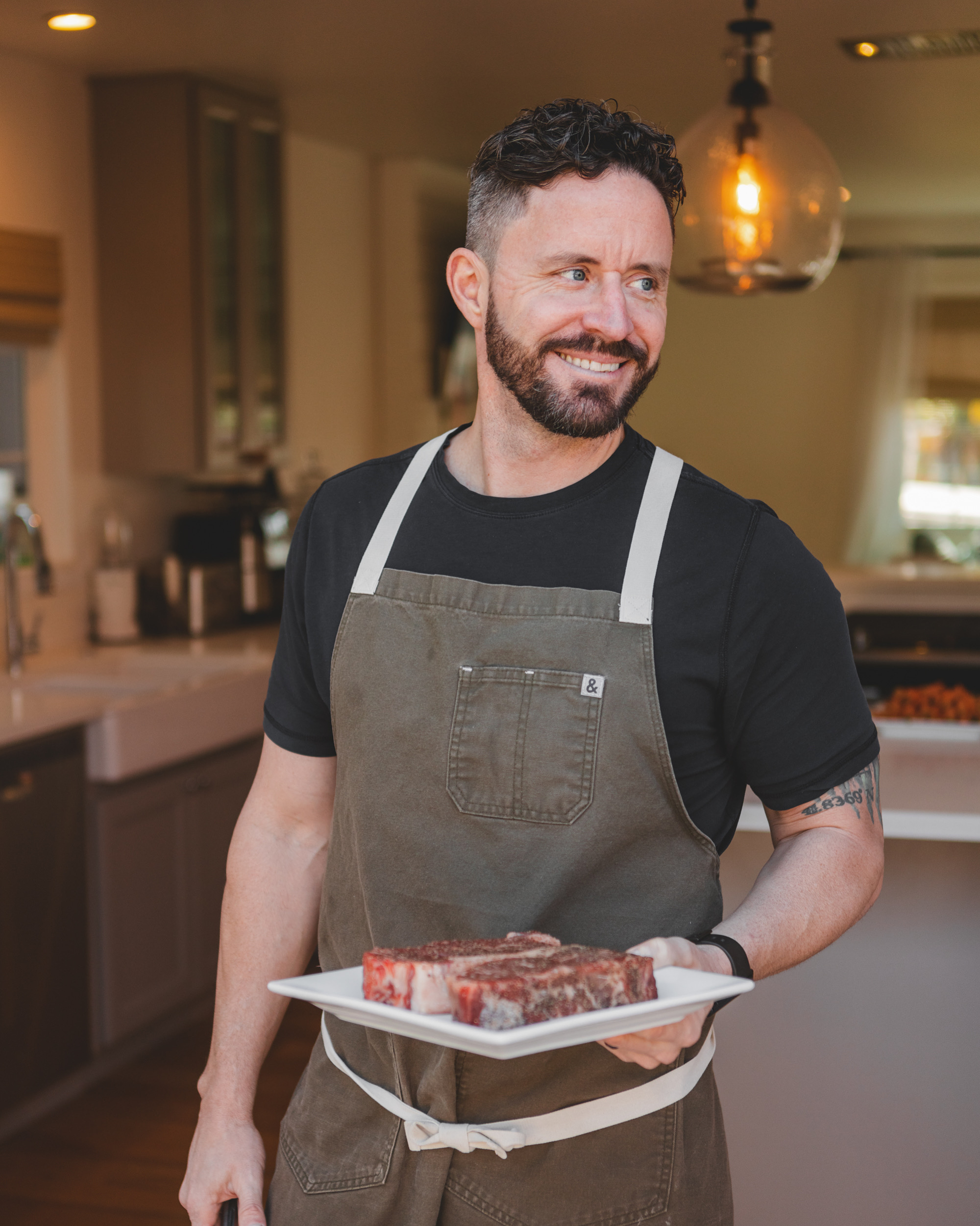
A citrus-glazed local catch, carved to order beside a bright seasonal salad, creates a very different room than one long table of composed entrées waiting beneath chafing dishes. When weighing buffet versus stations, the real question is not simply how guests receive their meal. It is how you want the gathering to feel: relaxed and communal, lively and exploratory, polished and paced, or somewhere in between.
For a coastal San Diego wedding, an executive gathering, or a milestone dinner at home, both formats can be beautifully executed. The better choice depends on your guest count, venue layout, menu, timeline, and the kind of hospitality you want guests to remember.
Buffet Versus Stations: The Experience Comes First
A buffet presents the meal in one thoughtfully arranged location. Guests move through a single service line, selecting from a complete menu before returning to their tables. It is familiar for good reason: it is clear, efficient, and especially well suited to events where everyone will dine around the same time.
Stations divide the meal into distinct culinary moments throughout the space. A carving station might sit on the patio, while a Mediterranean-inspired mezze display welcomes guests indoors and a warm noodle or risotto station draws conversation near the kitchen. Rather than one line and one decision, guests circulate, discover, and return for what catches their attention.
Neither approach is automatically more elevated. A buffet with considered presentation, attentive replenishment, and chef-driven food can feel sophisticated and abundant. Stations can feel dynamic and luxurious, but they require enough room, staff, and timing to avoid becoming a series of small lines. The most successful service style is the one that supports the rhythm of your particular event.
When a Buffet Is the Better Choice
A buffet often works best when the group needs a dependable, shared dining moment. Think family celebrations where grandparents, children, and friends are all gathering at a private residence, or a corporate dinner where guests need to eat before remarks, awards, or a presentation.
The format gives guests meaningful choice without asking them to navigate the entire venue. A well-planned buffet can accommodate varied tastes through a balanced selection of proteins, vegetable-forward sides, salads, and dietary alternatives. It is particularly practical when a menu includes dishes that are strongest when served in generous pans or platters, such as herb-roasted chicken, braised short ribs, seasonal vegetables, grains, and composed salads.
A buffet creates a shared pause
There is a social advantage to a buffet: it gently brings the room into the same phase of the evening. Guests mingle as they approach the line, then settle into their seats with a full plate. For occasions built around toasts, speeches, or a formal cake cutting, that shared pause can make the timeline easier to manage.
Buffets also make sense for venues with one natural service area. A backyard with a single covered patio, a compact event room, or an office where food needs to stay close to the kitchen can benefit from keeping the meal centered in one place.
The trade-off: line management
The concern with a buffet is rarely the food itself. It is the line. At a smaller event, guests can be invited by table or released gradually, keeping the flow relaxed. At a larger gathering, the buffet needs enough length, a sensible plate sequence, and attentive service staff to prevent the first 20 minutes of dinner from feeling like a wait.
Menu design matters here. Foods that are easy to serve and hold well protect both appearance and temperature. A chef can also create a more refined experience by finishing select elements to order, offering a plated salad at the table, or pairing the buffet with passed appetizers before dinner begins.
When Stations Are Worth the Investment
Stations are ideal when the meal is part of the entertainment. They encourage guests to move, connect, and engage with the food throughout the evening. For a wedding reception, a celebration with an open indoor-outdoor layout, or a client-facing reception where mingling is the priority, that energy can be exactly right.
Instead of presenting dinner as one fixed moment, stations allow it to unfold. Guests might begin with chilled seafood and seasonal crudo, then visit a chef-attended carving station featuring prime beef or roasted salmon, followed by a vibrant vegetarian station with grilled market vegetables, sauces, and warm flatbreads. The effect is generous without feeling repetitive.
Stations invite conversation and discovery
A station is more than a menu category. It can create a focal point for the room. The gentle theater of a chef carving, tossing, or finishing a dish makes guests feel included in the culinary experience without turning the event into a cooking demonstration.
This format is especially compelling for menus with distinct influences. Modern coastal cuisine can move naturally from a Mediterranean-inspired display of whipped feta, olives, and grilled vegetables to Asian-influenced short rib with fragrant rice and crisp garnishes. Each station has its own identity, while the overall menu still feels cohesive.
The trade-off: space and pacing
Stations need breathing room. If they are placed too close together, guests gather in the same bottleneck they would encounter at a buffet. If they are spread too far apart, the event can lose its center of gravity, particularly at a smaller home gathering.
They also require a menu that rewards movement. A station with a beautiful display but no reason to linger may not justify the added footprint. Chef-attended elements, made-to-order finishing, or distinctly different courses give the format purpose. For a 30-person seated dinner in a limited space, stations may feel unnecessarily complicated. For 100 guests moving between a garden, patio, and living area, they can make the evening feel naturally expansive.
Consider Your Guest Count and Venue Layout
Guest count influences service style, but it should not make the decision alone. A 40-guest anniversary party in a large Encinitas home can support several elegant stations. A 75-guest event in a narrow venue may be better served by one well-designed buffet with multiple access points.
Start by looking at how guests will enter, drink, sit, and circulate. Food should never block the bar, the main conversation area, or the path to restrooms. At home, a station can turn an underused side patio or dining room into a destination. At a corporate event, it can help distribute guests beyond the conference room and make networking feel less forced.
Also consider whether guests will be seated for the full meal. If most people will dine at assigned tables, a buffet supports that structure well. If the event calls for lounge seating, high-top tables, and a more fluid reception, stations tend to match the atmosphere.
Let the Menu Decide What It Needs to Be
Some dishes belong on a buffet. A carefully braised entrée, roasted potatoes with herbs, and a vivid farmers market salad can be served beautifully in a single, abundant presentation. Others gain appeal when finished in front of the guest. Freshly carved proteins, hand-rolled sushi, warm pasta, tacos with house-made salsas, or dessert items with a final brûlée or garnish all benefit from station service.
The menu should also respect the occasion. A formal wedding may call for a refined carving station paired with a composed vegetable station, rather than a broad assortment of unrelated concepts. A relaxed birthday gathering might welcome bolder contrasts and more casual interaction. Premium catering is not about adding the most choices. It is about making every choice feel intentional.
Dietary needs can be handled well in either format. A buffet makes it easy to label complete dishes and provide a clear gluten-free or plant-forward option. Stations can prevent cross-contact and offer customization, provided each area is staffed and organized with care. The key is to plan for those guests from the beginning, not treat their meal as an afterthought.
A Hybrid Format Can Deliver the Best of Both
For many celebrations, the strongest answer is not buffet or stations. It is a considered combination. Passed appetizers can welcome guests while a central buffet anchors dinner, with one chef-attended station providing a memorable point of interaction. Or a grazing display and raw bar can carry the cocktail hour before a more structured buffet brings everyone together for the main meal.
This approach works particularly well for hosts who want energy without asking guests to build an entire dinner from multiple lines. It also allows the menu to highlight a signature experience, such as a coastal seafood display or a carving station, while keeping the remainder of dinner comfortable and familiar.
The best service style should make hosting feel easy and make guests feel cared for. Choose the format that fits the room, supports the menu, and leaves you free to enjoy the people gathered around your table.


Comments