


How to Plan a Plated Dinner With Ease
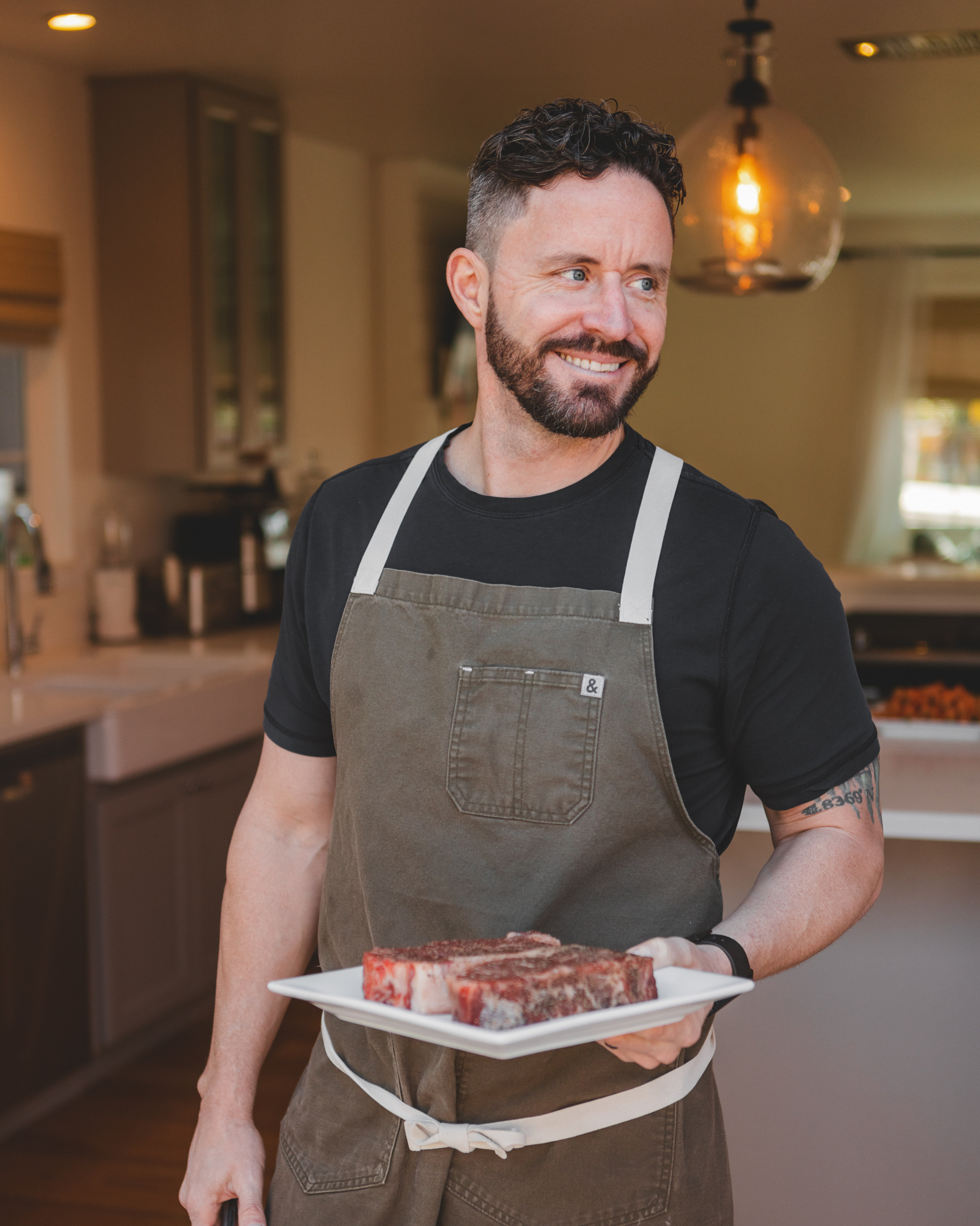
A plated dinner is not simply a meal served course by course. It is a carefully paced experience where the food, table, service, and setting arrive in harmony. When clients ask how to plan plated dinner service for a birthday, engagement, executive gathering, or intimate family celebration, the most useful place to begin is not the menu. Begin with the feeling you want guests to carry home.
Perhaps that feeling is candlelit and quietly luxurious, relaxed and coastal, or celebratory with a little theater at the table. Once the intended mood is clear, every practical decision becomes easier: the number of courses, the wine, the service style, and even the amount of space needed around the table.
Start With the Occasion and Guest Experience
A plated dinner works especially well when the occasion calls for connection. Unlike a buffet or family-style meal, it gives everyone the same composed dish at the same time. That rhythm creates a natural pause for conversation, toasts, and appreciation of each course.
First, settle the guest count. For an in-home dinner, eight to 16 guests often creates the ideal balance of intimacy and energy, although a capable culinary team can design plated service for a much larger celebration. The final number affects more than food quantity. It shapes staffing, rentals, kitchen workflow, table size, and the amount of time each course takes to serve.
Then consider your guests as individuals. Gather dietary needs early, including allergies, vegetarian or vegan preferences, gluten restrictions, and serious medical considerations. A thoughtful menu should feel intentional for every person at the table, not as though one guest received an afterthought. With advance planning, an elegant roasted vegetable tart, seasonal risotto, or composed seafood course can stand confidently beside the rest of the menu.
The setting deserves equal attention. A private residence can be transformed into a dining room with layered linens, flattering light, polished glassware, and place settings that suit the occasion. An outdoor coastal dinner may call for warmer textiles and practical lighting as the evening cools. The goal is never to make a home feel like a stiff restaurant. It is to make guests feel beautifully cared for in a place that is personal to the host.
How to Plan a Plated Dinner Menu
The strongest plated dinner menus have movement. Each course should offer a different temperature, texture, or flavor direction while still feeling connected to the next. A crisp first course might lead into a silky soup, followed by a delicately seared fish or a rich braised entrée, then a dessert with brightness and contrast.
Seasonality should guide the choices. In San Diego, pristine local seafood, citrus, herbs, market vegetables, and California produce make it possible to create menus that feel light without feeling slight. Modern coastal cuisine is at its best when French technique provides precision, Mediterranean ingredients bring generosity, and Asian influences add lift through aromatics, acidity, or gentle spice.
Avoid building every course around the same note. A menu with creamy burrata, butter-poached fish, potato purée, and a dense chocolate dessert can be delicious, but it may feel heavy by the end of the evening. Balance richness with acid, soft textures with crisp elements, and familiar ingredients with one or two surprising details.
For most private dinners, three to four courses feel generous and relaxed. A five-course experience can be wonderful for a milestone event with a longer evening and a guest list that enjoys the ritual of dining. More courses are not automatically more memorable. They require more time, more service, and a greater commitment from guests. A well-paced three-course meal can feel more luxurious than an overextended tasting menu.
Portioning is part of that balance. Guests should finish each course satisfied but ready for what follows. This is where chef-led planning matters: an entrée may look generous on the plate while relying on thoughtful composition rather than excess. A perfectly cooked protein, seasonal vegetable, refined starch, sauce, and garnish each have a role.
Build a Service Timeline Before You Finalize Details
The difference between a polished dinner and a rushed one is often decided hours before the first guest arrives. Set an arrival window, cocktail period, dinner start time, and approximate cadence between courses. For an intimate dinner, guests may enjoy 30 to 40 minutes with cocktails and passed bites before being invited to the table. That buffer gives people time to settle in while allowing the kitchen to complete final preparation.
Once seated, plan for 20 to 30 minutes per course, depending on the formality of the evening. A shorter interval works for a lively corporate dinner or a family gathering with young children. A slower pace suits an anniversary, wine-paired meal, or celebratory evening where guests want room for conversation.
Do not overlook transitions. The time between a salad and entrée is a natural moment for a toast. Dessert can arrive after coffee is poured, or after guests have moved to a lounge area. These small choices prevent the evening from feeling like a sequence of logistics.
If you are hosting at home, protect yourself from the work of the timeline. The host should not be reheating sauces, clearing plates, or checking whether the entrée is ready while guests are arriving. Bringing in a private chef and service team allows the host to be present, which is often the real luxury of the experience. At Flavor Affinity, that is the standard: restaurant-caliber execution that still feels natural in your own space.
Design the Table Around Comfort, Not Just Appearance
A beautifully set table should make dinner easier to enjoy. Allow enough room for place settings, water and wine glasses, and comfortable conversation. If the table is crowded, simplify the centerpiece and avoid oversized chargers or elaborate table décor that competes with the food.
Lighting is one of the most effective ways to create atmosphere. Candlelight and dimmed lamps flatter both the room and the meal, but guests should still be able to see what they are eating. For outdoor events, plan lighting early rather than relying on whatever remains after sunset.
Consider the practical path from kitchen to table as well. Plated service depends on timing, and a narrow doorway, steep steps, or distant outdoor dining area can affect how many hands are needed. A site walk-through or conversation with your chef can identify these details in advance, from oven capacity and counter space to the best location for a finishing station.
Pair Beverages With the Pace of the Meal
Wine pairings can elevate a plated dinner, but they should support the food rather than turn the evening into a lecture. A bright sparkling wine or crisp white works beautifully with a first course, while a medium-bodied red may complement a more savory main. Nonalcoholic pairings deserve the same care, whether that means a citrus-herb spritz, sparkling tea, or a seasonal botanical beverage.
The key is variety without excess. Offering one or two thoughtfully selected wines alongside still and sparkling water is often more elegant than placing too many bottles on the table. For a special occasion, a chef and sommelier-informed menu can guide each pairing so flavors build naturally across the meal.
Leave Room for the Unexpected
Even the most carefully planned dinner needs a little flexibility. A guest may arrive late, the weather may shift, or a meaningful toast may run longer than expected. Build a timeline with breathing room, especially for outdoor events and celebrations involving several generations of guests.
Choose a menu that can hold gracefully if dinner begins 15 minutes later than planned. Delicate fried items and precisely timed soufflés have their place, but they demand more exact conditions than a beautifully roasted fish or braised short rib. The right choice depends on the event, the kitchen, and the degree of precision you want from the evening.
The finest plated dinners feel unhurried because someone has anticipated the details. Give your guests a table that invites them to linger, food that reflects the season, and a host who has the freedom to enjoy the first course alongside everyone else.


Comments