


Mediterranean Asian Fusion Menu, Beautifully Balanced
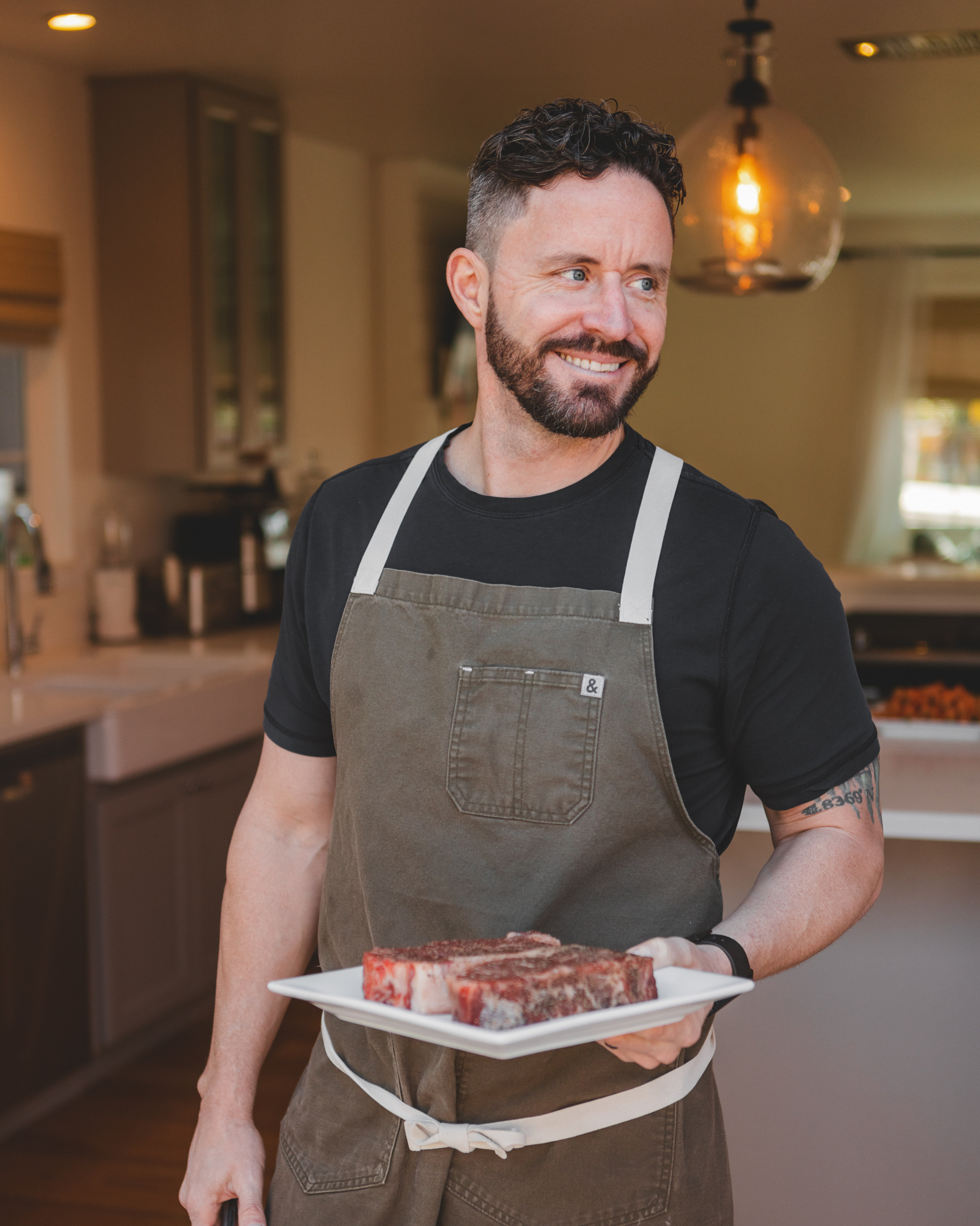
A great Mediterranean Asian fusion menu does not announce itself with novelty. It arrives in the first bite: the clean richness of yellowtail with citrus and olive oil, a touch of chile, a fragrant herb, and just enough acidity to make every element feel brighter. For a private dinner or celebration, that balance creates something more memorable than a familiar menu can offer - food that feels polished, generous, and distinctly personal.
For coastal San Diego gatherings, this style of cooking has a natural sense of place. Mediterranean cuisine brings sunlit produce, seafood, herbs, olive oil, and an instinct for sharing. Asian culinary traditions contribute depth, contrast, fermentation, gentle heat, and precise seasoning. Together, they make room for dishes that are elegant without becoming fussy and comforting without feeling predictable.
What Defines a Mediterranean Asian Fusion Menu
Fusion is often misunderstood as placing ingredients from two regions on the same plate. A thoughtful menu is more disciplined than that. The goal is not to make every course carry every influence. It is to build flavor harmony, using techniques and ingredients where they genuinely improve the dish.
Consider a local white fish gently roasted with miso and finished with a preserved lemon broth. Miso provides savory depth, while preserved lemon supplies the bright, saline character often associated with Mediterranean cooking. Neither component competes for attention. They create a fuller expression of the fish.
The same principle works with grilled meats, seasonal vegetables, grains, and sauces. A lamb course may take on a Korean-inspired glaze while retaining the herbal lift of mint and parsley. Charred carrots can be paired with tahini, sesame, and ginger. A simple summer tomato salad becomes more dynamic with shiso, yuzu, or a whisper of chile crisp. The connection should feel intentional, not crowded.
For hosts, this is where chef-led menu design matters. The most successful combinations account for the season, the setting, and the occasion. A seated anniversary dinner calls for a different rhythm than a wedding reception or an executive gathering where guests are circulating with a glass of wine in hand.
Building a Menu Around Balance, Not Excess
A well-composed menu needs contrast. Richness should meet acid. Heat should be followed by cooling herbs or clean produce. Crisp textures should sit alongside tender ones. This is especially true when a menu draws from culinary traditions known for bold seasoning.
The opening course establishes the mood. For an intimate dinner, that might mean hamachi crudo with cucumber, avocado, citrus, sesame, and a delicate olive oil. It feels light, luxurious, and inviting without filling guests too early. For a larger cocktail-style event, a crisp rice bite topped with tuna, harissa aioli, and fresh herbs offers the same flavor language in a format that travels well through a room.
From there, the meal can deepen gradually. A warm course of grilled octopus with gochujang, white bean puree, and lemon may bring smoke, spice, and richness while maintaining a coastal Mediterranean foundation. Handmade dumplings filled with braised short rib, served with a rosemary soy jus, can feel especially at home during a cooler-season celebration.
By the main course, guests are ready for a more substantial expression of the menu. Think miso-marinated black cod with market vegetables and saffron jasmine rice, or slow-roasted chicken with garlic, ginger, olives, and a velvety tahini pan sauce. These dishes feel elevated, but they are also grounded in ingredients guests recognize and enjoy.
Dessert should provide relief rather than simply more richness. Citrus is particularly useful here. A yuzu olive oil cake with seasonal berries, a sesame panna cotta with roasted stone fruit, or a coconut custard finished with cardamom and pistachio can close the meal with a clear sense of place and a lingering, refined finish.
The Role of Texture and Temperature
Flavor is only part of the experience. The pleasure of a Mediterranean Asian fusion menu often comes from texture: the crackle of a crisp-skinned fish, tender grilled eggplant, toasted nuts, silky sauces, and bright raw herbs added at the last moment. Temperature matters, too. A chilled crudo course makes a vivid opening, while a hot, aromatic main course brings comfort and occasion.
This attention to contrast keeps the menu from becoming heavy. It also makes each course distinct, which is essential at a multi-course dinner where guests should feel a sense of progression rather than repetition.
Seasonal Menus Make Fusion Feel Natural
Seasonality gives fusion cuisine its credibility. Rather than relying on the same familiar combinations year-round, a chef can let local ingredients lead and draw from Mediterranean and Asian pantry staples to shape the final dish.
In spring, peas, fava beans, asparagus, and tender herbs pair beautifully with sesame, green garlic, ponzu, and delicate broths. Summer offers ripe tomatoes, sweet corn, stone fruit, and exceptional seafood, all of which welcome chile, citrus, basil, shiso, and grilled elements. Fall is ideal for mushrooms, squash, pomegranate, dates, and slow-cooked meats. Winter invites brighter sauces, warming spices, braises, and deeply savory fermented notes.
That flexibility is especially valuable for private entertaining. A menu created for a sunset dinner in Encinitas should feel different from one designed for a winter holiday gathering or a formal wedding celebration. The shared point of view remains, but the dishes should belong to the moment.
Designing for the Occasion and the Guest List
The best menu is never designed in isolation. A chef considers how guests will be seated, whether the event is indoors or outdoors, how formal the service should feel, and what guests need to enjoy the meal fully. Dietary preferences are not an afterthought; they are part of the creative brief.
For a family-style dinner, shareable platters invite conversation and abundance. Grilled prawns with Calabrian chile and garlic, whole roasted fish with ginger and herbs, or soy-glazed eggplant with tahini can move easily around the table. The format feels relaxed, yet the food still carries restaurant-level detail.
For a plated dinner, composition and pacing become more important. A menu might begin with a composed seafood course, move into a warm vegetable dish, and arrive at a carefully portioned main course with a sauce prepared just before service. This format creates a more formal experience while allowing each ingredient to be presented at its best.
Corporate and cocktail events require another approach. Guests need food that is easy to enjoy while standing and speaking. The strongest selections are compact, clean to eat, and satisfying in one or two bites. In that setting, a menu can feature refined passed appetizers and stations that feel generous without slowing the evening.
Flavor Affinity approaches this work as hospitality, not simply food service. The menu, service style, timing, and presentation should allow the host to remain present with guests instead of managing the kitchen, refilling platters, or worrying about the next course.
Where Fusion Can Go Wrong
The most common mistake is overcomplication. Adding soy, tahini, chile, citrus, sesame, and herbs to every dish does not create complexity. It can flatten a meal by making every course taste similarly intense. Restraint gives flavors room to register.
Another challenge is losing the character of the main ingredient. High-quality seafood, peak-season vegetables, and carefully sourced meats need enhancement, not disguise. A sauce should sharpen the experience of the ingredient, not conceal it.
There is also a practical consideration for events: some dishes are better suited to a restaurant kitchen than an off-site setting. Crisp fried foods, fragile garnishes, and elaborate last-second assemblies can be wonderful in the right circumstances, but they require the right staffing, equipment, and service plan. A skilled private chef builds a menu that remains exceptional from the first plate to the last.
A Meal Guests Will Remember
Mediterranean and Asian influences work so well together because both value balance, seasonality, and the pleasure of feeding people generously. At their best, these menus bring brightness, warmth, texture, and a touch of surprise to the table without asking guests to decode every bite.
When planning your next gathering, begin with the feeling you want guests to carry home: relaxed celebration, coastal elegance, intimate warmth, or an evening that feels entirely unlike a restaurant reservation. From there, the right ingredients and a thoughtful chef can turn that feeling into a menu worth lingering over.


Comments