


Luxury Home Dinner Parties, Beautifully Hosted
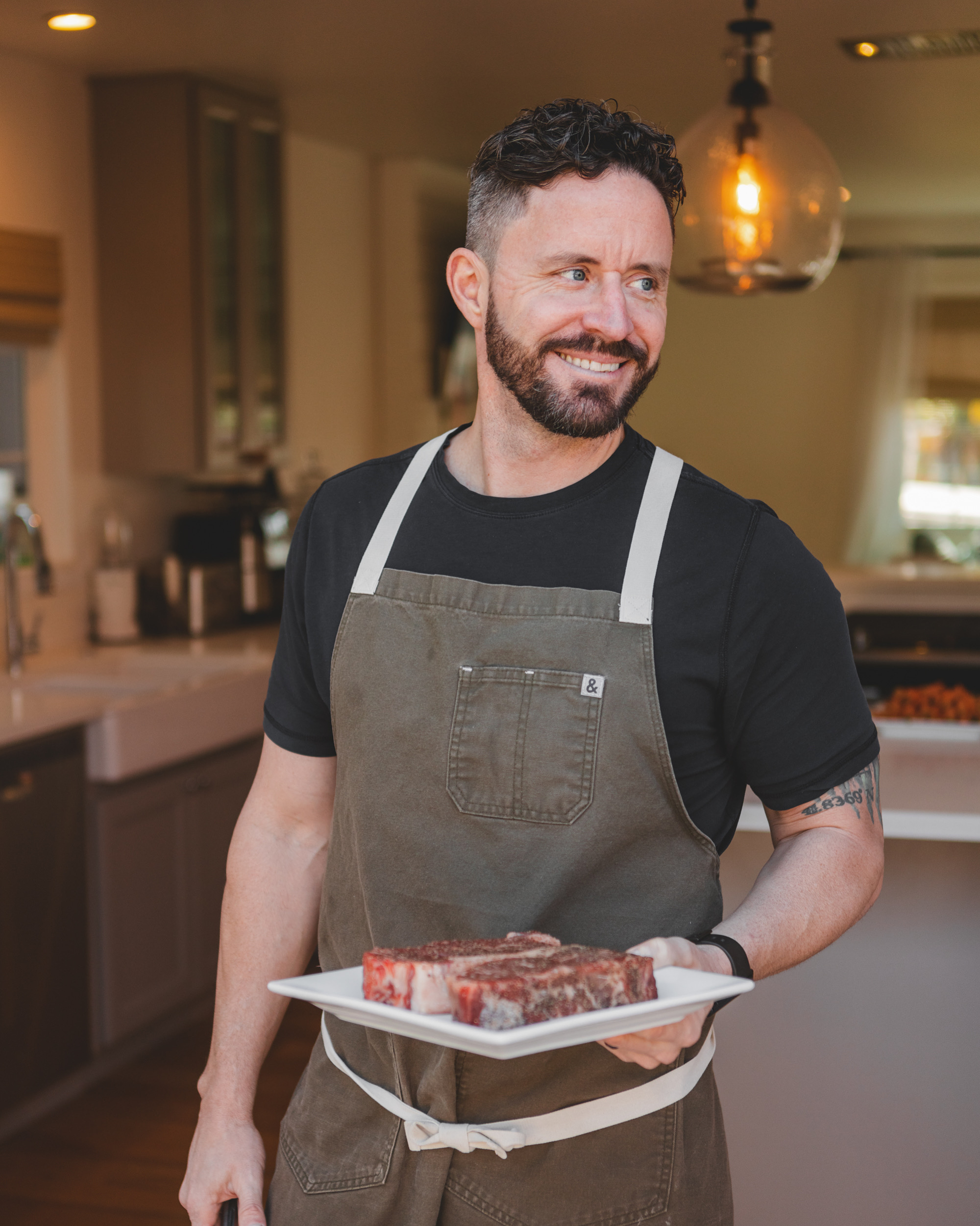
A dining room filled with the glow of candlelight, the sound of glasses being poured, and the first course arriving precisely when conversation is at its best - this is what luxury home dinner parties can create. The occasion may be an anniversary, a milestone birthday, a client gathering, or simply a long-overdue evening with friends. What makes it memorable is not formality. It is the feeling that every detail has been considered, while the host is free to enjoy it all.
At home, the experience can feel more personal than a restaurant and more polished than a typical gathering. Guests settle into a space that already holds meaning, then encounter food, service, and atmosphere designed around the people at the table. For hosts across Encinitas and North County, it is a refined way to entertain without spending the evening in the kitchen.
What Luxury Home Dinner Parties Really Offer
Luxury is often mistaken for more: more courses, more tableware, more elaborate decor. Those elements can have their place, but the most successful private dinners are defined by intention. A menu should feel suited to the season and the guests. Service should be present without interrupting the evening. The table should look elevated without becoming too precious to relax around.
A chef-led dinner also changes the rhythm of hosting. Rather than shopping, prepping, timing several pans, and missing half the conversation, the host can greet guests with a drink in hand and stay at the table through dessert. That freedom is one of the most meaningful forms of hospitality.
The setting itself becomes an advantage. A coastal patio, a sunlit dining room, or a landscaped backyard can offer a sense of place no dining room can duplicate. With thoughtful planning, a familiar home becomes a private restaurant for one evening, shaped entirely around the occasion.
Begin With the Guest Experience
Before choosing a menu, consider how you want the night to feel. An eight-person anniversary dinner has a different energy than a 20-person birthday celebration. A relaxed family-style meal may suit a group of close friends, while a plated multi-course dinner creates a more formal cadence for an executive gathering or intimate wedding weekend.
Guest count matters, but it is not the only consideration. Think about where guests will arrive, have a welcome drink, sit, and move between courses. Indoor-outdoor homes are particularly well suited to this flow, provided lighting, temperature, and service paths are considered. If the evening begins on a patio and ends at the dining table, that transition should feel natural rather than staged.
It also helps to decide what should remain invisible. A well-run private dinner has preparation happening quietly in the background. The kitchen may be active, but guests should experience only the aroma of a course arriving, the ease of a fresh pour, and the pleasure of being cared for. This is where an experienced private chef and service team make a real difference.
Design a Menu With a Point of View
The strongest menus have a through line. They do not need to follow one regional cuisine rigidly, but each course should feel connected in flavor, texture, and weight. Modern coastal cooking offers a natural foundation for San Diego entertaining: pristine seafood, vibrant produce, bright herbs, thoughtful acidity, and seasonal restraint.
A refined dinner might begin with hamachi accented by citrus, avocado, and a touch of chile, followed by a composed salad of local greens and stone fruit. From there, a main course could move toward seared scallops, roasted fish, herb-crusted lamb, or a carefully prepared vegetarian centerpiece. French technique can provide structure, while Mediterranean and Asian influences add freshness and depth.
Balance matters more than extravagance
A menu featuring rich dishes in every course can leave guests impressed but overly full. Likewise, a menu that is too light may not feel celebratory. The best approach balances indulgence with clarity: something crisp, something silky, something savory, something bright, and a dessert that closes the meal without overwhelming it.
Dietary needs deserve the same care as every other detail. A guest who avoids dairy, eats vegetarian, or has a serious allergy should receive a dish that feels fully considered, not an afterthought. Often, the most polished solution is a menu designed with natural flexibility from the start rather than a series of last-minute substitutions.
Wine pairings can add another layer to the experience, though they are not required for every event. For a smaller group of enthusiastic diners, course-by-course pairings can make the evening feel especially curated. For a livelier crowd, a welcome sparkling wine, a versatile white, and a balanced red may allow for a more relaxed pace. It depends on the guests, the menu, and whether the conversation or the culinary progression should take center stage.
Service Sets the Tone
The difference between a good meal and a polished private dinner often comes down to timing. Courses should arrive when guests are ready for them, not simply when they are finished. Plates should be cleared gracefully. Water and wine should be attended to without constant interruption. These small moments create an atmosphere of ease.
For some occasions, a chef preparing and presenting courses directly brings warmth and personality to the evening. Guests enjoy hearing the inspiration behind a dish or learning about a seasonal ingredient. For others, particularly larger or more formal events, a dedicated service team allows the meal to unfold with greater structure. Neither approach is inherently better. The right choice depends on the style of gathering.
Flavor Affinity approaches this balance with chef-driven cuisine and hospitality that feels attentive, composed, and comfortable in the home. The goal is not to make a residence feel like a restaurant in the literal sense. It is to bring restaurant-caliber care to a setting where guests can truly settle in.
Create Atmosphere Without Overdecorating
A beautiful table does not need to compete with the food. Start with linens, glassware, and candles that complement the home rather than introducing an unrelated theme. Low floral arrangements or loose greenery can add texture while preserving sightlines across the table. Warm lighting is almost always more flattering than bright overhead fixtures.
Music should support the room, not fill every pause. A curated playlist with a calm opening, an easy dinner rhythm, and a slightly more celebratory finish can guide the evening subtly. On an outdoor patio, consider practical details such as heaters, blankets, and enough illumination for guests and service to move comfortably after sunset.
Personal details often matter most. Place cards for a milestone dinner, a favorite family wine, or a dessert inspired by a couple's travels can make the experience feel deeply tailored. These touches do not need to be elaborate. They simply need to be genuine.
Avoid the Details That Distract From the Evening
Trying to do too much is the most common misstep. A complicated menu, an overpacked schedule, and excessive decor can pull attention away from the people gathered around the table. Give the night room to breathe. A well-timed cocktail hour, a gracious meal, and an unhurried dessert are usually enough.
It is also wise to be realistic about the home's kitchen and dining setup. A compact kitchen can still support an exceptional dinner, but it may affect menu style, staffing, or the number of courses. Sharing these details early allows the culinary team to plan intelligently rather than compromise on the day of the event.
Finally, do not underestimate the value of a clear host vision. A few words such as coastal and relaxed, elegant and intimate, or celebratory and lively can guide decisions about food, presentation, table styling, and service. The result feels cohesive without ever feeling overly produced.
The most enduring dinner parties leave guests with more than a memory of what they ate. They remember how welcome they felt, how easily the evening moved, and how special it was to share an exceptional meal in a place that felt like home.


Comments